
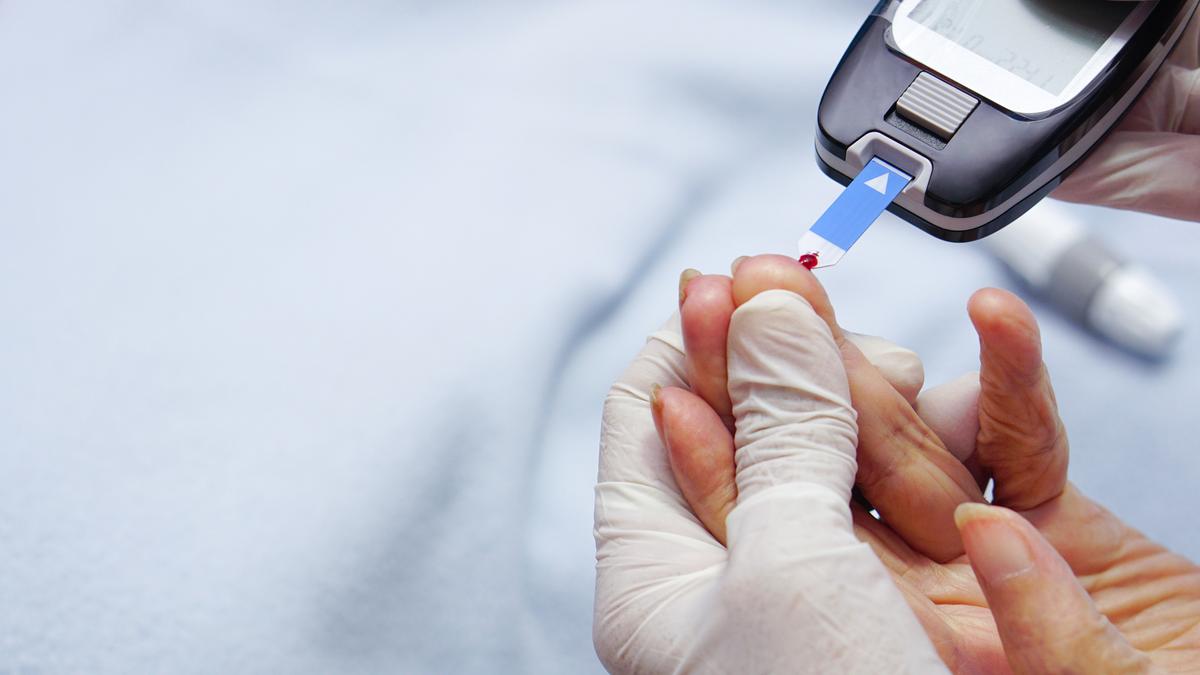
Chennai breathes far cleaner air than Delhi. A study that followed 12,064 adults in the two cities put the typical yearly level of fine particles around Chennai homes between 2010 and 2016 at 40.2 micrograms per cubic metre, just above the national standard of 40, against 101.5 in Delhi. In both cities, the dirtier a person’s air, the likelier they were to develop type 2 diabetes.The World Health Organization’s theme for World Diabetes Day, on November 14 this year, is early action. The sixth National Family Health Survey (NFHS-6), carried out in 2023-24, found 17.8% of women and 20.9% of men aged 15 and above had high blood sugar or were on medicine for it, up from 13.5% and 15.6% per cent in NFHS-5, conducted in 2019-21. In Chennai district, nearly 3 in 10 women fall in the group.That said, there are limitations to this data: NFHS teams prick a finger at whatever hour they visit, so people may or may not have eaten, and a reading above 140 milligrams per decilitre counts as high. One such reading cannot diagnose diabetes. However, what is most routinely blamed for the rising burden of diabetes in the country -- and it is rising -- are weight and diet. And while these are significant factors, dirty air is rarely blamed. Perhaps it’s time it is. The outdoor evidenceSiddhartha Mandal of the Centre for Chronic Disease Control in New Delhi and his colleagues used satellite and weather data to estimate daily levels of fine particles, called PM2.5, near each participant’s home.Over a median of almost five years, 743 people developed type 2 diabetes. Each extra 10 micrograms in a person’s yearly average accounted for a 22% higher risk, after the researchers allowed for age, socio-economic status, tobacco and alcohol use, diet and exercise. Studies in richer, cleaner countries have put the rise at 7 to 11%. A 2024 global review of 46 studies also linked PM2.5 and the coarser PM10 to type 2 diabetes. Its authors point mainly to inflammation and oxidative stress (damage from reactive oxygen), which blunt the body’s response to insulin, the hormone that moves sugar into cells. The Global Burden of Disease project puts about a fifth of the healthy years lost worldwide to type 2 diabetes in 2019 down to PM2.5, about 14% from outdoor air and 6% from household smoke.Smoke in the kitchenBetween 2018 and 2021, researchers from the Madras Diabetes Research Foundation tested adults in 30 villages of Cheyyur taluk in Chengalpattu district as part of a project called TREND.All but 208 of the 13,877 adults lived in homes cooking on traditional fuels such as firewood or kerosene. Diabetes was more common among them, 14.2% against 12%, and more common still, 16.5%, in homes without a separate kitchen. Among women, traditional fuel use was linked with 80% higher odds of diabetes of diabetes, after the researchers allowed for age, weight, family history, education and income.One round of testing, however, cannot prove what causes diabetes, and the group using clean fuel was small. Even so, a 2022 review of nine studies with 45,620 people found that those who cooked with solid fuels had 46% higher odds of diabetes. However, in homes that burned only biomass like wood or dung, the link was too weak to be certain.Short of gas, short of dataThe NFHS used to report cooking fuel and blood sugar from the same homes. Clean fuel, mostly LPG, reached 58.6% of homes in 2019-21, up from 43.8% in 2015-16, as the Pradhan Mantri Ujjwala Yojana distributed connections. Even at that pace, about 3 homes in 10, mostly in villages, would still have cooked on fuels such as wood, dung and kerosene by 2023-24. The NFHS-6 fact sheets, released on May 29, leave this figure out. The Health Ministry has said this, and other missing statistics are being monitored through dedicated national surveys and administrative databases; however these other surveys do not take blood samples, leaving possible connections unable to be made. Much of India’s LPG comes from abroad. About 90% of those imports pass through the Strait of Hormuz, which the West Asia war choked in early March, leading to shortfalls across the country. Poor homes, though, used little gas even before the war. The average Ujjwala household bought 4.71 cylinders in 2025-26, and about one in seven in Bihar bought none, the Petroleum Ministry told the Lok Sabha. The ministry has since cut subsidised refills from nine a year to four, about half of what a family cooking only on gas needs, as per figures cited by think tank, the Council on Energy, Environment and Water (CEEW). Every return to the wood stove brings back smoke tied to diabetes, and even a month of dirtier air nudged up blood sugar in the Delhi and Chennai study, a worry for anyone already living with the disease. As long as India’s kitchens depend on imported gas, the next war or blockade can push them back to wood, and more people towards diabetes.The Kerala puzzleIf dirty air alone drove the numbers, the least polluted States would sit at the bottom of the survey’s tables. A satellite study of 2024 pollution by independent research organisation, the Centre for Research on Energy and Clean Air (CREA), put Kerala among the seven States and Union Territories with the cleanest air. Yet Kerala has the highest share of women with high blood sugar of any State or Union Territory, 28.9%, according to NFHS-6. Meghalaya, where CREA found every district above the national pollution standard outside the monsoon, has the lowest of any State, 7.1%. Kerala also has the oldest population of any State, and diabetes grows more common with age. This complicates the picture.What could help, would be more data, and long-term studies that could tease apart the effects of air, with those of age, weight, diet and access to doctors, of the same people. The NFHS, though, could provide answers sooner than any new study. The Health Ministry has said that a more detailed NFHS-6 national report will be released, though it is not clear if this will include cooking fuel numbers. If the report and household data include cooking fuel, researchers could compare blood sugar in homes using wood and gas, taking age and weight into account, and use data from before the shortage as a baseline. The Petroleum Ministry already tracks Ujjwala refills by State, and could publish this information monthly for every district.It remains to be seen, however, if the data will materialise. Until then, India remains the country with the highest burden of diabetes, and one of the highest levels of air pollution.(Dr Margubur Rahaman is a public health researcher at MAMTA Health Institute for Mother and Child, New Delhi. margubur48@gmail.com; Ankit Mishra is an ICSSR Doctoral Fellow at the Govind Ballabh Pant Social Science Institute, Prayagraj. ankitmishrakoraon@gmail.com)
What polluted air adds to India’s rising blood sugar
Full Article
Original Source
Read the full article at Thehindu →KhanList aggregates and links to publicly available news content. We do not host full articles from third-party sources. Always verify important information with original sources.