
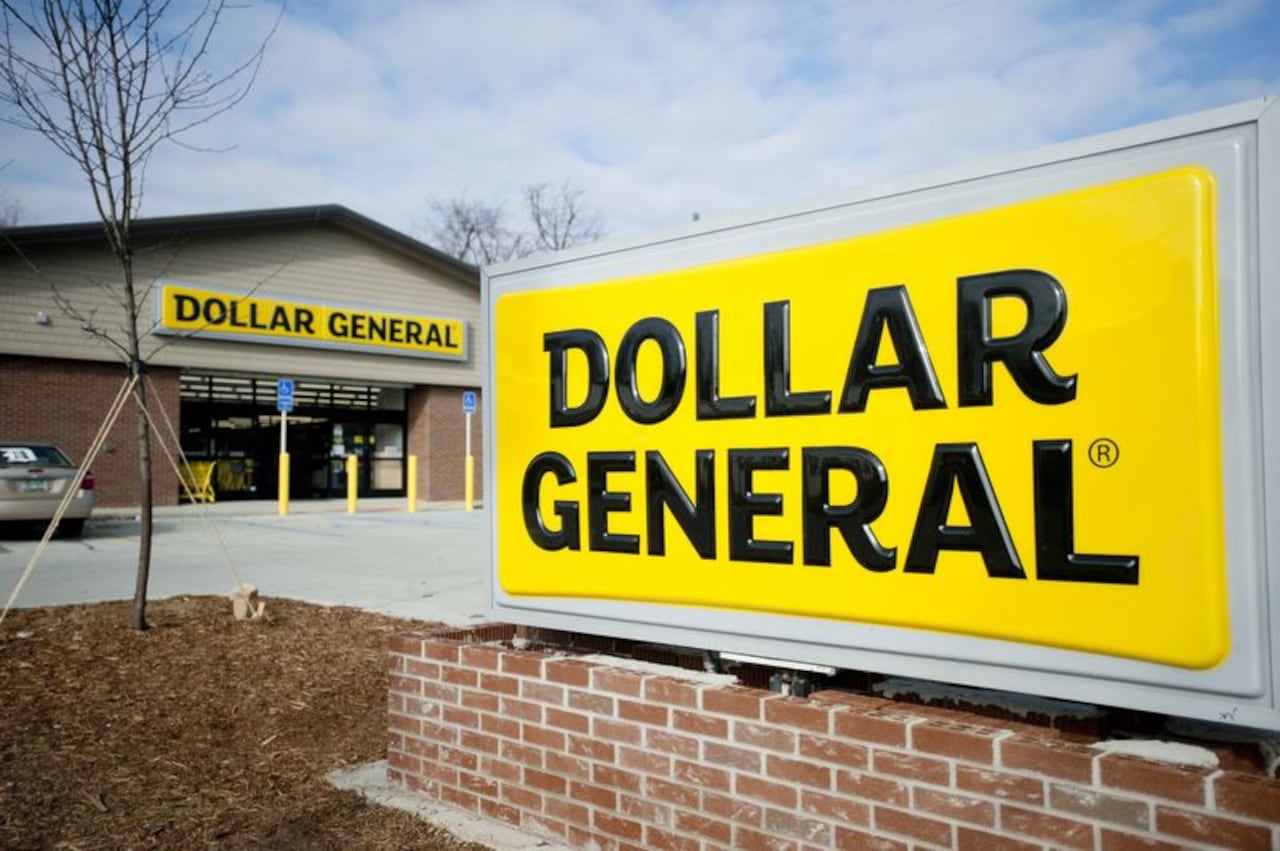
MetroOhio’s Dollar General settlement required price fixes and checks every 45 daysOhio Attorney General Dave Yost filed a consumer protection lawsuit on Tuesday, Nov. 1, against Dollar General. (Abbey Oldham, MLive.com)MLive Media GroupBy Michael Johnson, cleveland.comcleveland.com Express DeskCLEVELAND, Ohio — Dollar General’s 2023 settlement with Ohio required employees to address customers’ price complaints, company policies calling for price checks at least every 45 days and additional reporting after qualifying repeat inspection failures.The consent judgment filed Sept. 8, 2023, spelled out how employees had to respond when a customer challenged a checkout price that exceeded the shelf price. It also established steps for preventing, correcting and reporting pricing discrepancies at Ohio stores.The judgment resolved Ohio’s 2022 pricing lawsuit and required $1 million in payments, along with those safeguards.Those requirements predate the new federal and multistate pricing lawsuit that Ohio joined. Filed Oct. 26, the new complaint alleges customers were charged more than advertised, including in Ohio after the settlement. Those allegations remain unproven and do not establish a settlement violation.Dollar General denied liability in the earlier agreement. In its response to the new lawsuit, the company said employees are expected to correct discrepancies, its pricing processes have improved, and it will defend the case.What happens when a customer challenges a priceUnder the judgment, an employee has two options when a customer says an item’s checkout price is higher than its shelf price. The rule covers items the customer is buying or has already purchased.The employee must either adjust the price to the amount the customer identifies or check the shelf and adjust it to the verified shelf price.No adjustment is required if proof shows the shelf price is the same as or higher than the checkout price. And when two shelf prices appear for the same item, the lower one applies.The agreement also requires a policy directing stores to fix the discrepancy with an updated shelf tag within 24 hours after such a customer price adjustment.The company must train new employees and existing employees who haven’t already been trained on handling those complaints and correcting discrepancies. Stores must post notices explaining the adjustment policy at the main customer entrance or at each register.The new federal complaint includes an allegation involving that process: An Ohio customer reported in February 2025 that eggs marked at $5.10 rang up at $6.35 and the cashier did not address the discrepancy.Price checks and repeat inspection failuresThe judgment requires enough employee coverage to update shelf tags. It also requires weekly records showing that each Ohio store received and printed updated tags and that an employee used reasonable efforts to put them in place.A required company policy calls for district managers to check at least 25 randomly selected items at each Ohio store at least every 45 days.If more than two prices don’t match, the district manager must discuss the problem with the store manager. More than five mismatches require notification of a designated corporate official. Shelf prices identified in those checks must be brought into agreement with checkout prices within 24 hours.Another required company policy directs county-auditor inspection reports to the designated corporate official within 48 hours of receipt.A store must undergo a full-store review after receiving three consecutive county-auditor reports within a six-month span, each showing discrepancies on more than 2% of inspected products. Both overcharges and undercharges count toward that threshold.The store must finish the assessment, checking every shelf tag, within seven days after receiving the third qualifying report.Within five business days after the assessment, a district manager or higher-ranking official must provide the Ohio attorney general with a sworn statement or declaration under penalty of perjury. It must give the report-receipt and assessment dates and summarize what was done to correct problems.How the judgment set the time limitsThe 2023 judgment set a four-year term for most obligations, extending into September 2027, and made the prohibition on unfair, deceptive or unconscionable practices permanent.A separate provision gave the attorney general two years to request records created under the judgment, generally requiring Dollar General to produce them within 14 days of a request. Under the judgment’s stated timetable, that request period extended into September 2025.The provision expressly excluded the sworn reports required after qualifying repeat inspection failures.Only the attorney general can enforce this judgment, and the agreement preserves Butler County Common Pleas Court’s authority to hear enforcement actions. If the attorney general prevails, Dollar General must pay related enforcement costs, including reasonable attorney fees and investigative costs.The judgment also preserves the existing powers and remedies of the Ohio Department of Agriculture and county or city auditors.Michael Johnson brings nearly four decades of newspaper experience in reporting, editing, newsroom leadership, page design and digital publishing. He has led daily and weekly newsrooms in Pennsylvania,...
What Ohio’s Dollar General settlement required when prices didn’t match
Full Article
Original Source
Read the full article at Cleveland →KhanList aggregates and links to publicly available news content. We do not host full articles from third-party sources. Always verify important information with original sources.