
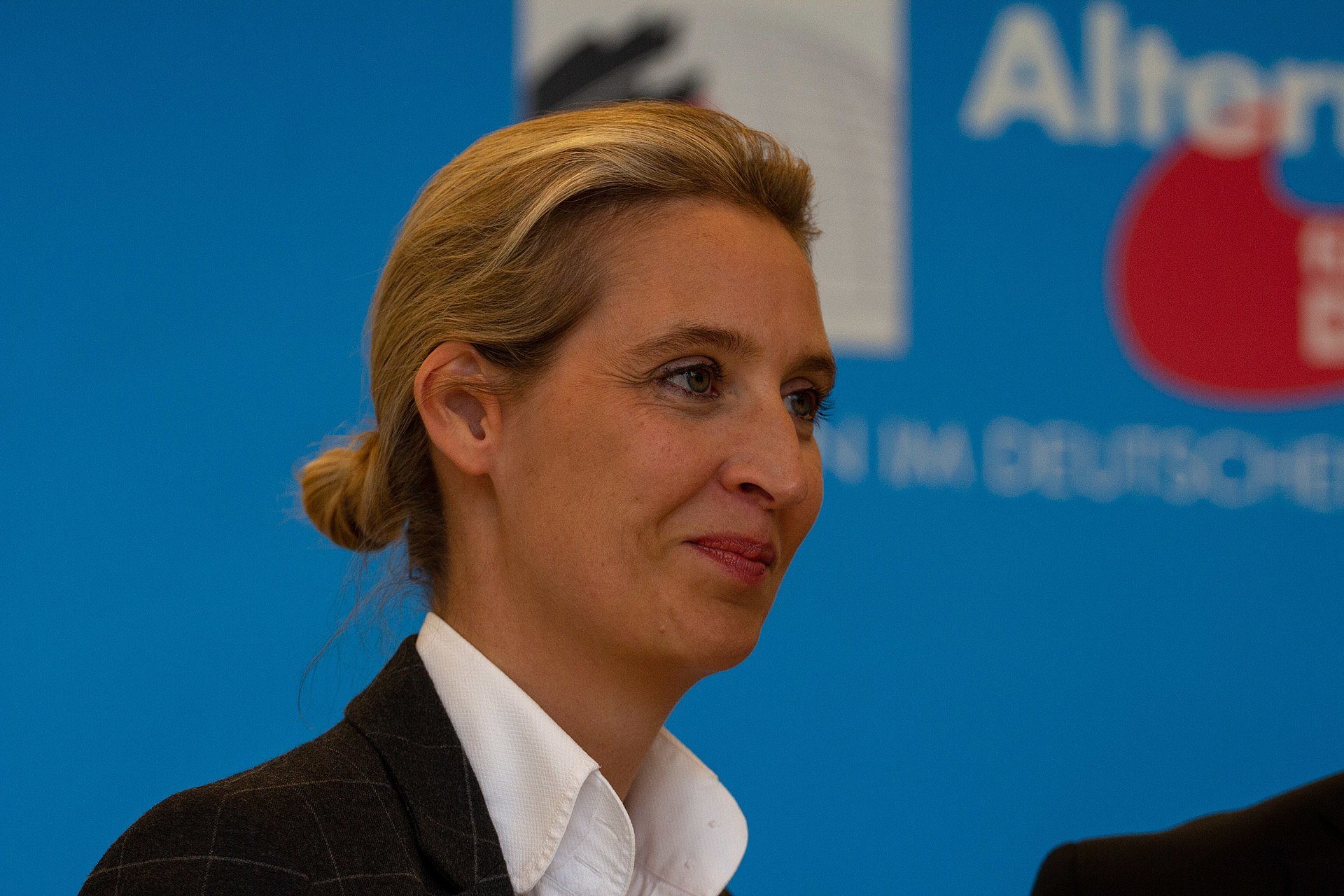
It’s been an early Christmas for Europe’s centre-left, watching even the most unshakeable populists stumble. Viktor Orbán’s defeat in April sent shockwaves through Europe after 16 years of entrenched cronyism, while Serbia followed hot on the heels of this October, reminding leaders that clinging to power is not the same as keeping the vote. And just when the drama seemed to subside, American voters, fed up with soaring prices, showed that the fury that lifts politicians to power can just as swiftly sweep them away. Should Brussels’ centre-left pop the champagne? Not so fast. The trouble with celebrating populists’ downfall is that the grievances that put them in office are still simmering. Alice Weidel in Germany and Marine Le Pen in France, for one, seem to have read the room. ‘Frexit’ and the single currency Putting reform before withdrawal is no small thing. Le Pen has already ditched Frexit, while Weidel’s AfD is reconsidering its longstanding hostility to the euro. These are not merely plans to trim ‘Brussels bureaucracy’; they strike at the question of who gets the final say in Europe. For Germany’s export-dependent economy, leaving Europe’s single market and common currency could carry an uncomfortable price tag (€690bn). Rather, Weidel has baked into her proposed major reform of Germany’s role in the EU a shift from, in her words, its current paymaster role to one which reinforces German sovereignty. Weidel has even put a timetable on the ambition. Her party's roadmap envisages reducing EU powers under existing rules within three years, pursuing treaty reform within seven, and using Germany's budgetary leverage along the way. Hot on her heels, Le Pen is looking towards national elections across Europe to build a coalition of like-minded governments. Both appear to recognise that power in Brussels can begin with power at home. And with populist parties gaining influence across the continent, changing the EU from within may offer more political leverage than another Brexit season. Who holds the purse strings? The timing of Le Pen and Weidel’s rise could hardly be more uncomfortable. As the EU hammers out its nearly €2 trillion 2028–2034 budget, it is juggling the costly business of backing Ukraine, beefing up defence, and answering demands to spend more at home. For Le Pen and Weidel, Brussels' budgetary nightmare could be the ideal stage to show who should really control the purse strings. Enter Le Pen, stage right. If in power following the 2027 French elections, Le Pen wants to slash France's EU contributions while simultaneously demanding the return of €2.2bn annually in customs duties collected at French borders. Yet France is also a major beneficiary of EU agricultural funding. Cutting Brussels' contributions could therefore raise awkward questions about who picks up the bill for French farmers. A September 2026 German Council on Foreign Relations study warns that a future French government could exploit the national ratification process to obstruct the EU's revenue arrangements, even after a painstaking budget agreement. Even if Brussels manages to hammer out a deal before French voters have their say, the squabble over who foots the bill is unlikely to vanish. The EU’s revenue rules still demand a chorus of unanimous approval and a round of national rubber-stamping, which could hand a future French government a fresh bargaining chip long after the ink dries on any spending pact. Brussels still faces the headache of actually securing the cash, with nationalist parties like AfD threatening to, if in power, block decisions until their demands are met. Crowded calendar for 2027 And Brussels has already spotted the storm. Emmanuel Macron has urged EU leaders to reach a budget agreement before the year is out, warning that Europe's crowded 2027 election calendar could make negotiations considerably harder. But rushing through a deal does not guarantee it will put the matter to bed. Even after governments agree on spending, a future French administration could still challenge the arrangements for financing it. And while Weidel's AfD remains outside Germany's government, its proposed roadmap offers a glimpse of how the country's financial weight might be used to demand wider institutional changes. The warning for Brussels is clear: the next Eurosceptic challenge may not come from those threatening to storm out, but from those determined to stay and rewrite the rulebook.
What Marine Le Pen and Alice Weidel are planning for Brussels
Full Article
Original Source
Read the full article at Euobserver →KhanList aggregates and links to publicly available news content. We do not host full articles from third-party sources. Always verify important information with original sources.