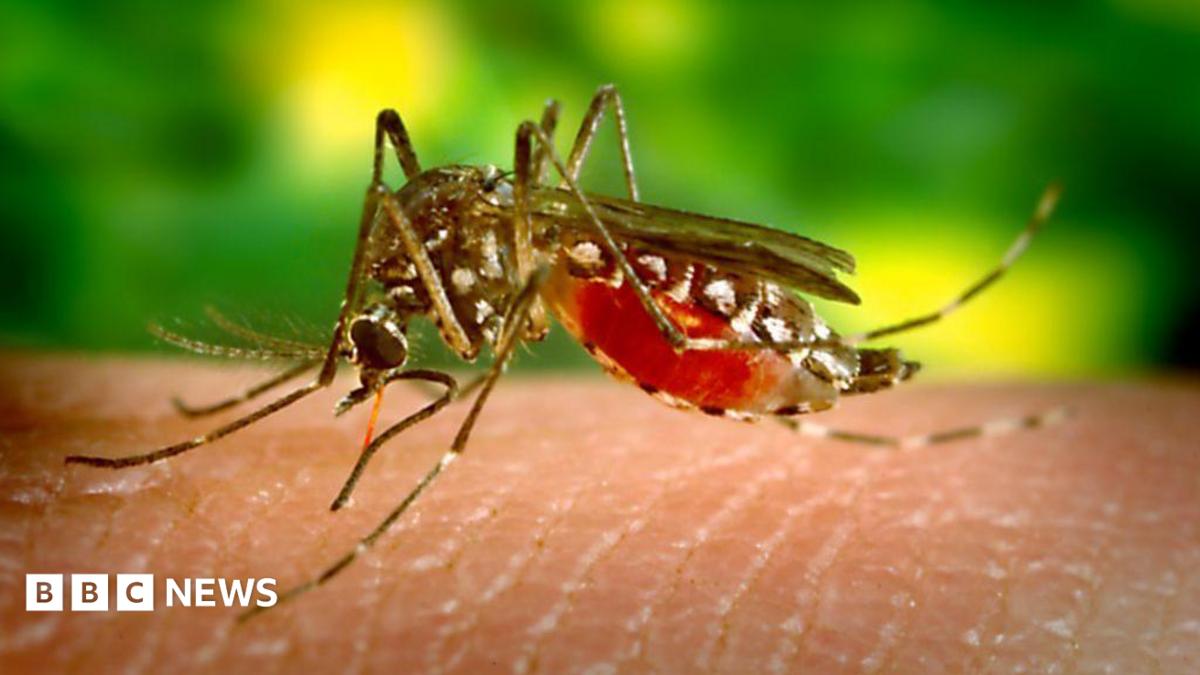
Dengue is a viral fever caused by the dengue virus, which is transmitted to humans through the bite of infected Aedes mosquitoes.These mosquitoes breed in stagnant water like pails, vases and flowerpot plates. They are most active during daylight hours and usually bite just after sunrise and around sunset.Many people who get dengue do not develop symptoms. For those who do, the most common symptoms include high fever, headache, muscle and joint pains, nausea and rashes. These usually resolve within a week or two.In severe cases, however, dengue can lead to internal bleeding or even death.Those who get infected a second time are at a greater risk of severe dengue.There are four strains of the dengue virus and healing from one would only protect you from that specific strain, says Kapila Kannangara, director of Sri Lanka's Dengue Control Unit."That immunity does not extend to other strains of the virus. That means someone infected by one strain of the virus could still get dengue again if infected by a mosquito carrying another strain.""This could mean that they get an even more serious infection," he tells BBC Sinhala.As there is no universal vaccine for dengue, treatment often involves managing pain with medication such as paracetamol. Patients who develop severe symptoms would often require careful monitoring in hospital, as complications can be lethal.Sri Lanka's health authorities attribute the surge in dengue infections to a cyclone that tore through the island last December, scattering debris that have turned into new breeding grounds for mosquitoes.The government has tasked the military to use drones to scan the rooftops of homes, schools and construction sites, and deployed police officers to go to people's homes for physical inspections, Nearly 11,000 mosquito breeding sites have been cleared so far this month, while more than 4,000 premises fined for harbouring those sites. Although infections have been reported across the country, they tend to concentrate in urban areas, such as in the capital city Colombo.Hospitals have added beds and extended work hours to cope with the outbreak, and public health workers are "stretched to their limit", Kannangara from the National Dengue Control Unit tells Reuters news agency."The number of patients is high, and the severity of the cases is high," he says, noting that about 75% of the cases were linked to the more virulent dengue strain.Capacity constraints have prompted doctors to advise patients with mild symptoms to rest and recover at home.Authorities are also considering a dengue vaccine, but health experts have suggested that it would be hard to develop such a vaccine given the four distinct strains of the virus.
What is the mosquito-borne disease Sri Lanka is using drones to fight?
Full Article
Original Source
Read the full article at Bbc →KhanList aggregates and links to publicly available news content. We do not host full articles from third-party sources. Always verify important information with original sources.