
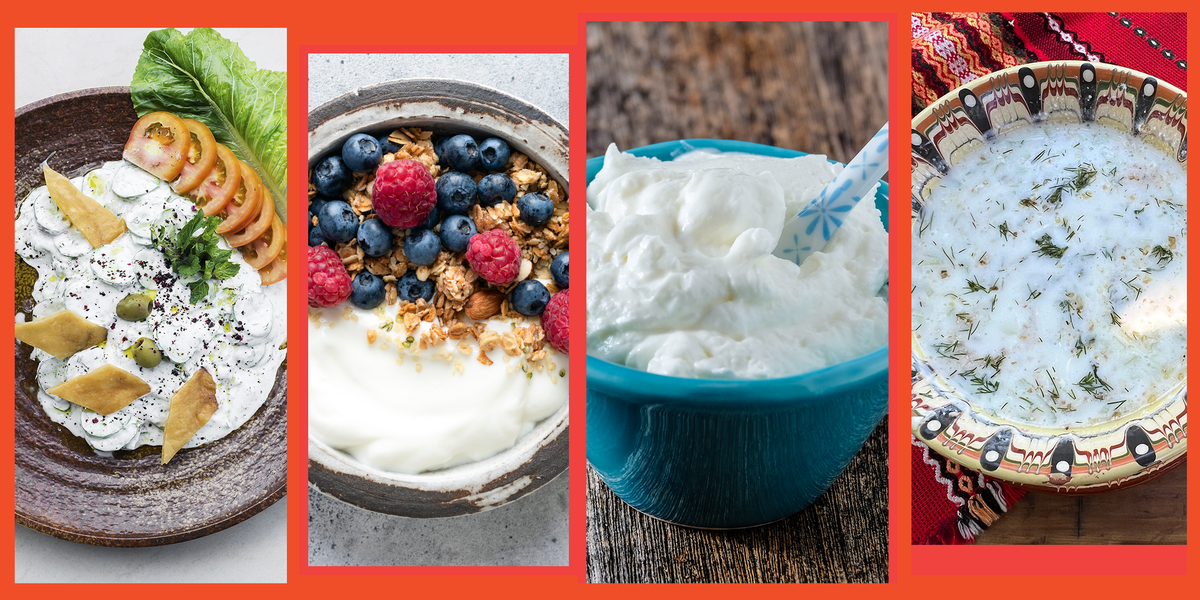
4 min readEVERYBODY LOVE YOGURT. Okay, maybe not everyone, but there's a reason yogurt has been a dietary staple in dozens of countries for centuries. Yogurt doesn't spoil as fast as milk, yet still delivers milk's nutrients—protein, calcium, potassium, magnesium—without the same risk of, um, certain GI issues."Most of the world is lactose intolerant and has been for thousands and thousands of years," says Robert Hutkins, PhD, a professor of food microbiology at the University of Nebraska. "Humans figured out that even if they were lactose intolerant, they could still consume cultured milks because the culture helps degrade the lactose before it gets to the colon and gets fermented by gas-producing microbes."Whether you need help digesting lactose or not, the latest research suggests that yogurt has wide-ranging benefits, from enhancing gut health to improving blood sugar control to maybe even reducing your risk of an early death.From Europe to Asia to Africa, all yogurt starts with the same basic ingredients: milk and good bacteria. But no two types are exactly alike. Here's what to know before your next grocery run.Greek yogurtTraditional Greek yogurt is strained through a cheesecloth to remove excess fluid. Yogurt factories use centrifuges or special filters instead. What's left behind is a thick, smooth yogurt with a slightly acidic flavor and a concentrated source of nutrients, including about 18 grams of protein per 6-ounce container.Some food makers add thickeners as a shortcut, so check the label for a simple ingredient list of milk, cream, and yogurt cultures. "The products with thickeners added have a different texture, a little bit more gumminess," says Molly Kimball, RD, CSSD, a dietitian based in Louisiana. Swap in Greek yogurt for sour cream or mayo, or stir it into guacamole—the lactic acid slows down the oxidation that turns avocados brown.Icelandic skyrTechnically considered a soft cheese, skyr is strained like Greek yogurt to produce something firm yet creamy. It's usually made with skim milk, yielding yogurt with slightly more protein than Greek yogurt: about 19 grams of protein per 6 ounces. Use skyr to make dips hearty enough to stand up to cut vegetables (or chips). Or stir it into bolognese to impart a velvety texture and an extra boost of protein.Bulgarian yogurtThis yogurt variety isn't strained, so it has a thinner texture and less protein than its Greek or Icelandic cousins: about 6 grams per 6 ounces. Traditional Bulgarian yogurt gets its signature sharp flavor from high concentrations of the aptly named Lactobacillus Bulgaricus bacteria, which produce lactic acid. Kimball recommends blending Bulgarian yogurt into smoothies to add a tanginess that counterbalances sweeter ingredients.French-style yogurtMost yogurts are fermented in large vats. As yogurt bacteria digest milk, they produce a wide variety of metabolites, including gel-like substances called exopolysaccharides. Then the yogurt is pumped into the smaller containers we snag at the grocery store.With French-style yogurt, the milk and bacterial cultures are poured into cups earlier, before the microbes multiply. "That gives you a more custardy product because it hasn't gone through this pumping phase that disturbs the gel," says Hutkins. Inside a 6-ounce cup of French-style yogurt, you'll find about 5 grams of protein. To try it the French way, eat your yogurt for dessert, alone or paired with a little honey or jam.Russian kefirThis tangy, thin, pourable yogurt is fermented with kefir grains–gelatinous clusters that contain milk proteins and up to 50 bacterial and yeast species. During fermentation, these yeasts can leave behind traces of alcohol and carbon dioxide, or fizz. However, many mass-produced kefirs use standardized starter cultures instead to maintain consistent product quality and keep the alcohol concentration low enough to sell in grocery stores.Kimball suggests drinking plain kefir, Russian or otherwise. It packs about 8 grams of protein per cup. If you can't handle the sour flavor, balance it with a teaspoon or less of maple syrup or a few drops of stevia or monk fruit. If you want a flavored variety, pick one with no more than 5 grams of added sugar.Indian dahiSweet and mildly acidic, dahi is the key ingredient in Indian staples like lassi–a yogurt drink often flavored with mango, spices, or rosewater–and raita, the sauce that cools your mouth when you order your vindaloo extra hot. Some dahi varieties contain Leuconostoc, bacteria that produce a metabolite called diacetyl that imparts a buttery flavor. Each six-ounce serving of dahi packs about 7 grams of protein.Middle Eastern labanDrinkable like kefir, laban is sour but smooth and contains about 5 grams of protein per six ounces. Strain it in a colander or cheesecloth to make labneh, a thick, soft, yogurt-like cheese traditionally smeared on sandwiches and stacked on mezze platters.South African AmasiThis drinkable yogurt is often thicker than fermented milk beverages. Its mix of cultures, which hail mostly from the Lactobacillusgenus, imparts a moderately acidic flavor with subtle buttery notes. Amasi packs about 6 grams of protein per six ounces. It's traditionally eaten with maize or sorghum porridge, especially at breakfast.Julie Stewart is a writer and content strategist whose work has also appeared in Health, and Women’s Health, Everyday Health, Vice, and Shape.
What Is the Best Type of Yogurt? We Narrowed It Down to the World’s 8 Healthiest.
Full Article
Original Source
Read the full article at Menshealth →KhanList aggregates and links to publicly available news content. We do not host full articles from third-party sources. Always verify important information with original sources.