
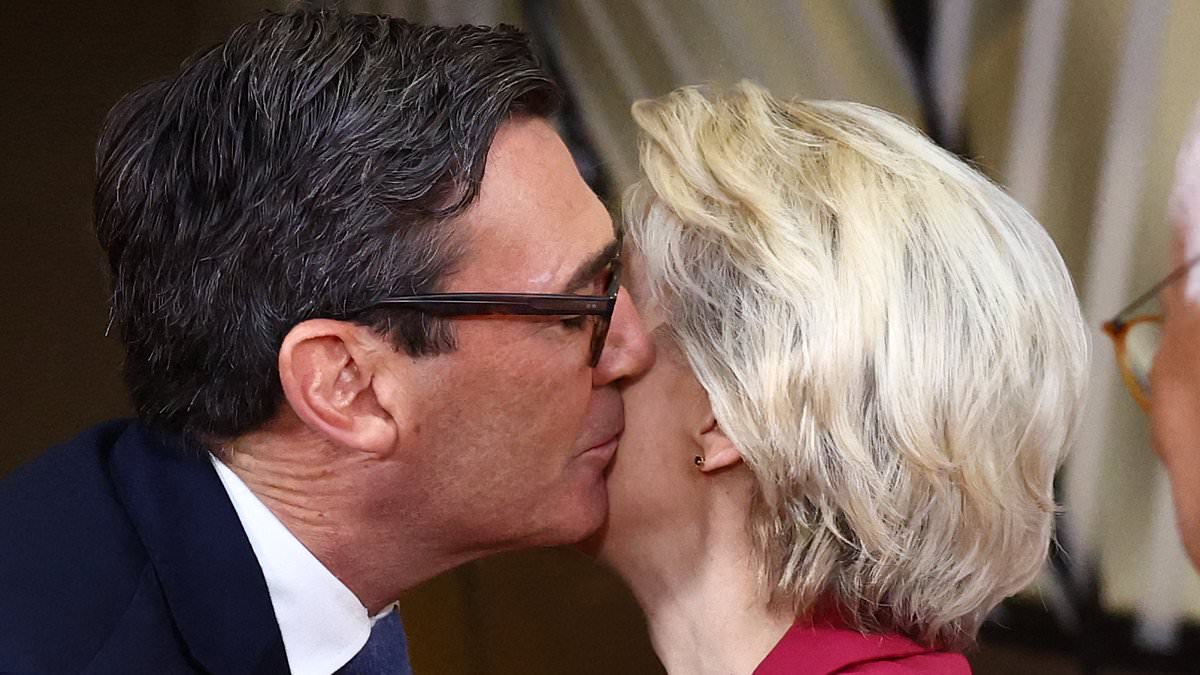
Andy Burnham's deal represents the biggest shift in Britain's relationship with the EU since Brexit.But it also involves huge compromise: signing up to rules we will have no vote on, and allowing the freedom of movement of 100,000 young Europeans who will be able to move to the UK.Here are the details of some of the main areas of the agreement – and the sticking points that could yet derail it.FOOD AND DRINKThe deal will end most post-Brexit red tape on food and agriculture – but only in exchange for the UK following some EU laws.It would allow producers to export sausages to the EU again from 2028 if implemented, and has been roundly welcomed by supermarkets. Mr Burnham has said it will 'cut costs'.But it comes at the price of accepting some EU regulations, making the UK a 'rule-taker'. The UK will have an advisory role on future food and drinks rules, but no voting rights.Ministers have said that British experts will be 'in the room' when regulations are decided.YOUTH EXPERIENCEThe 'youth experience scheme' will allow 100,000 EU citizens aged 18-31 to live and work in the UK for up to three years – with the same deal applying to 100,000 British citizens who wish to go to Europe. British Prime Minister is pictured with European Commission President Ursula von der Leyen and European Council President Antonio Costa in Brussels Mr Burnham kisses Ms der Leyen on the cheek as he arrives at the EU Council for a EU-UK Summit on November 20This was the upper figure the EU was seeking, with the UK keen to keep numbers around 80,000.Mr Burnham said it was a deal for young people which would allow them to work, volunteer, study or travel in other countries.But it comes just days after a report highlighted the jobs crisis for younger generations, with critics arguing that the scheme would make it harder for young Britons to find work.The scheme has a January 2030 target start date and participants will need to pay an access fee and won't be able to claim benefits or bring family.Welcoming the plan, Ursula von der Leyen, the president of the European Commission, said the young people of the UK and EU would be 'the best ambassadors for our friendship'.TUITION FEESThis was the sticking point that nearly scuppered the deal – and may still do so.While the UK insisted that the overall agreement is concluded, the EU has suggested that it will be contingent on a deal being reached on tuition fees.The EU wants its students to pay the same rate as their British counterparts – a cut from fees of up to £38,000 a year to £9,970.The UK has resisted this because of the financial impact it would have on universities, which has been put at nearly £500million.Universities have warned against the move, with the Russell Group – representing 24 leading universities across the UK – saying it would put pressure on student places and take money out of higher education.A six-month deadline has been set to reach an agreement. Ms von der Leyen said she was 'confident' the EU and the UK would find common ground.IMMIGRATIONThe two sides have agreed to collaborate and share more data to tackle migrant-smuggling and human-trafficking.They announced a new 'structured dialogue' which will commit the UK and the EU to work together to prevent dangerous boat crossings.However, while the joint statement said there would be 'deepened cooperation' on stopping illegal migration, there was no concrete outcome.MADE IN EUROPEThe Prime Minister wanted assurances that the EU's Made in Europe scheme would not harm British industries.The protectionist policy is intended to limit China's growing influence on the European car industry, but the Government fears that Britain's car, steel and aluminium sectors would also be affected.Yesterday UK negotiators were only able to secure warm words about the need to protect each other'ssupply chains. Government officials said they had won an agreement in principle and the Prime Minister claimed the language avoided any negative effects on UK industry.ELECTRICITYThe PM has agreed that Britain will make financial contributions to fund poorer European regions in return for access to the EU's internal electricity market.During earlier negotiations over the EU's electricity market, Labour agreed in December 2025 that any deal would cover 'both the wholesale and retail markets' and would include accepting 'dynamic alignment' with Brussels' rules.It was not expected that a final agreement would be reached on the UK joining the EU's electricity markets yesterday and further negotiations about how it will work and how much Britain will pay in will continue, with both sides agreeing to conclude a deal in 2027.EMISSIONS TRADINGBritain and the EU yesterday agreed to link their emissions trading systems (ETS), which set a cap on the amount of emissions an industry can produce. It covers emissions from power generation, industry, aviation and shipping.An ETS creates 'carbon permits' for emissions, which companies must buy or hold for each tonne of CO2 they emit, meaning that industries pay for their pollution.Joining the two carbon markets would mean an emissions allowance for a British firm could be used in the EU and vice versa.The Government argues it will mean £6.5billion of British exports will be exempted from EU carbon border taxes.However Conservative leader Kemi Badenoch argues that the carbon levies have harmed Britain's industries and has called for them to be removed completely.PET PASSPORTSThere was not a specific agreement on pet passports in the announcements from the summit yesterday.But the Government says the wider deal on food, plant and animal imports and exports also allows pet owners to obtain a multi-use pet passport valid for travel to the EU, making taking pets on holiday easier and cheaper.READ MORE: Burnham's Brexit betrayal: Naive Prime Minister hit with brutal ambush by EU that will cost Britain billionsREAD MORE: JASON GROVES ANALYSIS: How naive Andy Burnham walked straight into the EU trap
What is in Andy Burnham's much-disputed Brexit betrayal plan with the EU - and what is yet to be agreed?
Full Article
Original Source
Read the full article at Dailymail →KhanList aggregates and links to publicly available news content. We do not host full articles from third-party sources. Always verify important information with original sources.