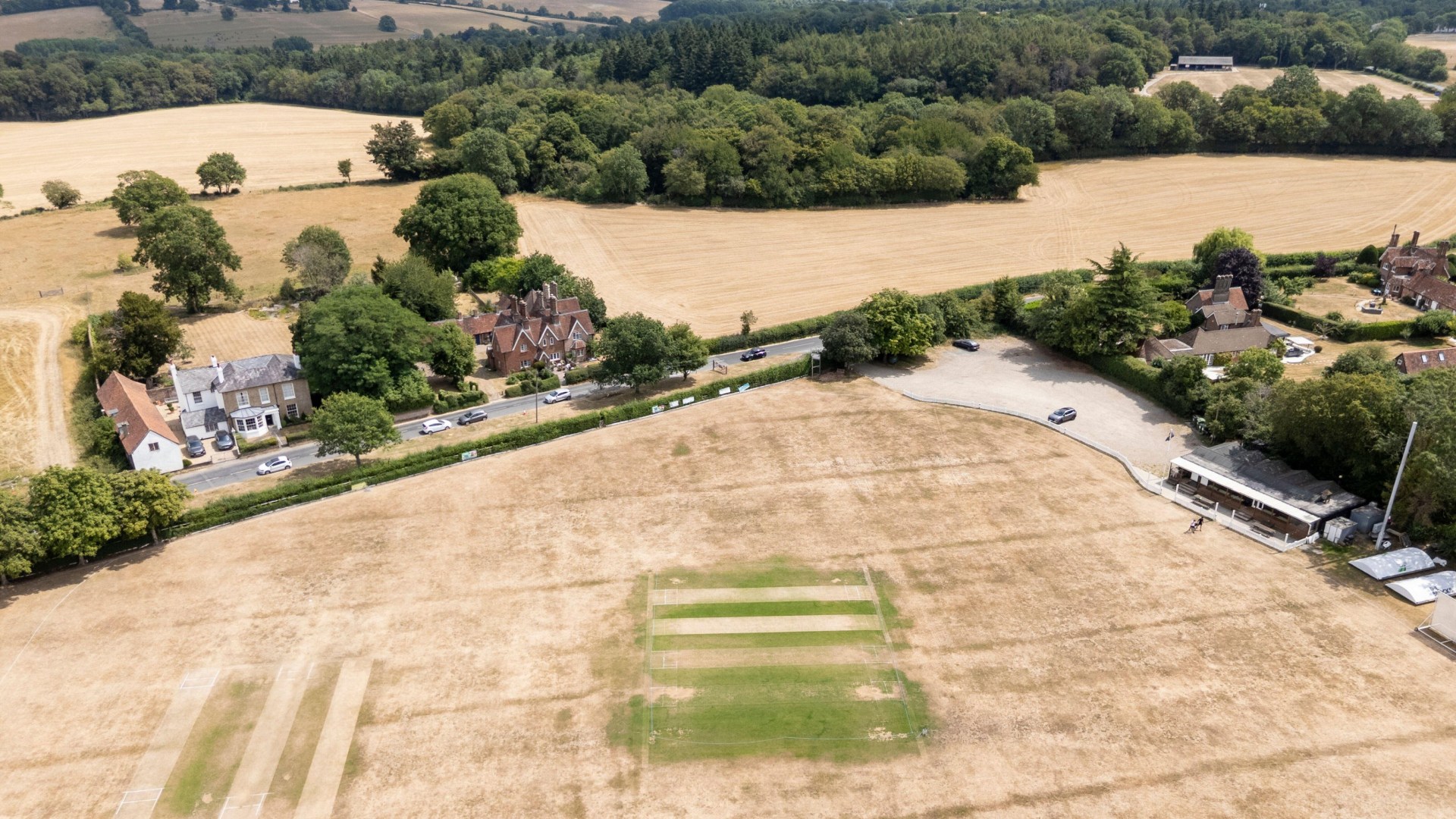
WITH millions of households already facing hosepipe bans, environmental authorities have declared drought status in parts of the UK. Here is everything you need to know about what a drought actually means, who gets to decide it, and if restrictions apply. A drought occurs when a prolonged period of low rainfall creates a shortage of water Credit: Getty Warmer summers mean droughts are becoming more common Credit: Getty What does drought actually mean in the UK? In simple terms, a drought occurs when a prolonged period of low rainfall creates a severe shortage of water affecting public supplies, farming, or nature. The last major drought declarations happened last year in August 2025, when parts of South East Wales and multiple regions in England were placed under drought status. Sign up for The Sun newsletter Thank you! Which criteria have to be met? Official drought status can only be triggered by the UK’s regional environmental watchdogs. These are the Environment Agency in England (advised by the National Drought Group), Natural Resources Wales in Wales, SEPA in Scotland, and NIEA in Northern Ireland. Unlike a heatwave – declared when an area tops a certain temperature threshold for three consecutive days – there is no single trigger to officially declare a drought. Agencies instead track key indicators like rainfall totals compared to monthly averages, river flows, reservoir capacities, and the frequency of wildfires. When a combination of these factors shows that the local environment is under severe stress, the watchdog officially moves an area from “prolonged dry weather” into “drought” status. Does it mean any new rules or restrictions? An official drought declaration by an environmental agency does not automatically trigger mandatory rules or turned-off taps for households. Most read in The Sun But the public is urged to save water to take pressure off local water sources. You are also advised to avoid open flames, BBQs, or campfires in dry countryside areas to prevent wildfires. Water utility companies may introduce consumer restrictions like hosepipe bans based on local reservoir stocks and consumer demand. Where has drought been declared? Official drought status has been declared in north Wales and the Upper Severn region following record-breaking dry spells and weeks without significant rain. The Welsh zones now in drought include Clwyd, Dee, North and South Gwynedd, Upper Severn, and Ynys Mon (Anglesey). Parts of north Wales have received less than 2% of their expected July rainfall, with many locations seeing no significant rain since July 6. Although rain is finally forecast for some areas of the UK this weekend, with Northern Ireland, northern England and north Wales expected to see around 5-10mm of showers. In England, large southern and eastern areas remain in prolonged dry weather status after receiving just 3% of average July rainfall. They include: Devon, Cornwall, and the Isles of Scilly East Anglia (including Norfolk, Suffolk, and the Cam & Ely Ouse catchments) Hertfordshire and London Lincolnshire and Northamptonshire Solent and South Downs (Hampshire, Isle of Wight, and Sussex) Thames (London, Thames Valley, and Home Counties) Wessex West Midlands Multiple hosepipe bans are already in place, impacting 23million customers. Comment now
What does drought actually mean? The definition explained and where in the UK it has been declared
Full Article
Original Source
Read the full article at Thesun →KhanList aggregates and links to publicly available news content. We do not host full articles from third-party sources. Always verify important information with original sources.