
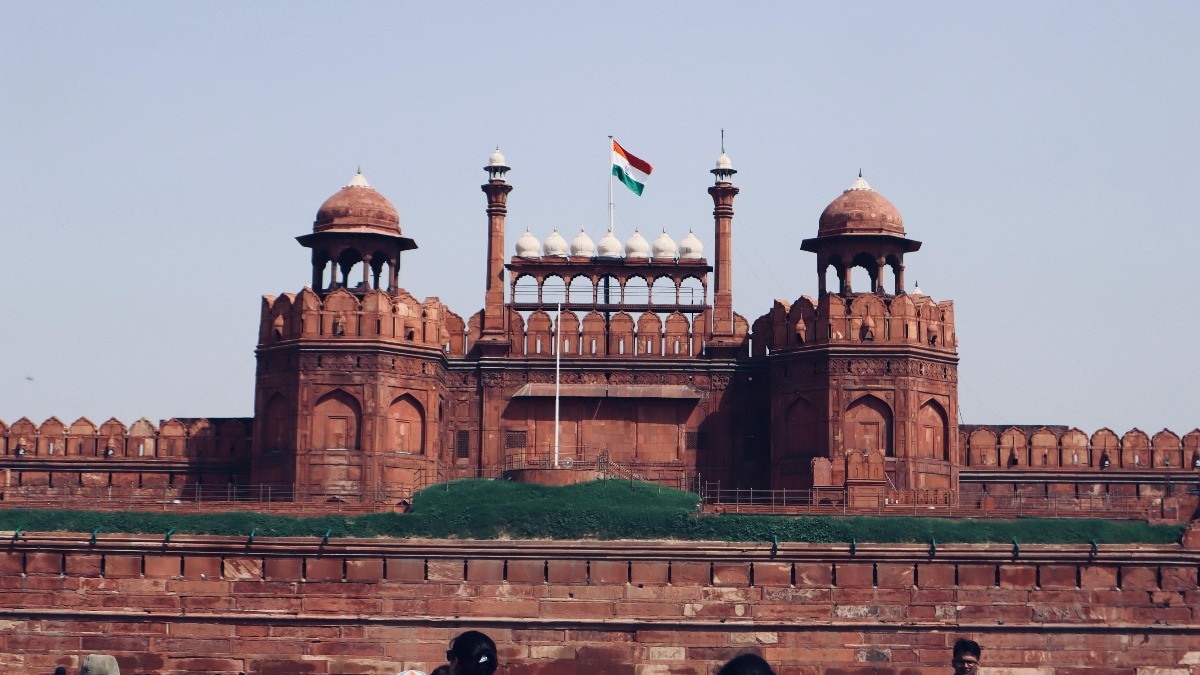
The Red Fort is now the centre of India's Independence Day celebrations, but after the Revolt of 1857, the historic monument went through a dramatic change as British forces took control of it.The Red Fort has a deep connection with India’s freedom struggle. After the 1857 revolt, the British took control of the fort and changed its use and appearance.Every August 15, the Red Fort becomes the centre of Independence Day celebrations in India, with the Prime Minister addressing the nation from its ramparts. But the monument has a far more complicated history than its present-day role suggests. Built by Mughal emperor Shah Jahan as part of Shahjahanabad, the Red Fort remained closely linked to Mughal power for nearly two centuries.That changed dramatically during and after the Revolt of 1857. Bahadur Shah Zafar, the last Mughal emperor, was captured after the uprising and later tried and exiled. The British took control of the Red Fort and transformed much of the complex.WHAT HAPPENED TO THE RED FORT AFTER 1857?The 1857 revolt marked a turning point for the Red Fort. Delhi became one of the major centres of the uprising, with Bahadur Shah Zafar becoming a symbolic figure for the rebels. British forces eventually recaptured the city in September 1857. Zafar was captured and later tried by the British before being sent into exile in Rangoon, where he died in 1862.With the Mughal emperor gone, the Red Fort lost its role as the seat of Mughal authority. BRITISH TURNED THE RED FORT INTO A GARRISONAfter suppressing the revolt, the British took control of the fort and used it as a military establishment. The change was not limited to its function. Several parts of the historic complex were demolished or substantially altered.Historical accounts say a large portion of the fort’s inner structures, including gardens, residential areas and other Mughal-era buildings, were removed. Barracks were also built inside the complex for military use.WHY DID THE BRITISH ALTER THE FORT? The changes were closely linked to the British decision to turn the Red Fort into a military base. The monument had been the heart of Mughal power in Delhi, so its transformation also marked the end of that political era.The revolt also brought a major change in the way India was governed. In 1858, the British Crown took direct control of India from the East India Company.RED FORT LATER BECAME A SYMBOL OF FREEDOMThe fort’s meaning changed again in the 20th century. In 1945, the famous Red Fort trials of officers of the Indian National Army were held there. The trials drew public attention and became an important episode in the final years of British rule.After independence, the Red Fort acquired an entirely new identity. It became the setting for the Prime Minister’s Independence Day address and the annual flag-hoisting tradition.Interestingly, historical records indicate that the first Independence Day flag-hoisting ceremony on August 15, 1947, did not take place at the Red Fort. The tradition associated with the fort was established soon afterwards.Today, the same fort that once symbolised Mughal authority and later stood under British military control has become one of the most recognisable symbols of independent India.- EndsPublished By: vaishnavi parasharPublished On: Aug 15, 2026 11:00 IST
What did the British use the Red Fort for after the Mughals?
Full Article
Original Source
Read the full article at Indiatoday →KhanList aggregates and links to publicly available news content. We do not host full articles from third-party sources. Always verify important information with original sources.