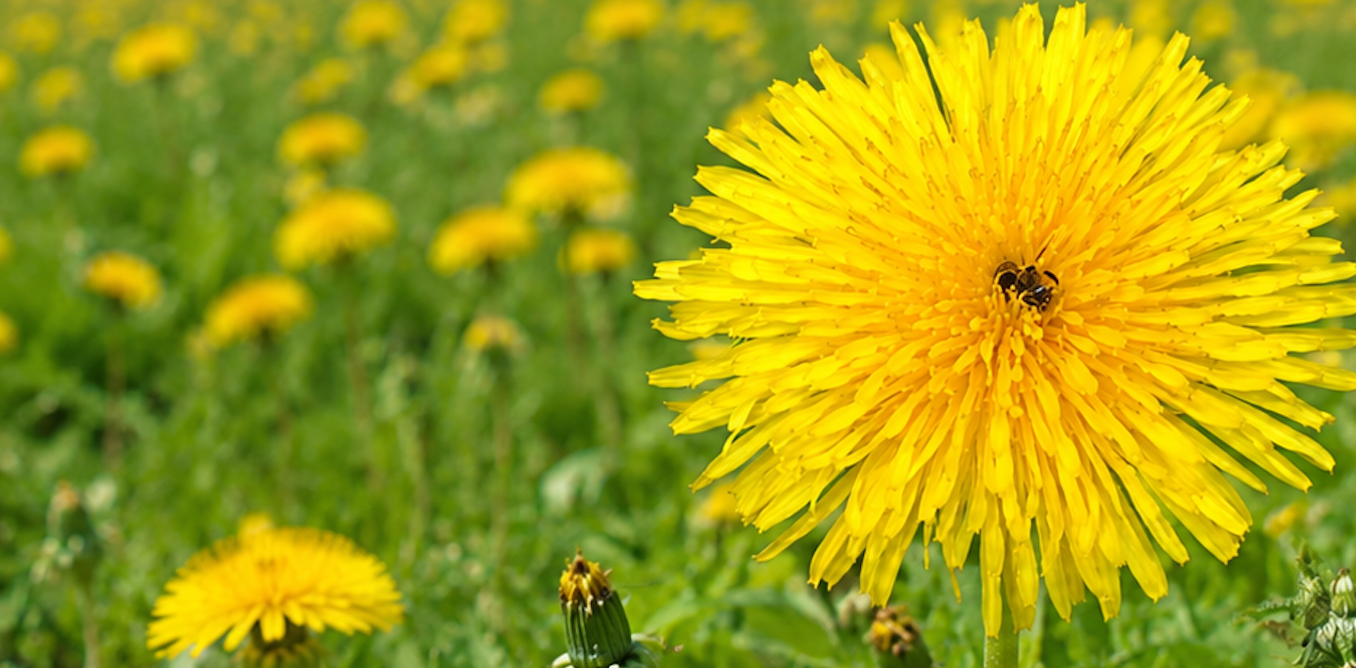
In spring, on the traditional and treaty lands of the Mississaugas of the Credit, young children, Anishinaabe storytellers and educators walk together with Aki (Land) and Nibi (Water). I’m a researcher and professor of early childhood and someone of French-Canadian and Hungarian descent living as a guest in Tkaronto/Toronto. I’m among the educators exploring children’s land-based learning in a children’s forest nature program in the Humber Arboretum, in the west Humber River Valley in the northwest part of Toronto. Outdoor and nature-based programs support children’s connections with the natural world and the development of ecological awareness. Yet, my early experiences engaging with outdoor learning — in conjunction with the TRC’s Calls to Action related to fostering respect for Indigenous knowledge and worldviews among all students, and developing culturally appropriate early childhood education programs for Indigenous families — suggested another possibility. What if outdoor play also helps children learn how to live in kinship with the natural world? Read more: Children make connections to Aki (Earth) through Anishinaabe teachings Dandelions, bees as teachers During our spring walk on the land as part of the program, we hear those who are returning (red-winged blackbirds) and those who stayed (green frogs). We notice buzzing bees landing on dandelions, among the first flowers to bloom in spring. In these ways, together — by paying attention to what we see — children and adults walking together receive the gifts of Mother Earth. We also receive these gifts through stories: As shared by Anisihinaabe participants, the bird and frog songs are singing the land and the waters awake. As an educator, I share with children that dandelions are one of the first foods for emerging native bees — pollinators that help more flowers grow. I invite children to pause and wonder: What are the dandelion and bee teaching us? When one child reaches to pick a dandelion, the other children gently encourage their friend not to take it. They remember other times we have paused and wondered about dandelions, and talked about them. It’s the bees’ “first juice,” they explain. The dandelion is left — a choice, a practice, a way of being in relation. Children learn that dandelions offer the bees’ ‘first juice.’ (Louise Zimanyi), Author provided (no reuse) Moments like these became central to my research focused on early childhood education and practice that promotes children’s play and learning, particularly in outdoor and natural spaces. Rather than simply asking what children learn outdoors, I became interested in what responsibilities emerge through relationships with the natural world. Read more: Canadians love outdoor play and land-based learning — but regulations get in the way Caring for places, beings around us In returning daily to the arboretum, children, educators and storytellers revisited encounters between the dandelion and the bee. Together, we discovered new ways of caring for the places and beings around us. Children wondered about the sticks, acorns and snail shells they were drawn to. In early childhood education, materials children handle and play with are often called “loose parts.” As children collect, contain, group and transport such “parts,” they explore ideas about movement, space, and relationships through imaginative play. These same explorations unfolded daily in the Arboretum. Children often want to carry their collections out of the arboretum. Sometimes these same sticks, rocks and pine cones became “loose parts” for indoor play or art activities. Without intending to, it’s easy to forget that these are already part of ongoing relationships. How we engage outdoors Walking on the land with Indigenous perspectives invites us to ask different questions about how we engage outdoors and with different loose parts: Should we leave the sticks where we found them? Who needs these sticks? Could they come home with us? Do they belong to someone else? A fallen stick becomes shelter for insects. An empty snail shell provides calcium for deer in winter or becomes a home for native bees in spring. As children debate whether a dandelion, stick or snail shell could or should leave the forest (and sometimes choose to return what they have taken), they are learning how to be in a reciprocal relationship with the natural world. Rather than seeing these materials as resources to collect, use and discard, we begin to see them as gifts. Each belongs to a living web of relationships. Gifts invite gratitude, care and reciprocity. They encourage us to ask: “What responsibilities come with receiving this gift?” “How do we say thank you?” Research suggests that children carry these understandings about the natural world into their homes and communities. They encourage families not to mow or weed dandelions until the flowers become seed heads. Temporary works of art Robin Kimmerer, a Potawatomi professor of environmental biology, suggests that sometimes gratitude means honourable harvesting — for example, gathering a few echinacea flower petals for tea and leaving most to feed pollinators, asking first, giving thanks and sharing. Children can be invited to see materials they observe outdoors not simply as resources, but as part of a wider web of relationships. (Louise Zimanyi), Author provided (no reuse) In our program, sometimes nature’s gifts become temporary works of art before continuing their own stories in the forest. Reciprocity is not an abstract idea. Even young children can begin to practise respecting and caring for the living world through everyday experiences. These opportunities and choices invite children to see materials not simply as resources, but as part of a wider web of relationships. Walking gently together As a non-Indigenous researcher and early childhood education professor, I have come to understand these experiences through Etuaptmumk, or Two-Eyed Seeing. Shared by Mi'kmaw Elder Albert Marshall, this gift of multiple perspectives invites us to weave Indigenous and other ways of knowing for the benefit of all. Plants, animals and other-than-human beings are part of our shared world. Read more: How Two-Eyed Seeing, ‘Etuaptmumk,’ is changing outdoor play in early childhood education This perspective is especially important at a time when biodiversity — including pollinators and other insects — is declining worldwide. This is driven in large part by extractive ways of thinking that treat the natural world primarily as a resource rather than a relationship. In Elder Marshall’s words, menaraj pemwije'tul'tik — a Mi'kmaw teaching meaning “to walk together gently” — invites us to live with intention, humility and care for all, including the smallest beings. This shift begins by rethinking our relationships with children, families, communities and nature. Increasingly, early childhood education is advancing this work as part of ongoing reconciliation. It invites educators to co-learn in relationship with Indigenous communities and through different ways of knowing. Begins with paying attention While educators must consider ethical and reciprocal ways of building relationships with Indigenous communities and with Indigenous knowledge, nurturing children’s sense of kinship with the natural world does not require designated natural spaces, specialized knowledge or specific clothing and equipment. Everyday encounters matter. What can educators or families do? Plant pollinator and food gardens, watch snails and insects together, learn new bird stories grounded in Indigenous language and names and play outdoors when it rains. Follow a StoryWalk and explore children’s literature. These become opportunities to practice curiosity, care and reciprocity. These everyday encounters remind us that acknowledging Land is not only something we say, but something we live — through relationships and responsibilities. Learning with the gifts of the natural world invites us to rethink our relationships. (Louise Zimanyi), Author provided (no reuse) Ultimately, learning with dandelions, bees and the everyday gifts of the natural world invites us to rethink our relationships. Rather than asking: “What can we do with this?” when we see blossoms, sticks, shells or acorns, perhaps we might instead ask: “What are our responsibilities in our relationship with the natural world?”
What dandelions and bees can teach us about our responsibilities to the natural world
Full Article
Original Source
Read the full article at Theconversation →KhanList aggregates and links to publicly available news content. We do not host full articles from third-party sources. Always verify important information with original sources.