
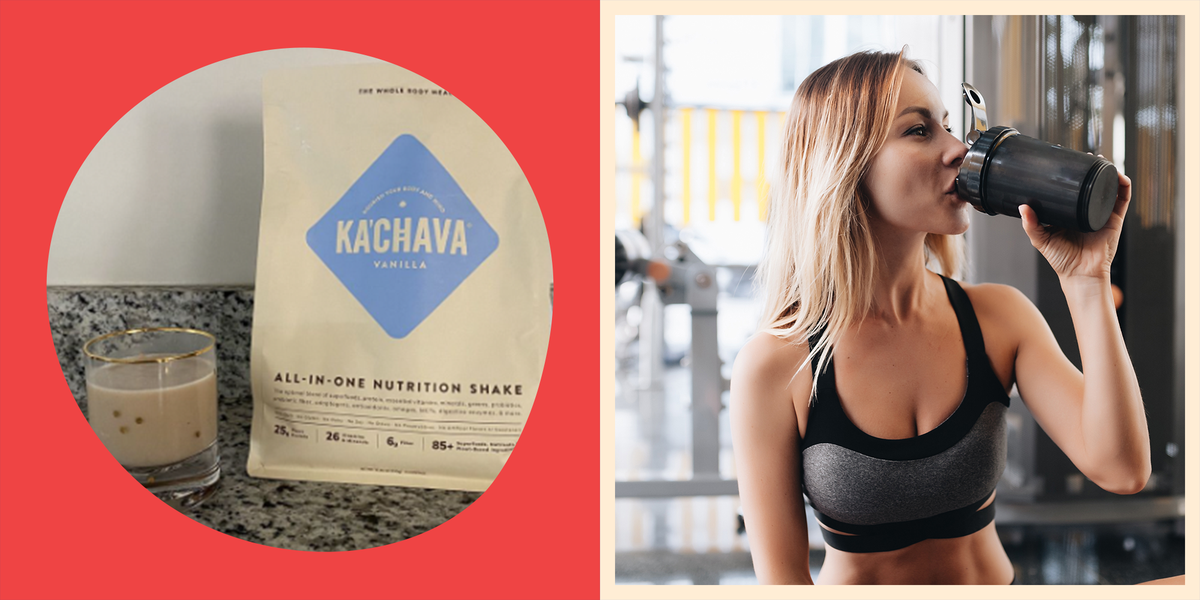
4 min readAs a dietitian, I’m all for—and recommend—getting most of your nutrition from whole foods. I’m also realistic about the fact that some days, lunch happens between meetings or breakfast needs to come with you out the door.That’s where meal replacements can be useful: filling the gaps when a regular meal just isn’t practical. They’re quick, portable, and can make it easier to get a balanced mix of nutrients when your other option might be skipping a meal altogether. They have a few limitations, too. Here’s what to know.What Are Meal Replacement Powders?Meal replacement powders are designed to provide enough calories and a mix of nutrients to stand in for a meal. Most contain protein, carbohydrates, fat, and added vitamins and minerals, and many also provide fiber.That’s what sets a meal replacement apart from a protein powder. Protein powders are primarily designed to help you get more protein with little carbohydrate, fat, fiber, and other nutrients. You can certainly use protein powder as part of a meal, but a scoop mixed with water isn’t enough to replace one.What Are the Benefits of a Meal Replacement Powder?ConvenienceMeal replacement powders are shelf-stable, portable, and easy to prepare—usually you just add liquid and shake, shake, shake. Keep a tub at work, pack a serving when you travel, or reach for one on mornings when sitting down to breakfast just isn’t happening.Predictable NutritionThere’s something useful about knowing exactly what you’re getting. Each serving provides a set amount of calories, protein, carbohydrates, and fat, and many products also include fiber, vitamins, and minerals. That can make it easier to get a balanced mix of nutrients even when you don’t have time to put together a full meal.Portion SimplicityEach serving is already portioned, so there’s no measuring or weighing required. That can be useful if you’re keeping an eye on how much you’re eating or working toward a specific nutrition goal.Can Be Cost-EffectiveDepending on the product, a serving may cost considerably less than takeout or a restaurant meal. Powders also won’t spoil as soon as the produce you bought with very good intentions last Sunday.What Are the Downsides of Meal Replacements?Limited Savory OptionsVanilla. Chocolate. Mayyybe strawberry. Most meal replacement powders lean sweet, which can get old quickly if you use them often—or if you’re someone who’d much rather have eggs and avocado toast than a shake for breakfast.Not All Are Nutritionally CompleteThe words “meal replacement” don’t make a product equivalent to a balanced meal. Some are too low in calories or provide plenty of protein but very little carbohydrate, fat, fiber, or certain vitamins and minerals.In other words, flip it over and look at the full nutrition profile.May Be Less Satisfying Than a Solid MealDrinking a shake just isn’t the same experience as eating a meal. It goes down quickly and doesn’t involve the chewing that comes with solid food, which can make it less satisfying for some people.May Cause Digestive DiscomfortIf you have a sensitive stomach, take a closer look at the ingredient list. Sugar alcohols, certain added fibers, gums, and sweeteners can cause gas, bloating, or other digestive discomfort in some people.What Should You Look for in a Meal Replacement?Adequate CaloriesA meal replacement should provide enough calories to actually take the place of a meal. Around 400 calories is a reasonable starting point for many adults, although your needs may be higher or lower depending on factors like your body size and activity level.Check the serving size, too. If those 400 calories require three scoops when you assumed you were getting them from one, that’s useful information to know before checkout.A Balanced Nutrition ProfileProtein matters, but protein alone doesn’t make a meal. Look for at least 20 grams of protein and 3 grams of fiber per serving, along with carbohydrates, fat, and a range of vitamins and minerals.You don’t need 100 percent of the Daily Value for every vitamin and mineral, and added sugar doesn’t need to be zero. The goal is the same as it is with a balanced plate: a well-rounded mix of nutrients, not a perfect nutrition label.Taste and MixabilityA powder can check every nutrition box, but if it’s gritty, clumpy, and doesn’t jive with your taste buds, you’re probably not going to use it. And that pretty much defeats all of its perks.Our Picks for the Best Meal ReplacementsNutrition labels can tell you a lot, but not whether a powder is gritty, overly sweet, filling enough, or a pain to mix. Along with the nutrition criteria above, we considered taste, texture, mixability, and how practical each product is to actually use when choosing our favorites.Best Meal Replacement PowdersHuel Black Edition Ready-to-DrinkCredit: Sydney Lappe, RDHuel Black Edition checks the major boxes for a meal replacement with 400 calories, 35 grams of plant-based protein, up to 7 grams of fiber, healthy fats, and 27 essential vitamins and minerals. It’s also shelf-stable and ready to drink, making it an easy grab-and-go option.Ka’Chava Superblend ShakeCredit: Sydney Lappe, RDKa’Chava stands out for its whole-food ingredient blend, which includes 25 grams of plant-based protein, 6 grams of fiber, healthy fats, and a range of vitamins and minerals. At 240 calories, I’d add fruit, nut butter, or milk if you’re using it as a meal replacement.OWYN Plant-Based Protein DrinkCredit: Sydney Lappe, RDFree from the top nine major allergens, OWYN is a solid option for people who have trouble finding a shake that fits their dietary needs. It still packs 26 grams of plant-based protein and 23 vitamins and minerals, but at fewer than 200 calories, you’ll want to pair it with other foods to make it a meal.Looking for more options? We’ve tested even more products in our guide to the best meal replacement shakes.Natascha is an editor and writer covering health, fitness, and the ways people move through the world. She’s been a NASM-certified personal trainer for more than a decade, with a background in functional strength training, corrective exercise, nutrition, and behavior change. She has additional CES, CNC, BCS, and SFC certifications. She is also a level-2 certified Spinning instructor. Her work has appeared in Bicycling, Runner’s World, and other outlets, and her experience spans both editorial and hands-on work across the fitness industry. Whether she’s writing about training, health, or performance, she’s most interested in making complicated topics useful, approachable, and helpful.
What a Dietitian Wants You to Know About Meal Replacement Shakes and Powders
Full Article
Original Source
Read the full article at Womenshealthmag →KhanList aggregates and links to publicly available news content. We do not host full articles from third-party sources. Always verify important information with original sources.