
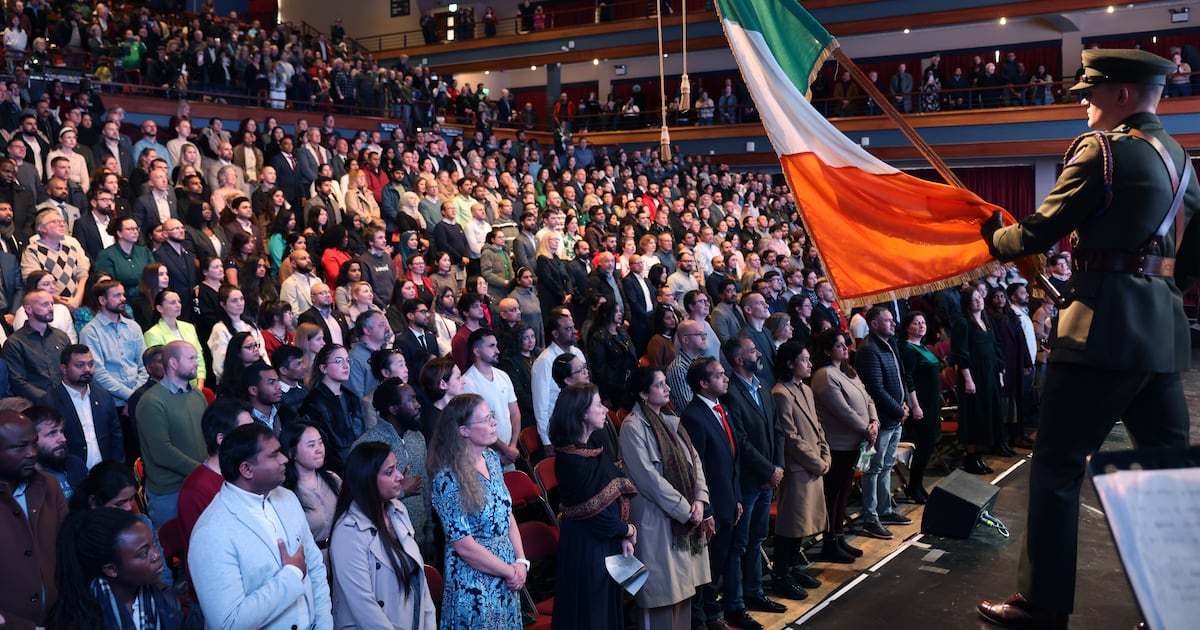
Recipients of maternity benefit and children’s allowance are unlikely to be barred from applying for Irish citizenship under proposed reforms that will take certain welfare payments into account. Minister for Justice Jim O’Callaghan is due to brief Cabinet on proposals to reforms the system for approving new citizenships. This is part of a broader overhaul of immigration.They will include increasing the residency duration requirement before application from five years to eight as well as introducing self-sufficiency criteria such as an income requirement and barring those who have been in receipt of some social welfare payments. However, two Coalition sources said it was likely that measure would apply to unemployment benefits and some housing supports rather than the likes of maternity benefit or children’s allowance. READ MOREReforms will also introduce language requirements with applicants required to have proficiency in Irish or English. The Irish language and its use in society will also form part of a new obligation to show an understanding of civic life here. [ New rules for Irish citizenship: How will they work? ]Minister of State for migration Colm Brophy told The Irish Times the Coalition believed the changes were reflective of what most people felt should be in place for someone seeking citizenship.“It gives people an opportunity to fully integrate,” he said, also saying the reforms put in place “things that help with integration”. Jim O'Callaghan says he wants to see more citizens, but is 'trying to restrain the level of growth in that number'. Photograph: Niall Carson/PA O’Callaghan told reporters at the Fianna Fáil think-in in Tullamore, Co Offaly, on Monday his intention was to restrain the growth in the number of people granted citizenship. “I do need to take into account the very significant increase in the numbers of people who have applied for citizenship,” he said. “For example, last year there were 25,000 people who were granted citizenship. It’s a wonderful occasion. I’ve been to the ceremonies. They’re very emotional. They’re great occasions. “But I do also need to reflect on what the rules are in other countries, because it’s only going to go in one direction. I want to see more citizens but I’m trying to restrain the level of growth in that number.”He also confirmed that time spent in Ireland by Ukrainian refugees would not qualify as part of the required eight years.A joint statement from seven groups working with migrants and refugees called on the Coalition to scrap the proposals, saying these were “simply aimed at making Ireland a hostile place for migrants who contribute so much to our society”. “Citizenship supports integration, belonging and participation. These proposals, if implemented, do the opposite,” the statement said.The groups said it was likely that refugees and migrant labourers would remain in Ireland and contribute to communities for many years. “Keeping people in an extended and uncertain status does not help integration – it delays it,” they saidLabour Party justice spokesman Alan Kelly dismissed the proposed reforms as “performative politics” that would do little to improve Ireland’s immigration system. He called on O’Callaghan to “explain what problem an eight-year residency requirement is actually designed to solve”, saying people who had lived in Ireland for years and paid taxes while raising families and contributing to their communities should have a “reasonable pathway” to citizenship. Aontú leader Peadar Tóibín said the Government was following his party’s manifesto and enacting changes “months after Aontú called for them”.
Welfare benefits such as children’s allowance will not bar recipients from citizenship
Full Article
Original Source
Read the full article at Irishtimes →KhanList aggregates and links to publicly available news content. We do not host full articles from third-party sources. Always verify important information with original sources.