
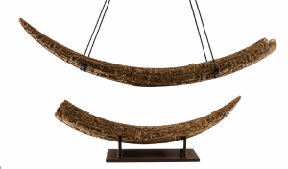
Follow THISDAYLIVE on GoogleAdd us as a preferred source to see more of our stories in Google Follow us on Google Onyike Kelechi Patience Museums are more than repositories of historical objects; they are institutions that preserve, interpret, and communicate the cultural heritage of societies. Every artefact tells a story about the people, values, beliefs, and achievements of the civilisation from which it emerged. Among the remarkable objects representing Nigeria’s pre-colonial artistic heritage are the intricately carved elephant tusks of the Benin Kingdom, dating broadly between 1400 and 1700 AD. These objects are not merelyp decorative pieces of ivory; they represent artistic excellence, royal authority, cultural identity, and historical memory. From a museum education perspective, the tusks provide an invaluable opportunity to educate visitors, particularly young Nigerians, about leadership, creativity, cultural preservation, and the importance of understanding our history. Historical Background The Benin Kingdom, located in present-day Edo State, Nigeria, was one of the most organised and influential pre-colonial African kingdoms. Its political institutions, established trade networks, and remarkable artistic traditions demonstrate the sophistication of its civilisation. Between the fifteenth and seventeenth centuries, successive Obas supported specialised guilds of highly skilled artisans who produced bronze, ivory, and other artistic works for the royal court. Elephant tusks were transformed into elaborate carvings depicting human figures, animals, symbolic patterns, and elements of royal tradition. These carvings served important ceremonial, historical, and political purposes. They communicated aspects of the kingdom’s history, royal authority, spiritual beliefs, and social organisation. However, the British invasion of Benin City in 1897 resulted in the looting and dispersal of thousands of royal artworks and cultural objects. Many were subsequently taken to Europe, where they entered museum collections and private holdings. This history remains central to contemporary discussions about cultural restitution and the repatriation of African heritage. Cultural Significance and Educational Relevance The carved elephant tusks possess significant historical, artistic, political, and educational value. Leadership and Royal Authority: Their association with the Benin royal court demonstrates how art was used to communicate authority, reinforce royal legitimacy, and preserve the continuity of leadership. They remind contemporary leaders that genuine leadership is not measured solely by wealth or position but by the enduring institutions, values, and legacies established for future generations. Artistic Excellence and Indigenous Knowledge: The intricate carvings demonstrate the exceptional creativity, technical skills, and specialised knowledge of Benin artisans. Their achievements highlight the importance of supporting indigenous creativity and craftsmanship. For modern Nigeria, this reinforces the need to recognise arts and culture as important contributors to education, tourism, innovation, and economic development. Cultural Identity and Historical Memory: These objects provide material evidence of the achievements of an African civilisation before colonial intervention. They challenge misconceptions about pre-colonial African societies and strengthen our understanding of Nigeria’s historical and cultural identity. Their dispersal following the 1897 invasion also highlights the importance of protecting our remaining heritage and supporting legitimate restitution efforts. Museum Education and Youth Development: Museum education officers have a responsibility to transform historical collections into meaningful learning experiences. Through guided tours, storytelling, exhibitions, and object-based learning, students can discover the stories behind these objects and appreciate the people and institutions responsible for their creation. Such experiences encourage historical awareness, critical thinking, creativity, and cultural pride. Conclusion The carved elephant tusks of the Benin Kingdom are more than historical objects displayed in museum galleries. They represent the artistic brilliance, political organisation, and cultural achievements of a remarkable African civilisation. As museum professionals and heritage educators, we must ensure that the stories behind these objects remain relevant and accessible to present and future generations. We must inspire young Nigerians to appreciate their heritage, recognise the achievements of their ancestors, and contribute meaningfully to national development. Ultimately, the true value of these tusks lies not only in their age, material, or artistic beauty but also in their ability to educate, inspire, and shape future generations. History should not merely be preserved; it should be interpreted, experienced, and transformed into knowledge that shapes the future. Patience is the Chief Museum Education Officer, Lagos Museum
Weight of History: What Benin’s Carved Elephant Tusks Teach About Leadership, Legacy
Full Article
Original Source
Read the full article at Thisdaylive →KhanList aggregates and links to publicly available news content. We do not host full articles from third-party sources. Always verify important information with original sources.