
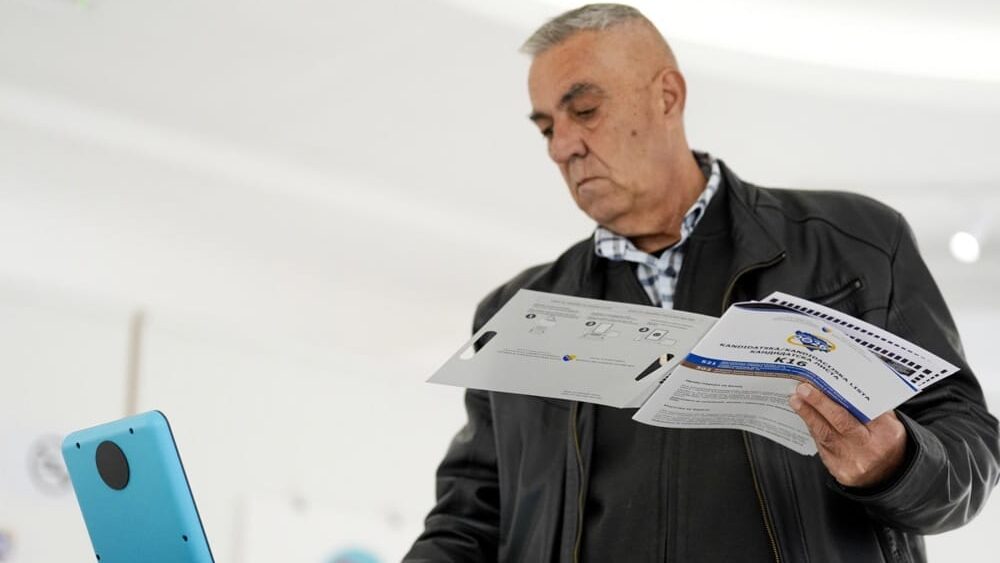
Winners and losers A voter feeds a paper ballot into an optical scanner at a polling station during the general election in Banja Luka, Bosnia and Herzegovina, 4 October 2026. Photo: EPA/NIDAL SALJIC A new election in Bosnia and Herzegovina came with new technologies intended to increase the integrity of the voting process, sparking speculation ahead of the vote about how this might affect the results. Ultimately, the new technologies proved to be about the only novel thing in the elections. Contrary to the expectations of many, voters reaffirmed support for entrenched nationalist parties even more strongly than they did four years ago. Nominally civic, leftist or pro-Bosnian parties were big losers. Our two analyses take a look at who the winners and losers of the elections were, as well as the prospects for government formation at state and entity levels. Read more: Bosnia’s 2026 Elections: Fewer Votes, Familiar Winners (October 8, 2026) Read more: Nationalist Parties Celebrate Wins in Bosnia Election, But Many Voters Stay Home (October 6, 2026) Calmer waters? Justina Shiroka Pula, Kosovo’s new President, at the inauguration ceremony in Pristina on October 7, 2026. Photo: BIRN/Denis Sllovinja After a rollercoaster political week, is Kosovo sailing into calmer voters? A drama was triggered by the guilty verdict handed down to former Kosovo Liberation Army leader and former Kosovo president Hashim Thaci for war crimes by the Kosovo Specialist Chambers in the Hague. All this converged with an October 6 deadline set by the Constitutional Court for Kosovo’s parliament to elect a new President, or face dissolution and yet another election. At the 11th hour, political leaders struck a deal to elect Justina Shiroka Pula as President. Our analysis looks at who the new President is and what her election could mean for Kosovo. Read more: Kosovo President’s Election Kindles Hope of Return to Stability (October 9, 2026) Read more: Justina Shiroka Pula, Another Woman at Kosovo’s Helm (October 8, 2026) Changing world US President Donald Trump speaks during a dinner with American farmers in the Rose Garden of the White House, June 2026. Photo: EPA/AARON SCHWARTZ / POOL Kosovo may have snapped out of its cycle of institutional blockage with the election of a new President, but what does the future hold? Internationally, the country has never looked more isolated. In an opinion piece for Balkan Insight, Fron Nahzi examines the US’s changing relationship with Kosovo. Gone are the days when Washington was interested in nurturing Kosovo’s statehood and political development. It remains to be seen how the political actors in Kosovo adjust to this reality. Read more: For the Trump Administration, Kosovo is Now Just a Bargaining Chip (October 9, 2026) Electoral test Students carry boxes of signatures in support of the ‘Student List – Students Win’ to be submitted to the Republic Electoral Commission (RIK), in Belgrade, September 2026. Photo: EPA/ANDREJ CUKIC Serbia’s two-year-long political crisis, triggered by the collapse of the railway station canopy in Novi Sad, which killed 16 people, is reaching its culmination. Parliamentary elections on October 25, followed by presidential elections at an unspecified later date, will test popular support for the ruling Progressive Party and its main challenger, the Student List. The Student List began as a university-centred protest movement demanding justice and rejecting politics. Since then, it has transitioned, somewhat reluctantly, into a movement competing for power. Our analysis tracks this evolution and weighs the Student List’s prospects of success. Read more: From Streets to Polling Stations: Serbia’s Student Movement Takes Electoral Test (October 6, 2026) End of the road? Prime Minister Edi Rama during the presentation of the amendments to the Code of Criminal Procedure. Photo: LSA. Albania’s Special Prosecution Office Against Corruption and Organised Crime, SPAK, has scored many a success in prosecuting high-profile political figures since its creation in 2016. So much so that many across the region are watching in amazement and wondering how such prosecutions are possible. But could its days of fighting corruption and organised crime be numbered? An attempt to rewrite large chunks of the country’s criminal code, some of it merited, is raising concerns that the real agenda of the legal amendments is to defang the SPAK. Read more: Albanian Criminal Procedure Bill Slammed as Bid to ‘Neuter’ Anti-Graft Body (October 8, 2026) Discouraging activism Tommy Olsen. Photo: Amnesty International Norway. Norwegian aid worker Tommy Olsen is standing trial in Greece, accused, among other things, of creating a criminal organisation and helping to facilitate the unlawful entry of migrants into Greece. In reality, he has been working to provide humanitarian assistance to migrants in the country since 2015, but little more than that. So what is the case really about? In an interview with BIRN, Olsen sets out his argument that his trial – and other similar trials – are a heavy-handed tactic aimed at discouraging others from even thinking of offering assistance of migrants. Read more: Norwegian Charged in Greece Rues Trial’s ‘Chilling’ Effect on Migrants’ Rights Defenders (October 5, 2026)
Week in Review: Realities Old and New
Full Article
Original Source
Read the full article at Balkaninsight →KhanList aggregates and links to publicly available news content. We do not host full articles from third-party sources. Always verify important information with original sources.