
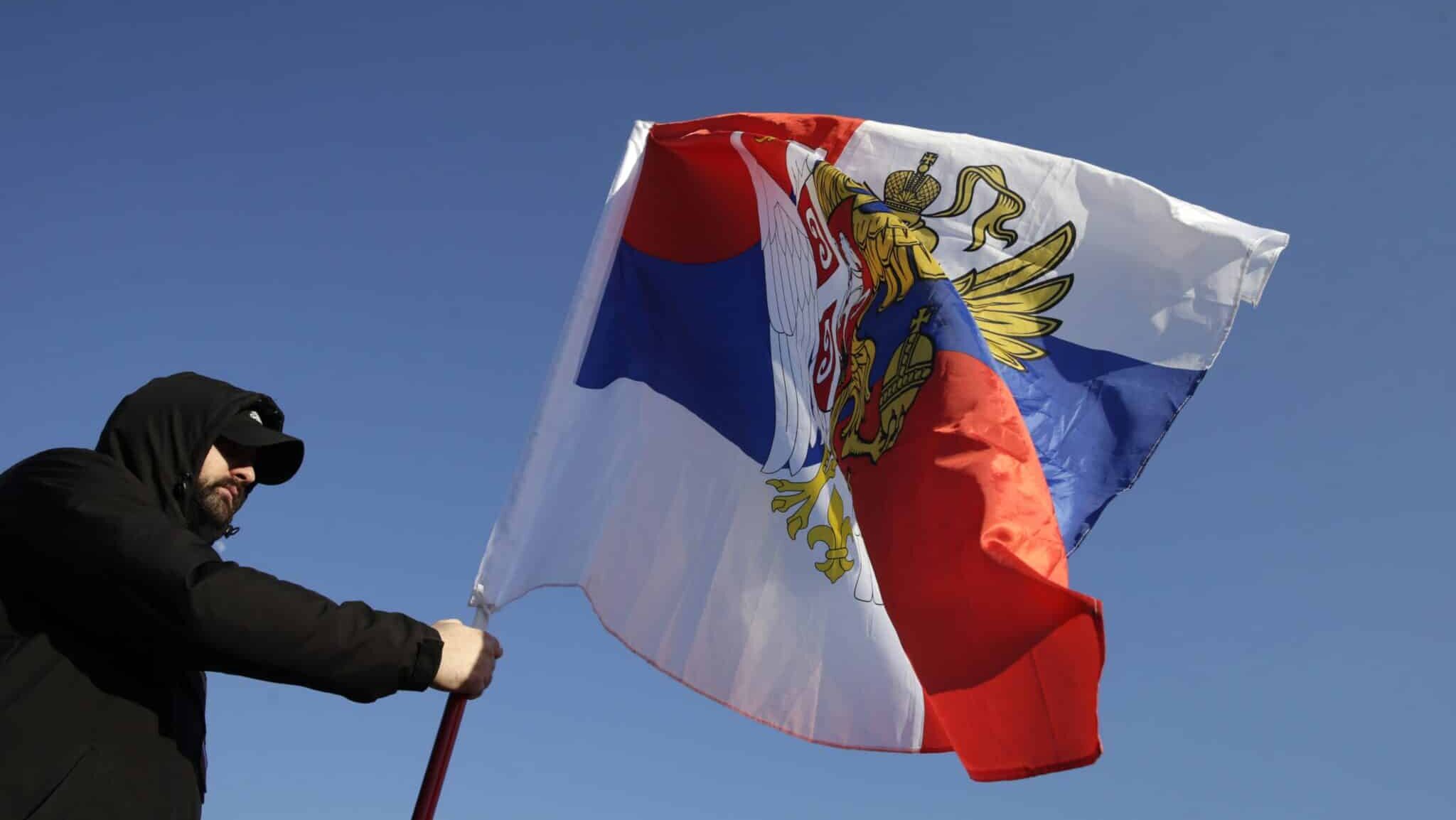
Deadlocked again Kosovo MPs convene for the inaugural session of parliament on August 8, 2026. Photo: BIRN. Kosovo’s governance drama is beginning to border on the absurd. Weeks after the June election results were certified, two months after the elections were held, MPs have yet to elect a parliamentary speaker and deputies and, in doing so, constitute the new parliament. The winning party, Vetevendosje, has the votes to elect a new speaker, and indeed a new government. But it has conditioned the election of a speaker on reaching a wider agreement with the opposition on the election of a new president. With deadlines imposed by the Constitutional Court passing, is Kosovo heading to a fourth parliamentary election in two years? Read more: ‘Absurd Blockade’: Fresh Parliamentary Deadlock Pushes Kosovo Back Into Crisis Mode (August 13, 2026) Funding threatened Romanian President Nicusor Dan addresses the media in Bucharest, June 2025. Photo: EPA/ROBERT GHEMENT Romania, too, faces a governance crisis. Following the collapse of the last government in early May, the political actors have not been able to assemble a new ruling coalition, with the government limping along in caretaker format. The country meanwhile risks losing 770 million euros in EU funds unless urgent reforms are adopted to reduce public-sector pay disparities. Our analysis takes a look at the state of Romania’s political deadlock and what it could mean for the country and its public finances. Read more: Political Deadlock in Romania Threatens €770m EU Lifeline (August 13, 2026) Bouncing along British Prime Minister Andy Burnham with Ukraine’s President Volodymyr Zelensky at HM Naval Base in Portsmouth, Britain, July 2026. Photo: EPA/JASON ALDEN/POOL. Amidst a sweltering summer, the UK is amusing itself with a new Prime Minister. The “Burnham bounce” – a reference to the Labour Party’s improved ratings under a new leader – is all the talk among the pundits. But what, if anything, will the change mean for the Balkans? In his regular “Letter from London”, columnist Marcus Tanner tries to tackle this question, amid arguments that there is a foreign policy “hole” in new PM Andy Burnham’s CV. For the time being, however, the British press seems more interested in what World War II wreckage the dried-up Danube is throwing up. Read more: Letter from London: From Burnham’s Bounce to Ghost Ships in the Danube (August 12, 2026) Unexpected visit Serbian President Aleksandar Vucic and Ukrainian President Volodymyr Zelensky shake hands ahead of their meeting in Belgrade, 08 August 2026. Photo: EPA/ANDREJ CUKIC With Serbia frequently painted either as Russia’s close ally or even stooge, few in the region – or beyond – would have predicted a visit from Ukrainian President Volodymyr Zelensky. This week, however, that unlikely-sounding event materialised in Belgrade. Zelensky’s visit surprised most of Serbia as well, with the ruling party seemingly keen to amplify the visit abroad while keeping domestic attention on it as light as possible. In her opinion piece for Balkan Insight, Maja Bjelos looks at what the visit means for both countries – and whether it signals any change in Serbia’s delicate geopolitical balancing act. Read more: Zelensky’s Belgrade Visit Tests Serbia’s EU-Russia Balancing Act (August 10, 2026) Bracing for impact An Easyjet Airbus A320 airplane lands at Tivat airport in Montenegro, September 2022. Photo: EPA/GEORGI LICOVSKI. As Montenegro’s EU accession process steams ahead, the country is preparing to align itself with the EU’s visa regime by introducing visas for Russian, Chinese, Turkish and Saudi Arabian citizens, among others, from November. The move could have a significant effect. Russian and Turkish visitors in particular account for a significant share of overnight stays in the country, comprising just over 20 per cent of the total, combined. As the tourism industry braces for impact, we look at what the changes could mean for Montenegro’s economy. Read more: Montenegro Faces Economic Test After Decision to Impose Visas for Russians, Turks (August 11, 2026) Making the most of it Residents of the unrecognised ‘microstate’ of Liberland. Photo: V.Tesija/BIRN Disputes over tiny areas of borderland have frequently caused headaches in the Balkans, particularly during EU accession negotiations. The confused state of the Croatian-Serbian river border will likely be no exception, even if it remains a low-intensity dispute for now. Yet a potential source of bilateral tensions and headaches for some can become an opportunity for others. Various enterprising souls – including libertarians and Gen Z students – have sought to proclaim independent micro-states in this confused border space. Our report takes you to one such self-proclaimed mini-state – the “Free Republic of Liberland”. Read more: Lands in Limbo: Danube ‘Microstates’ Dream Big Despite Lack of Recognition (August 7, 2026)
Week in Review: Between the Absurd and the Unexpected
Full Article
Original Source
Read the full article at Balkaninsight →KhanList aggregates and links to publicly available news content. We do not host full articles from third-party sources. Always verify important information with original sources.