
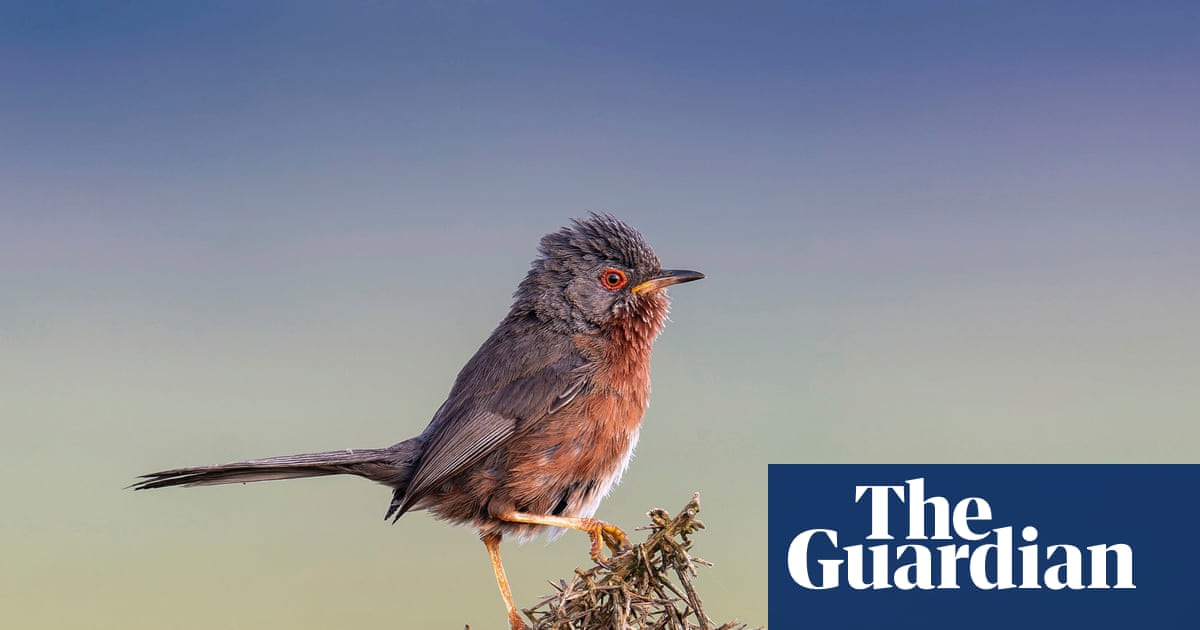
Major wildfires this summer in the Cairngorms, along the Suffolk coast and in the New Forest have destroyed huge swathes of important bird habitats, affecting the populations of some of our most threatened and specialised species.The first to break out, in mid-July, destroyed much of the RSPB’s Abernethy reserve, home to declining species such as black grouse and capercaillie, as well as scarce songbirds including Scottish crossbill and crested tit. Fortunately it was brought under control before it reached the village of Nethy Bridge, whose residents were briefly evacuated.In late July, there was a devastating wildfire at Dunwich Heath, on the edge of the RSPB’s showpiece Minsmere reserve in east Suffolk. Here, much of the lowland heath – one of Britain’s most globally important habitats – was totally destroyed. Three key heathland species – woodlark, Dartford warbler and nightjar – may not now return for many years.Finally, in early August, part of the New Forest – where the same three heathland species also breed – was also destroyed by a major fire. Lowland heath is especially vulnerable to wildfires as the habitat is mainly found in the warmest and driest parts of southern and eastern England.All these examples of habitat destruction and the loss of species are the consequence of the particularly hot and dry summer; itself a direct result of a rapidly heating world.
Weatherwatch: wildfires driven by global heating destroy UK bird habitats
Full Article
Original Source
Read the full article at Theguardian →KhanList aggregates and links to publicly available news content. We do not host full articles from third-party sources. Always verify important information with original sources.