
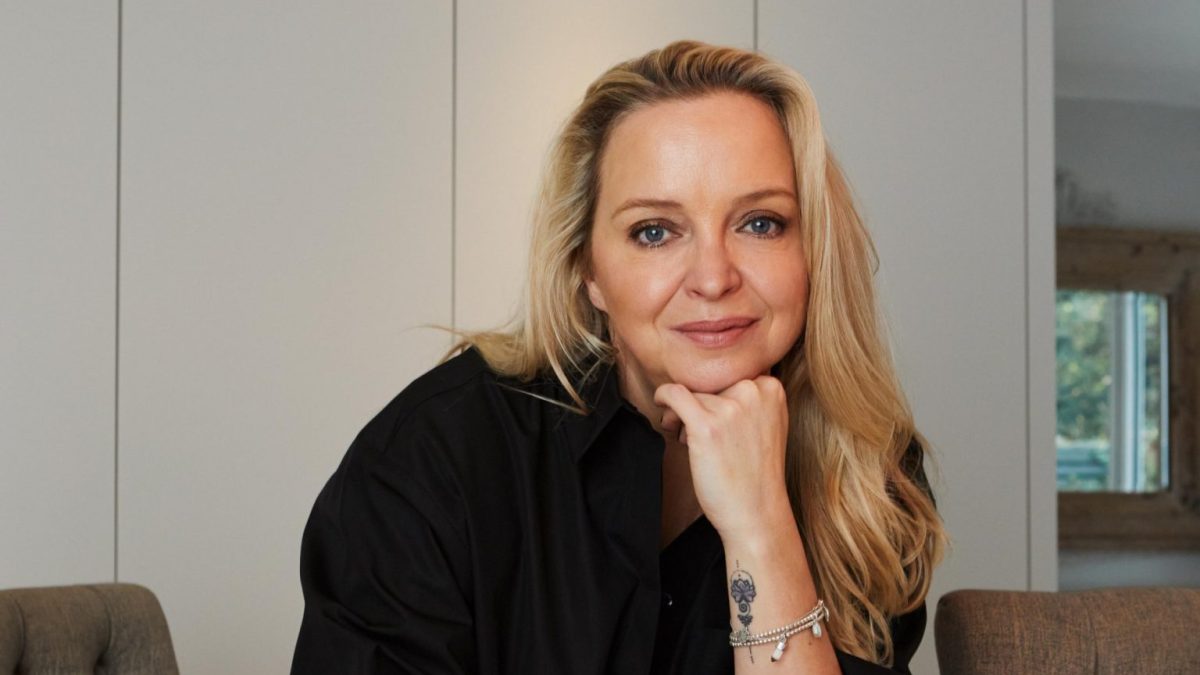
When my marriage ended in 2018, I was devastated. I was 46 and been with the same person since I was 20. Apart from a work sabbatical when I’d moved back up to Manchester in my mid-20s, my whole adult life had been as part of this unit. Together we had created a series of beautiful homes in London that wouldn’t have looked out of place in a magazine, had two wonderful children – a daughter, 13, and a son, 11 – and for many years, our life looked idyllic. I was always at school pick-up, and every school play, constantly on the rugby, football and hockey pitch sidelines, making sure meals were provided and clothes were clean. I booked the holidays and hosted the play dates and barbecues – and I loved being the textbook wife and mother. I felt incredibly lucky to be a stay-at-home mum. But as the years went on, it became apparent – for us at least – that my husband and I were living completely different lives. One of us was building a business. The other was building a home. He was working long hours to provide for us, and permanently had his phone glued to his ear even at the weekends or on holiday, expertly handling yet another client crisis. I threw myself into making the house a gorgeous home where the children felt safe and happy while overseeing the regular house moves and renovations we seem to embark on every four to five years. Things came to a head after we’d finished our most ambitious project yet. We were living in a picture-perfect house with carriage driveway and a garden big enough to accommodate all my son’s footballing dreams but we’d overstretched ourselves financially. The stress was palpable. My ex’s clients seemed to need his constant attention and I was sick of feeling like a single parent – although living together, our paths barely crossed. It was clear something needed to change.Despite various attempts at marriage counselling and weekends away to reconnect, things didn’t improve. Even so, when my ex said he was leaving at Easter after 24 years together, I felt crushed. How on Earth had we ended up here? And how could we do this to the kids? I felt like we had failed. The life I had envisaged for us and our children just fell away. We were breaking up our home and becoming part-time parents, which for me felt completely unbearable. What was I supposed to do when the kids were with their dad? Who the hell was I now, outside of the role of wife and full-time mum? How on Earth was I going to support myself after years of not earning? After several months of crying whenever the kids weren’t around, I’d had enough. I decided that as I couldn’t fix the marriage, I’d fix myself. And I thought I had my recovery plan all figured out. I finalised the sale of the family home, found a new home for myself and the kids, did hot yoga most days, lost weight, overhauled my wardrobe – all the usual feel-better tricks. To the outside world I looked and sounded like a divorce success story. We’d prioritised the kids, who seemed to be adapting fine, and friends told me how marvellous I’d been, which soothed my bruised ego. But when the children weren’t with me, and I wasn’t needed in the role of mum, I was still feeling so lost, and burying my sadness by drinking too much: several large G&Ts minimum every night – usually alone. I’d always been a party girl so I told myself it was totally normal, but one New Year’s Eve, I was at my brother’s house without the kids. I’d been doing my usual routine, drinking everything on offer, telling everyone I was fine. But suddenly it hit me – I felt anything but fine. I felt anxious and exhausted. I missed my kids, and alcohol had become a crutch that was actually making me feel worse rather than better. I had to take a break from alcohol and prove to myself I could navigate this chapter of my life without something to numb the pain. So several months of sobriety ensued along with more personal development: I finished my yoga teacher training and started my own yoga business, plus I ventured into online dating, and took Spanish and then Italian language lessons. All of which made me feel better, but still there was a void that nothing seemed to fill. As a Gen X Northern girl, brought up to be strong, resilient and capable, the one who all my friends turned to when their lives were a mess, I felt embarrassed that I couldn’t sort out my own problems. I continued to hide behind the image I’d been portraying of having it all sorted, while running from the fear that maybe I was too old, not good enough, and had perhaps left it too late to start over. I was desperate to find a different solution that would make me feel wanted and useful, to find my purpose again rather than the surface-level sticking plasters I’d been using so far. But what, and how? One night, unable to sleep, I reached for a book that had been lying unopened in a pile next to my bed. What I read that night honestly changed my entire thinking. It introduced me to the work of Carl Jung and showed me that the way back to feeling whole wasn’t about finding the silver linings – something I prided myself on – but instead exploring my darker, less appealing traits and emotions. The parts we tend to struggle to accept about ourselves. Our shadow self. By playing the good mother role – one that had become my whole identity – it meant that any traits that didn’t fit that picture such as being demanding, ambitious, selfish, had been pushed into my shadow (traits that I had unknowingly rejected long before my marriage). I’d been changing everything on the surface without understanding the entirety of the woman beneath. If I truly wanted to reinvent myself and become a successful, financially independent woman, I was going to have to uncover those parts I’d dismissed and accept they were part of me. It turns out our shadow isn’t something to be afraid of. It’s where our freedom – and often our brilliance – lives. And unless I learned to integrate it, I’d still be trying to build a new life from an old identity that would continue to limit what was possible. This led me to train as a Jungian life coach. This was my opportunity to heal myself and potentially help other people. It felt like coming home. This work showed me the importance of working with difficult emotions rather than simply burying them beneath busyness and distractions. This was something that felt scary to begin with – I had experienced some intense anxiety and panic attacks in the year before my marriage ended – but I discovered that by honouring the emotions and the pain, they felt more manageable. I learned that the traits that irritated me in other people were annoying to me because I wasn’t allowing myself to behave it the same way. Asking for what I wanted and needed, rather than assuming people could see it for themselves, was a slow process as putting my needs first didn’t come naturally to me. I learned to say no when I meant no, rather than always saying yes and finally stopped making myself smaller to keep everyone else comfortable. It also gave me the freedom to realise that my next chapter didn’t have to be a repeat of what went before. I was free to choose what I wanted my second act to look like and I could create it on my terms. I now live in south-west London with my children (most of the time) and two dogs. I have an incredible relationship with my kids who have become well-adjusted young adults, and I’m really proud of the way my ex and I have navigated divorce and co-parenting – not always easy, but definitely worth it. He’s very supportive and encouraging and my children are also proud of how hard I’ve worked to reinvent myself. I’m healthy, happy, single and giving everything to building my coaching business. I can also enjoy a few glasses of wine without it being a daily necessity. I’m constantly learning and growing, and as a result my life now feels unrecognisable. I’m bloody proud of the woman I have become. And I love sharing this with other women: I learned the hard way what worked and what didn’t, so they don’t have to. I look back on 46-year-old me with huge compassion. I just want to give her a hug and tell her everything will be OK, and that what can feel like the hardest thing in your life, can actually become the springboard to an incredible future. Annabel Lane is a Jungian life coach based in south-west London and founder of Red Dress Energy®, helping women rediscover themselves and create extraordinary lives in midlife and beyond. www.annabellane.com | @iamannabellane
We were the perfect couple with a designer house – but were living separate lives
Full Article
Original Source
Read the full article at Inews →KhanList aggregates and links to publicly available news content. We do not host full articles from third-party sources. Always verify important information with original sources.