
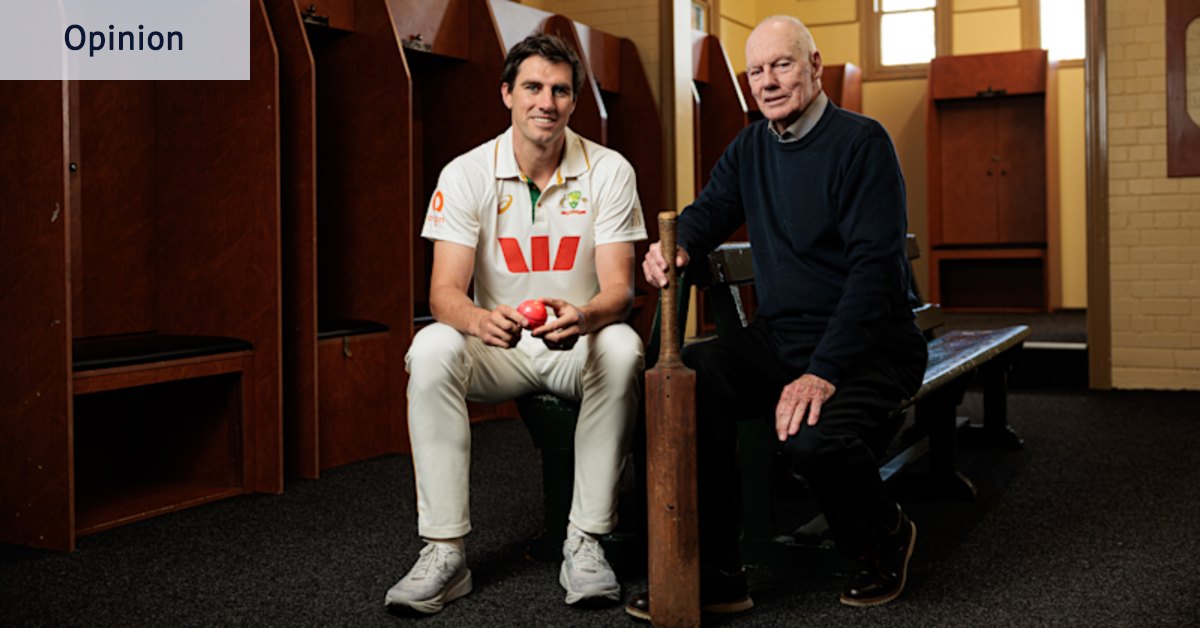
OpinionFormer Australian Test captainNovember 20, 2026 — 11:53amNovember 20, 2026 — 11:53amWhen Watergate brought down a presidency, the lesson was the same – the cover-up does more damage than the original offence.Hiding uncomfortable truths doesn’t make them go away. They find their own way out, and the only way to protect an institution is to face them honestly when they first appear.Day of infamy: Cameron Bancroft (left) and Steve Smith face the media after the Cape Town cheating scandal in 2018.GettyCricket Australia is learning that in public, and it’s painful to watch. Cameron Bancroft says the whole team knew about the plan to tamper with the ball in Cape Town, and that he held details back when he was first questioned. Chadd Sayers and others have since added their voices.Pat Cummins and the other bowlers deny knowing. I wasn’t there and can’t prove otherwise, but I find it difficult to believe that only three men were aware.What I can say is that the process that should have settled this eight years ago didn’t, and we’re all paying for it now.Bancroft has carried a heavy load for a long time. Steve Smith and David Warner had the talent to rebuild their reputations with runs. Bancroft didn’t get that chance, and he’s had to wear the stigma mostly alone, branded by many as the man behind a plan that made no sense. With hindsight, the investigation CA ran in the days after Newlands should have been far more thorough. Had the whole playing group been properly interviewed, we’d have had our answers then, one way or the other.Pat Cummins’ position as Australian captain has come under increasing pressure in recent days.Sam MooyBancroft says the one voice raised against the plan was the team’s media manager, Kate Hutchison, who told the group she wanted nothing to do with it. She also gave sensible advice on how to handle the crisis once the cameras caught the attempt. Who brushed her aside, and why? Was it the senior players who thought they knew better? We should know who made that call, and why.It’s unfortunate, and I think deeply un-Australian, that three players have carried the rap and worn the disgrace of Cape Town for more than eight years, when I believe many more knew – must have known – what was going on, even if it was not every man in the squad. If a non-cricketer knew and spoke against the scheme, it strains belief that so many of the playing group were in the dark. Perhaps it comes down to semantics, to people splitting hairs over the precise meaning of “knew”. I don’t think the Australian public will cop that.One thing almost everyone concerned agrees on is the culture within the Australian team at the time of the 2018 South Africa tour. Cummins has spoken about the “ugly underbelly” of that dressing room and said there were parts of it he didn’t think were OK. Bancroft says his use of sandpaper was celebrated within the team. The independent reviews CA commissioned after Newlands described an arrogant and controlling team. That doesn’t come from just three players. It is built over years by senior players, coaches, administrators and everyone who watched and laughed at the stares and the sledges. If the culture was toxic, and almost everyone says it was, responsibility for it is shared, too. It can’t be placed upon three men.We should also ask whether the players, still in Cape Town, were allowed to have managers, lawyers or union representatives with them. I doubt it. And I wish CA hadn’t been in such a tearing hurry. It was negotiating a lucrative broadcast deal, and I suspect it wanted the story off the front pages.Why did it take eight years for any of this to come out? Anyone who has played Test cricket knows the answer. You don’t speak up against your own side, you worry about your place in the team, and there’s an unwritten code that what happens in the dressing room stays there. That doesn’t excuse the silence, though I understand it. Usman Khawaja has done no wrong in saying what he did, whatever the others say. If you can’t raise an issue while you’re playing, when can you, if not in your autobiography?Every team needs a confidential way for a player or staff member to raise a worry with someone outside the chain of command, without it costing him his place. Perhaps the time has come for CA to put real whistleblower protections in place and appoint a dedicated, independent official.CA’s proposed forum, reportedly led by a former judge, with no new sanctions, is a start. But on its own, it won’t restore trust. I’d make it a proper independent inquiry. CA and the Australian Cricketers’ Association should choose the chair jointly, so neither side can say it was stacked. Everyone from the touring party and support staff should be invited, and anyone who tells the truth should be protected. It should look at what happened in 2018, how CA handled it, and what the culture is like now.The inquiry should work around the playing schedule so that the team isn’t distracted, and aim to finish by March, with a public report. That’s a tough deadline, but quick isn’t the same as hasty. Set the terms first, appoint the chair quickly and keep the scope tight. If it can’t finish in time, it should publish its findings so far. The home season ends with the 150th anniversary Test against England at the MCG, and it would be a fine thing to play that milestone with this behind us. Fairness has to run both ways, to those who speak up and to those accused of something they deny.Pat Cummins and Greg Chappell during the 150th Anniversary Test Australia Portrait Session at the Sydney Cricket Ground on September 8, this year.Getty Images for Cricket AustraliaCA also commissioned a culture review after Newlands. It should publish a plain progress report on every recommendation, checked by someone outside the organisation. It should also support Bancroft and the others with independent welfare and legal support while the inquiry runs.The calls for Cummins to go are getting louder and more insistent. The mistake of 2018 was punishing people before the facts were known, and I don’t want to see it repeated. Believing others knew isn’t the same as proving it. No man should lose his job based on a disputed account, no matter which side it comes from. Cummins has a responsibility for the culture of the team he leads, but that’s different from holding him personally responsible for something he may not have known about in 2018. If the inquiry finds something, CA and the selectors will know what to do. Until then, the squad has Test cricket to play, starting against New Zealand in Perth on 9 December, and it needs a settled dressing room more than another scalp.If Cummins feels he needs to step aside, or the selectors decide a change is necessary, Travis Head is the man. He made his Test debut in October 2018, months after Newlands, so is untouched by the affair. South Australia made him captain at 21, and he was named co-vice-captain of the national side in 2023. He’s also delivered in the biggest games, with a hundred in the 2023 World Test Championship final and another in that year’s World Cup final. A new captain from outside the 2018 group would give the team a fresh start while the old argument settles elsewhere.The ICC and the game’s administrators share the blame. For decades they treated ball-tampering as a minor offence and left the rules vague. When it finally blew up in 2018, three players carried the consequences. The ICC should now publish a plain list of what players may do to the ball, and set one scale of penalties that every board follows.My brother Ian has been suggesting something for years, and I still like it. Ask the captains, after talking to their bowlers, for a list of what helps swing the ball, then make one of those legal and ban the rest. It would shrink the grey area where “ball management” lives. Test cricket is at its best when bat and ball are evenly matched.The finest teams I played against or watched never needed to tamper with the ball or harass their opponents. They showed their superiority in how they played, and they didn’t have to tell anyone they were the best.CA got this wrong in a hurry in 2018. It has a chance to get it right now, and it should take it.Read more on the sandpaper scandalCameron Bancroft: Eight years I’ve carried this burden. Now it’s time I told the truthPeter FitzSimons: Sandpapergate has gone from a crisis to an existential threatDaniel Brettig: The most incendiary part of the 4000-word Sandpapergate revelationLehmann quizzed: Ex-coach dodges question on Bancroft claims, leaves commentary boxCummins responds: Embattled captain stands by sandpaper commentsNews, results and expert analysis from the weekend of sport sent every Friday. Sign up for our Sport newsletter.From our partners
We need to deal with Sandpapergate before the 150th anniversary Test
Full Article
Original Source
Read the full article at Smh →KhanList aggregates and links to publicly available news content. We do not host full articles from third-party sources. Always verify important information with original sources.