
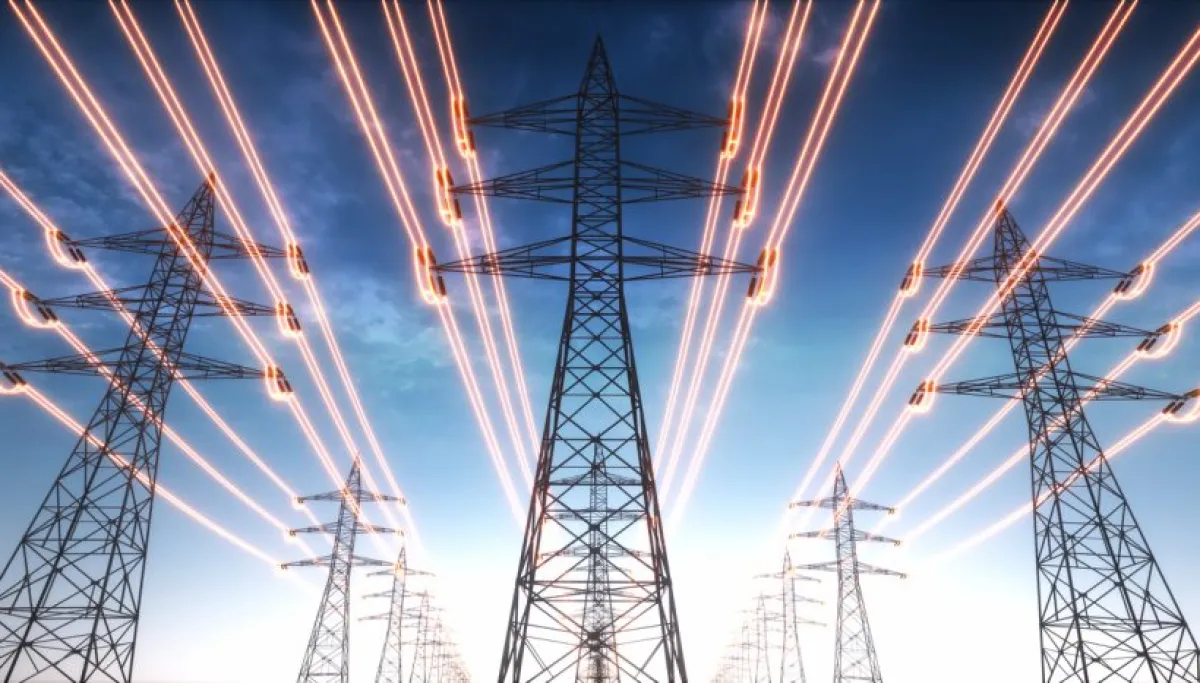
The electricity grid that powered America through the 20th century will not work for this one. America is entering a new frontier of electricity demand. Growth in domestic manufacturing, artificial intelligence, and the electrification of heating and transportation are driving an anticipated 25% increase in power demand over the next 10 years. Meanwhile, the problems with our existing grid have been building for decades, and they will not be solved by fragmented upgrades and tedious bureaucracy. Americans need a power grid that’s bigger and better. But America needs Congress to act to help build the energy infrastructure it needs faster.That’s why a bipartisan group of Congressional leaders has been meeting to craft changes to federal permitting rules. Businesses can’t invest in and build the grid we need for the next era of innovation and industry until we reform the way we build transmission lines. Our transmission networks, the wires and towers that carry electricity over our heads and across the country, were not built for our modern energy system. Much of the power grid we rely on today was constructed in the 1960s and 1970s; for years, incremental upgrades and Band-Aid fixes have helped the country keep the lights on. To meet the extreme escalation in energy demand we’re facing, the United States must double its regional transmission capacity and quadruple its interregional capacity by 2050. That won’t happen as long as complex and outdated planning, siting, and approval processes continue to make constructing and updating transmission lines more difficult than ever. Recommended Stories But we should be mindful that more transmission is also a means to an end: more power. This is why federal permitting reform should also include reforms to the very flawed process by which new large-scale energy projects connect to the grid. Congress has correctly recognized that streamlining transmission permitting and planning should be a cornerstone of any permitting reform negotiations, but even brand-new, high-voltage transmission lines cannot deliver their full benefits if energy sources are not able to connect to the grid. Interconnection is the process by which new energy generators and storage projects connect to the grid. Before a project can begin delivering power, it must undergo engineering studies to evaluate its impacts on the transmission system and determine whether network upgrades are needed. Only after completing this process can a developer sign an interconnection agreement and move toward operation. This system has become overwhelmed. Regional grid operators are receiving far more requests than the existing framework was designed to handle, resulting in yearslong delays and mounting uncertainty for developers. Between 2000 and 2019, only 13% of projects requesting grid interconnection ultimately reached commercial operation.As Congress considers bipartisan permitting reform, it must modernize how transmission is built as well as how electricity generators connect to the grid.The scale of today’s project backlog underscores the need for reform. As of July 2026, there were nearly 8,000 generation and storage projects with active interconnection requests waiting for approval. These projects could nearly double the installed capacity on the grid today and represent more than enough energy to meet projected demand. However, the average wait time for a project’s approval has ballooned, from about 20 months in 2005 to over five years in 2025. These delays postpone billions of dollars in investment and contribute to higher utility bills for consumers. In the PJM Interconnection, covering 13 states in the East and Midwest, bringing just 10% of stalled projects online would have saved customers an estimated $3.5 billion in energy bills.OPINION: OBAMA’S OWN ECONOMIST JUST EXPOSED THE MASSIVE COST OF GREEN ENERGY MANDATESFortunately, there are several legislative proposals that would advance these efforts. One, Sen. Martin Heinrich’s (D-NM) recently introduced Grid Connection and Congestion Management Act, would require all regional operators to create a new, faster, energy-only delivery pathway for generation connection. Energy developers would then have the option to choose an expedited path, allowing them to bring projects online faster and deliver energy while accepting the risk of curtailment. By shortening lengthy study times and creating a more predictable process for developers, this bill would help bring energy online faster. Other legislators are actively developing proposals to increase transparency and improve construction timelines. As negotiations over permitting reform continue, lawmakers must understand that transmission development and generator interconnection reform are two complementary solutions to the same challenge: bringing new energy resources online quickly, reliably, and affordably. Congress has an opportunity to modernize an outdated system, reduce wait times, and unlock thousands of projects that are ready to power America’s homes and businesses. Together, incentivizing transmission buildout and reforming the broken interconnection queue can help ensure the nation’s electric grid is prepared to meet the demands of our growing economy.Heather O’Neill is president and CEO of Advanced Energy United.
We have enough power to light up America. Washington won’t let us plug it in
Full Article
Original Source
Read the full article at Washingtonexaminer →KhanList aggregates and links to publicly available news content. We do not host full articles from third-party sources. Always verify important information with original sources.