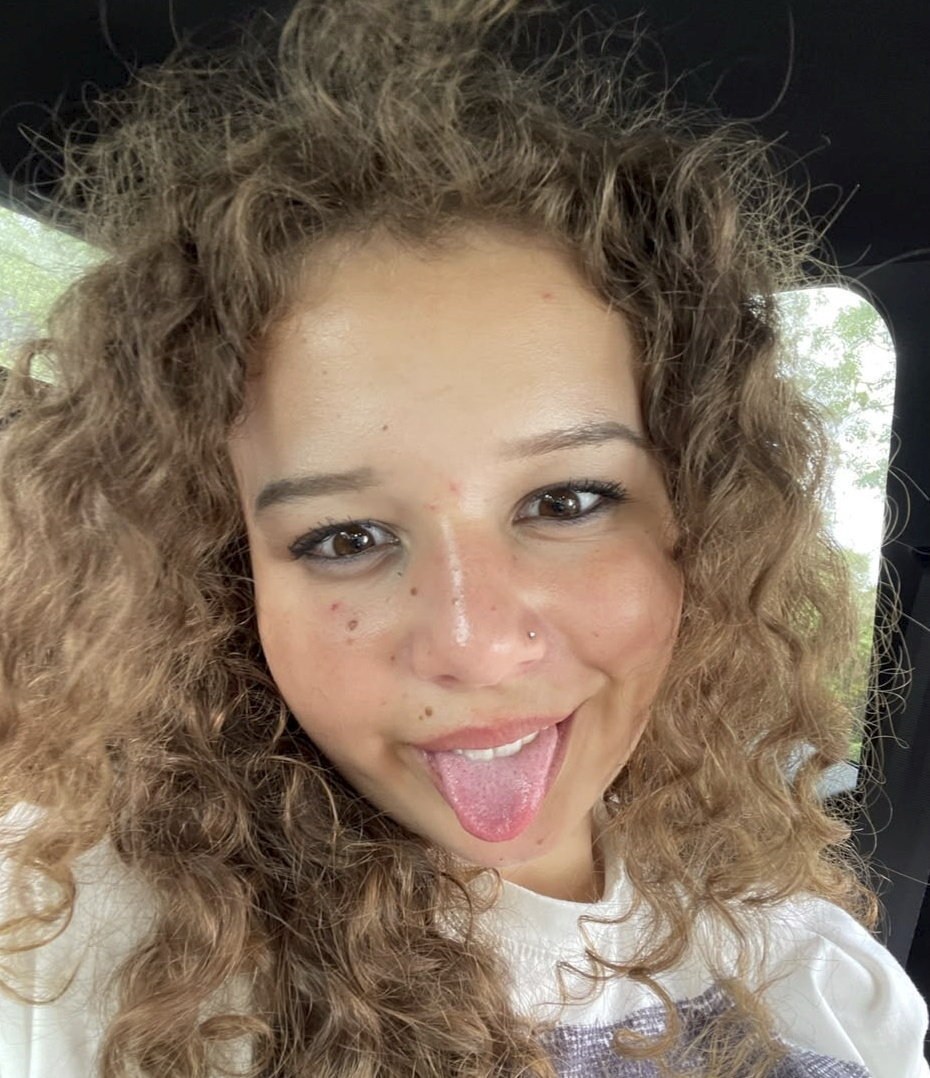
A DAD has been left heartbroken after his daughter’s headaches, which he thought were caused by the heatwave, turned out to be the sign of a rare brain cancer. Annabell Robinson, 14, began experiencing headaches and vomiting in June, but her parents thought she was just suffering from the same stomach bug as her siblings. Annabell Robinson was suffering from headaches and vomiting in June, but her parents initially assumed the symptoms were caused by a stomach bug and the hot weather Credit: SWNS Pictured with her dad James MacLeod, who was devastated to learn her symptoms were actually caused by a brain tumour Credit: SWNS They initially dismissed her symptoms as a combination of the bug and struggling with the hot weather. Mum Leah Robinson, 40, had a phone call with a GP to discuss Annabell’s illness and was advised to book her an eye test along with reducing her screen time. Sign up for the Health newsletter Thank you! But a week later, Annabell was rushed to hospital when she developed double vision and her right eye began to visibly turn in. It was there at Kettering General Hospital A&E that CT and MRI scans revealed a five-centimetre tumour in Annabell’s brain. She was transferred to Oxford University Hospital for Children and a biopsy sadly revealed she had diffuse midline glioma (DMG), a rare, aggressive and incurable type of brain tumour. Due to the position of the tumour, doctors say Annabell will die if it is operated on, so they have decided to use radiotherapy to treat the cancer instead. Diffuse midline gliomas are the second most common type of primary high grade brain tumour in children, according to the Brain Tumour Charity. Symptoms include problems with walking and coordination, double vision or difficulty controlling eye movement, weakness in the arms and legs, headaches and nausea. Most read in Health Scans revealed that Annabell had a 5cm tumour in her brain, which sadly was confirmed to be cancer Credit: SWNS Annabell had a shunt fitted in hospital to drain fluid build-up and reduce pressure on her brain Credit: SWNS Sadly, the average survival for people with this type of brain tumour is less than one year. Around 10 per cent of people survive for at least two years after diagnosis and just 2 per cent for five years. As well as a biopsy, Annabell had a ventriculoperitoneal (VP) shunt fitted when she arrived at Oxford University Hospital for Children, which drained fluid build-up and reduced pressure on her brain. She received the diagnosis on July 2 and her mum had to ring her dad to tell him the heartbreaking news. Speaking about the ordeal, Dad James MacLeod, 37, from Corb, y Northamptonshire, said: “This has all [happened in] three weeks, you can see how quickly things progressed. “From my perspective, I generally thought it was a bit of hot weather and maybe she needed glasses. “Leah rang me and I was in the middle of Liverpool and she told me that Annabell had a five-centimetre tumour. “Everything just seemed to stop. I fell to the floor and I couldn’t believe it. “We drove straight from Liverpool to Oxford. And I’ve been here ever since. It has just happened so fast.” Annabell sadly developed a meningitis infection linked to her shunt after about a week in hospital Credit: SWNS The 14-year-old had to undergo another operation to have the shunt replaced Credit: SWNS A week after being admitted to hospital, Annabell sadly contracted an E. Coli meningitis infection linked to her VP shunt, which was replaced with an external ventricular drain (EVD) to continue relieving fluid build-up and pressure. Doctors are now waiting for her to recover from the second shunt surgery and the meningitis infection before transferring her to University College London Hospital. Once there, she will receive 30 sessions of targeted radiotherapy every working day for six weeks. Doctors have told her parents that she has just nine to 12 months to live, but they remain hopeful that Annabell will respond well to the treatment. The treatment is the “only chance” of slowing the growth of the tumour and easing Annabell’s symptoms, as it is too dangerous to try and operate and remove it. Her dad, an asbestos surveyor, said: “The type of tumour it is, it weaves through the cells of the brain, like roots in the soil. And that then makes it really complex to try and remove. “But also, because of where it’s positioned, if they were to even try to remove that, Annabell wouldn’t live. “She would, as the doctor said, die on the table.” Due to the location of her tumour, doctors can’t operate on it Credit: SWNS What is a diffuse midline glioma? Diffuse midline gliomas are the second most common type of primary high grade brain tumour in children. They are a type of glioma and grow in the midline between the two halves of the brain. There are various treatment options but radiotherapy is the current standard. The tumour is fast growing, likely to spread and difficult to remove surgically. The most common symptoms your child may experience include: problems with walking, coordination or balance weakness in the arms and legs difficulty controlling facial expressions or one side of the face appearing different from the other speech difficulties problems with swallowing and chewing double vision or difficulty controlling eye movement. Growth of the tumour might also block the drainage of the cerebrospinal fluid that surrounds and nourishes the brain. This can cause a build-up of pressure in the head, and can cause: headaches (especially in the morning) nausea fatigue The average overall survival for people with this type of brain tumour is less than one year. It generally ranges from eight to 11 months. Source: The Brain Tumour Charity Annabell’s journey has been anything but easy since she became ill. After her biopsy surgery in June, she took three days to wake up and lost the ability both to speak normally and move freely. And due to her not being able to talk, her parents have made the decision not to tell her the extent of her prognosis until she has transferred hospitals and seen the cancer ward. Explaining their decision, James said: “Because she can’t talk we don’t want to tell her and her not being able to communicate with us about it and sit there and worry and cry or be sad or frightened. “Annabell’s the kind of person that would protect mine and mum’s hearts, even if she wasn’t able to understand.” James is sharing his daughter’s story to encourage parents to seek medical advice if headaches, vomiting or vision changes persist. He said: “I just want families and parents to be a little bit more aware.” “Take persistent headaches or visions or vomiting a little bit more seriously and push and push.” The family are also raising money to help with the financial burden of their daughter’s illness. The dad added: “Annabell is definitely fighting strong. “She’s definitely a fighter, she hasn’t given up yet.” Comment now
We blamed hot weather for our daughter’s headaches – it was incurable cancer at 14 – what we want parents to know
Full Article
Original Source
Read the full article at Thesun →KhanList aggregates and links to publicly available news content. We do not host full articles from third-party sources. Always verify important information with original sources.