
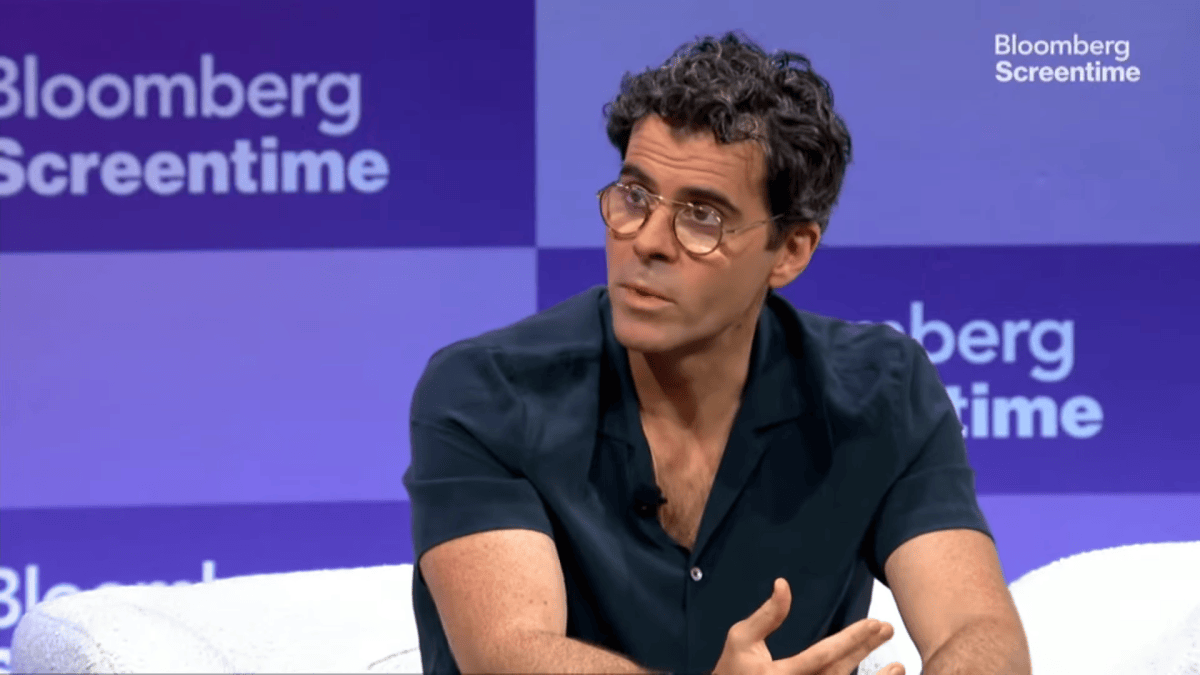
If you could have one million followers on any social media platform, which would you choose? There is a correct answer, and it’s YouTube, assuming you’d like to get paid for your work. But Instagram’s latest update could upend YouTube’s long-held position as the most lucrative platform for creators, if only Instagram plays its cards right. Instagram announced on Monday that it’s testing a new type of video upload that will allow creators to share “Features,” videos up to 90 minutes long. After years in which every social platform (even LinkedIn!) aggressively pursued short-form video, this is a notable shift in strategy for Instagram. Short-form, vertical video content has defined the internet of the 2020s, but the creators behind these clips don’t actually make much money directly from platforms like Instagram — the Meta-owned platform has some monetization tools like subscriptions, but it doesn’t typically pay creators on a per-view basis. “You can get paid by the platform directly, you can get paid by a fan, and you can get paid by a brand,” Instagram head Adam Mosseri explained on the Colin and Samir Show, an interview show about the creator economy. “And right now, the way that it works on Instagram primarily is you primarily get paid by brands. Some people get paid by fans. We have still a small performance-based program, but… we spend more money than we make back by a long shot, and so it doesn’t really make sense to scale up because we’re just burning capital.” YouTube’s payment model is more straightforward: there are ads on videos, and creators enrolled in YouTube’s Partner Program get 55% of the ad revenue YouTube earns from their videos. That adds up. The platform said last year that it paid more than $100 billion to creators, artists, and media companies in the previous four years. Instagram and TikTok haven’t been able to replicate YouTube’s model with short-form content, which is inherently trickier to monetize than longer videos because there’s less room to place ads. Many creators see those accounts more like promotional arms for their YouTube channels than meaningful drivers of revenue. Image Credits:Instagram / Instagram is encouraging creators to upload longer videos, as it already did eight years ago with the now-defunct IGTV. It’s possible that its parent company Meta, which makes its billions on advertising, will put ads in those long-form videos, too. If Meta does add ads, could Instagram meaningfully compete with the YouTube Partner Program for the first time? “It’s too early to share a long-term monetization model, but we’re exploring ways for creators to earn from brands, fans and Instagram, including performance-based incentives,” a Meta spokesperson told TechCrunch. “Over time, we think there will be compounding benefits for creators to tell new stories, reach new audiences, and find new partners, which should lead to many monetization opportunities.” It’s not a particularly promising answer, but it’s also not a “no.” Mosseri explained in a video announcement why the platform is suddenly embracing long-form content after scrapping its old video product, IGTV. “For a long time, I have been against doing long-form video on Instagram,” Mosseri said, noting that shorter content like Reels drives more shares and DMs among users. Instagram VP of Product Tessa Lyons, who has been advocating for this change, finally convinced Mosseri to give long form another shot. “Reels is still going to be a core part of Instagram. But when you want to go deeper with the creators you love and the content that they’re creating, you should be able to do that on Instagram,” Lyons said in the video. In other words, Instagram would rather keep fans on its own platform to enjoy both short and long-form content from a creator than lose them to YouTube. Instagram is testing a feature called “Clips as Reels,” which lets creators make Reels out of their long-form content. The Reels link viewers to the longer video. Viewers can also save the longer video to send to the Instagram app on their TV. Instagram is currently testing “Features” and “Clips as Reels” in Brazil, and will now expand to the U.S. in a small test, as well. The platform is also working on improved discovery features for Live video and a hub on a creator’s profile for episodic Reels, meaning a series of connected Reels similar to TikTok’s playlist feature. “The thing that the team has been working on that we’re excited to share with you is trying to make it so that the short-form and the long-form video can be symbiotic,” Mosseri said. “We’re going to try to support these different types of formats, both in the mobile app, but also on the TV app, which I think is . . . going to take some time to get right. But I’m actually very excited about it, and we’re very committed to it long term.” When you purchase through links in our articles, we may earn a small commission. This doesn’t affect our editorial independence. Amanda Silberling is a senior writer at TechCrunch covering the intersection of technology and culture. She has also written for publications like Polygon, MTV, the Kenyon Review, NPR, and Business Insider. She is the co-host of Wow If True, a podcast about internet culture, with science fiction author Isabel J. Kim. Prior to joining TechCrunch, she worked as a grassroots organizer, museum educator, and film festival coordinator. She holds a B.A. in English from the University of Pennsylvania and served as a Princeton in Asia Fellow in Laos. You can contact or verify outreach from Amanda by emailing [email protected] or via encrypted message at @amanda.100 on Signal. View Bio
Watch out, YouTube; Instagram goes from short-form to 90-minute videos
Full Article
Original Source
Read the full article at Techcrunch →KhanList aggregates and links to publicly available news content. We do not host full articles from third-party sources. Always verify important information with original sources.