WASHINGTON—When the United States announced plans on May 28 to designate two Brazilian criminal groups as Foreign Terrorist Organizations, Brazilian friends and contacts immediately asked us whether they should expect drone strikes in Brazilian favelas or US Special Forces raids in the Amazon. Such attacks are unlikely. But the fear points to a more consequential reality: the designations were only the latest in a series of US measures pushing the Western Hemisphere’s second-largest democracy away from the United States. Washington may not realize it, but the unintended beneficiary of this dynamic is China. Since early 2025, the Trump administration has placed substantial tariffs on Brazilian goods, sanctioned a Brazilian Supreme Court justice under the Global Magnitsky Act, and launched a Section 301 investigation into Brazil, alleging unfair trade practices and scrutinizing the country’s popular Pix payment system. On July 15, the Trump administration issued a final determination on the Section 301 investigation, moving forward with 25 percent tariffs on a range of Brazilian goods. US Secretary of State Marco Rubio hailed the ruling and alleged bad faith by the Brazilian government during the negotiations around the tariffs. The Brazilian government denounced the decision as lacking substance and aimed at interfering in Brazilian politics and judicial decisions; President Luiz Inácio Lula da Silva asserted that Brazil would take retaliatory measures. Though tariffs capture much of the attention, the terrorism designations in late May reach further than many Brazilians realize. They trigger US material-support law, which extends into Brazil through dollar-correspondent banking and can ensnare companies unaware of their exposure under US law. The designated groups—Primeiro Comando da Capital and Comando Vermelho—are deeply embedded in the formal economy, spreading compliance risk across the country. Organized crime poses a serious threat to Brazilians and to the international community. Many Brazilians—perhaps the majority—support defining Brazilian organized crime groups as terrorists. But Washington imposed these designations without pairing them with a bilateral security partnership that shares intelligence, combats financial crime, and helps prosecute these organizations while shielding both the Brazilian and US economies from unintended political and economic harm. As in past shifts in US policy, Brazilian banks and officials will do what is needed to preserve the country’s access to the US financial system. But the current trajectory raises the odds that over time more Brazilian firms will prefer a counterparty with nothing at stake in that system—a Chinese supplier, bank, or financier. Beijing brings its own hazards and opacity, yet Washington is increasingly seen as the more erratic and unreliable partner. Over time, that perception elevates the appeal of yuan-settled trade, non-dollar reserves, and Chinese financing for anyone—not only criminals—worried about the reach of US sanctions. Since 2009, China has been Brazil’s largest trading partner, and it is the main buyer of Brazilian soybeans, iron ore, and crude oil. As this trading relationship has grown, the two governments have begun settling more of their trade in their own currencies, bypassing the US dollar. Several US administrations have worked to blunt China’s growing influence in the Americas, Brazil included. From our experience as US diplomats, appeals to shared values alone rarely sway business decisions. Where the playing field with Chinese firms was level, US companies had to compete harder; where China tilted it or undermined transparency, US government intervention was warranted. Beijing is well positioned to collect the goodwill that Washington is giving up. Rare earths are one example of where there is a clear strategic opportunity for the United States and Brazil to work together to mutual advantage—and, as it happens, to China’s disadvantage. Brazil holds the world’s second-largest rare-earth reserves—11.4 million tons, according to Brazil’s National Mining Agency, of the elements essential to magnets, electric motors, and precision weapons. Some Brazilian officials and executives already understand that China, which dominates global mining and controls roughly 90 percent of processing, is the main obstacle to building alternative supply chains. That understanding aligns Brazil’s interests with Washington’s. Yet rather than positioning the United States to gain from a Brazilian challenge to Chinese dominance, Washington’s measures over the past year reinforce the opposite conclusion in Brasília: that China, whatever its faults, is the less troublesome economic partner. Though Brazil would benefit from US International Development Finance Corporation (DFC) initiatives aimed at developing critical minerals, such as the DFC’s $565 million investment in Brazilian rare earths producer Serra Verde, the broader context has made the Lula administration skeptical of US outreach related to the sector. Indeed, the Brazilian government is rumored to be considering blocking the sale of Serra Verde to USA Rare Earth announced in April. As a result, neither country is likely to realize the benefits they would gain from working together. This dynamic shows why coercion is rarely successful with Brazil. Each measure meant to remedy a problem the administration has identified in Brazil instead reinforces the perception that the safer long-term bet is to lean less on the United States. Unfortunately, the facts bear out this scenario: US tariffs and rerouting by Brazilian companies to alternative markets resulted in the US share of Brazilian exports dropping by nearly 13 percent in the first half of 2026 compared to the same period in 2025, falling to the lowest level since records began in 1997. Brazilian exports to China, meanwhile, rose by nearly 22 percent year on year. Some believe this year’s tightly contested presidential election in Brazil could bring to power Trump ally Flavio Bolsonaro, son of former President Jair Bolsonaro, who was convicted of seeking to overturn the 2022 elections that brought Lula back to power. And some believe warmer political relations between Washington and Brasília could help reverse the negative trend in commercial relations. But the reality we saw while in government suggests the opposite: it is difficult to regain the confidence of economic actors in any country once they have suffered losses that they see as based on political decisions by the United States. For those who believe in the importance of the US-Brazil relationship, the consequence is straightforward: Beijing is well positioned to collect the goodwill that Washington is giving up.
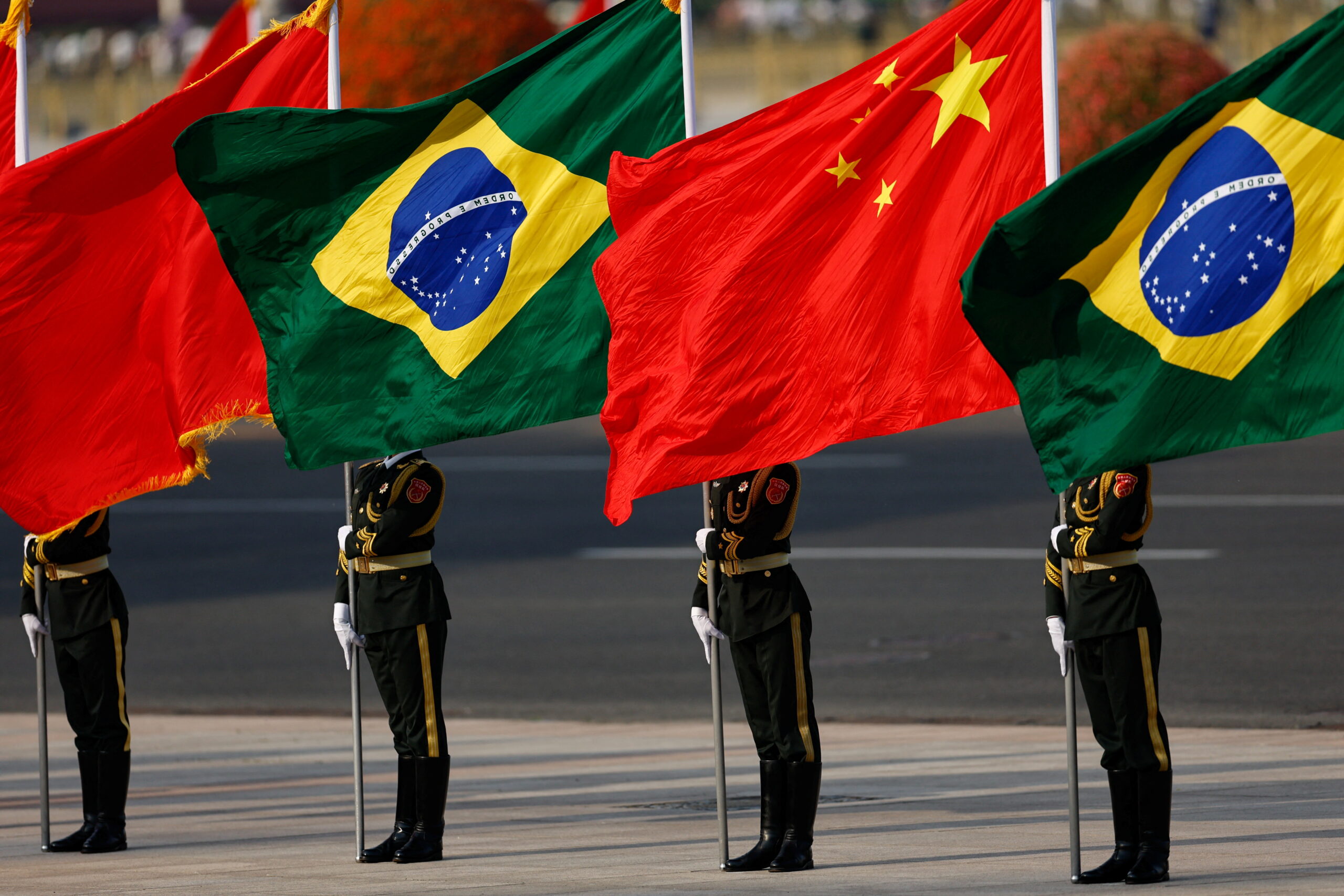
Washington is pushing Brazil toward China
Full Article
Original Source
Read the full article at Atlanticcouncil →KhanList aggregates and links to publicly available news content. We do not host full articles from third-party sources. Always verify important information with original sources.