
In a 6-3 opinion, the majority found the 2024 measure violated the state's single-subject requirement. Dissenting justices argued the entire measure should not have been struck down.(CN) — The Washington Supreme Court invalidated a 2024 voter-approved measure that sought to shield natural gas use and limit the state’s shift away from its climate goals, among other things, in a 6-3 en banc decision Thursday.In an opinion written by Chief Justice Debra Stephens, the majority found Initiative 2066 unconstitutional because it combined four separate subjects in violation of the state’s single-subject requirement.“It is impossible for us to assess which of these four subjects, if any, would have received majority support had they been presented alone at the November 2024 general election,” Stephens wrote. “I-2066 violates this single-subject rule because it includes several provisions with markedly distinct purposes and regulatory effects, embracing four distinct subjects. It is not possible by judicial construction to sever and save any of the separate provisions and therefore I-2066 is unconstitutional in its entirety.”The four subjects identified by the majority included: natural gas access and supply, restrictions on air quality authority, building code changes and amending the Washington Decarbonization Act for Large Combination Utilities. These subjects enacted distinct policies and therefore did not share rational unity, the majority ruled.“We have long recognized that though it is permissible for initiatives with general titles to encompass incidental subjects, this flexibility is not unlimited,” Stephens wrote. “I-2066 regulates several discrete subjects because it includes provisions with substantially distinct regulatory effects, e.g., requiring statewide natural gas access and use, limiting local authority over air quality standards, amending statewide building codes and repealing the Decarbonization Act’s severability clause.”Washington voters narrowly approved the measure with a 51.7% majority. However, it has been tied up in the courts after the clean energy nonprofit Climate Solutions filed a lawsuit against the state over its constitutionality.A King County Superior Court invalidated the initiative last year after it found that it encompassed more than one subject, failed to include the subjects in the title and failed to set forth the laws it amended. The state Supreme Court’s affirmation of this ruling found only that it violated the single-subject rule.“Initiative 2066 was a classic example of logrolling — packaging a host of different issues that confuse voters in order to ram through unpopular reforms that the public would not support,” said Dylan Plummer, a campaign advisor to the Clean Heat Campaign at the Sierra Club, which was also a plaintiff in the lawsuit. “The Supreme Court’s ruling is a clear refutation of this cynical tactic by the fossil fuel industry to roll back a host of energy efficiency, clean air and climate policy with this misleading initiative.”The decision restores certainty to several energy efficiency and building decarbonization efforts in Washington that had been left in limbo since the measure was passed, Climate Solutions said in the press release.“The Washington Supreme Court reaffirmed the basic constitutional requirement that a law — whether enacted by the Legislature or by initiative — cannot bundle distinct and unrelated policy changes into a single measure,” said Pacifica Law Group attorneys Paul Lawrence and Kai Smith, who represented the plaintiffs, in a statement. “I-2066 paired provisions regarding consumer access to natural gas with broader changes to the Clean Air Act, state building codes, and Washington’s climate policies. There is no way to know whether voters who wanted to preserve access to natural gas also supported all of those broader changes."However, the initiative was billed as a way to provide Washington consumers with energy choices as state officials tried to phase out natural gas, according to the Building Industry Association of Washington, or BIAW, which was also a defendant in the lawsuit.In his dissent, Justice Salvador Mungia wrote that the power of the people to enact their own laws is sacred.“When the people of this state disagree with a law that the Legislature has enacted, they have the power to restrict the legislative act so long as the restriction complies with our state constitution,” he wrote. “Our courts have an obligation to interpret initiatives in a way that sustains their validity when possible, and not in a way that will render them unconstitutional. That is the dispute here.”Mungia disagreed with the majority’s characterization of the entire initiative as unconstitutional. He wrote that, instead, only portions of it were.“Today’s decision represents a direct rejection of the clearly expressed will of Washington voters,” BIAW’s executive vice president, Greg Lane, said in a statement. “Nearly 2 million citizens voted in favor of Initiative 2066 because they believed families and businesses should retain the freedom to choose the energy source that best meets their needs. The court has now taken that choice away from them. This is government telling the people, ‘Your opinion doesn’t matter.’”Although the legal battle is over, Lane said it does not end the fight to protect energy choice in Washington state.Subscribe to our free newslettersOur weekly newsletter Closing Arguments offers the latest about ongoing trials, major litigation and rulings in courthouses around the U.S. and the world, while the monthly Under the Lights dishes the legal dirt from Hollywood, sports, Big Tech and the arts.Additional Reads
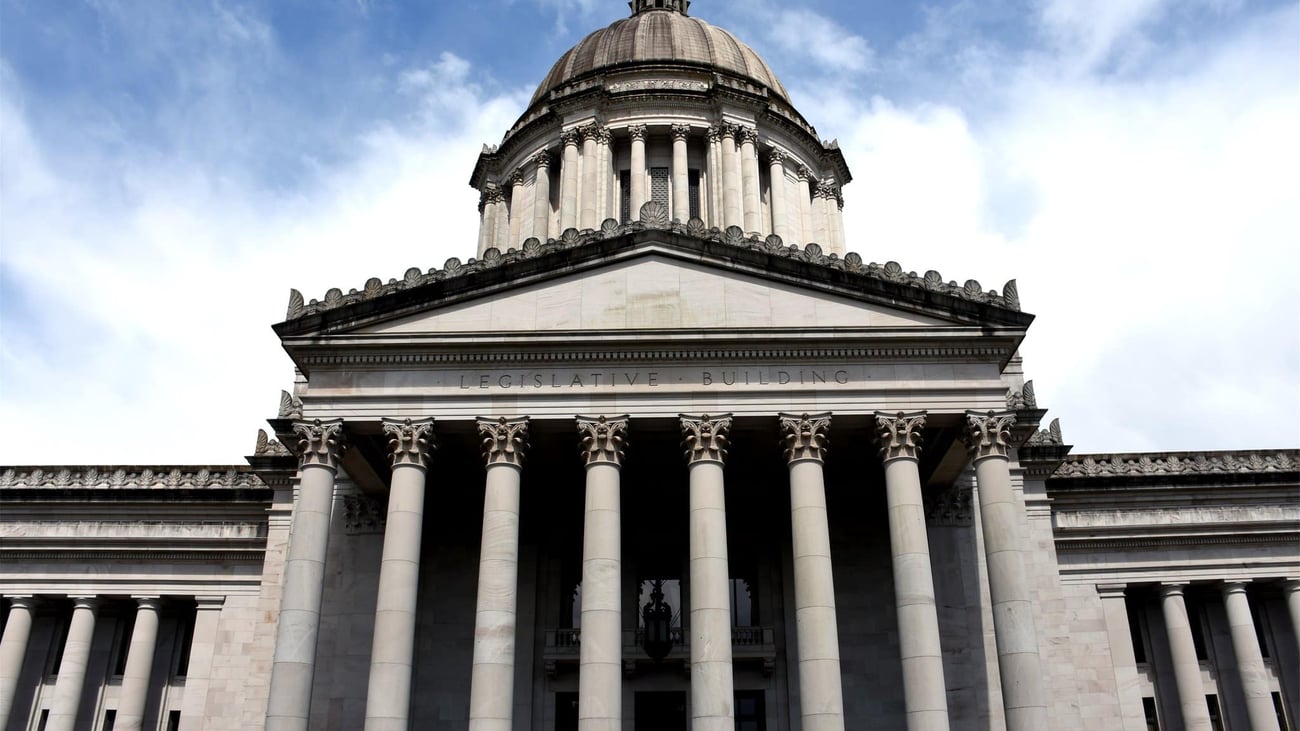
Washington high court voids voter-approved natural gas measure
Full Article
Original Source
Read the full article at Courthousenews →KhanList aggregates and links to publicly available news content. We do not host full articles from third-party sources. Always verify important information with original sources.