
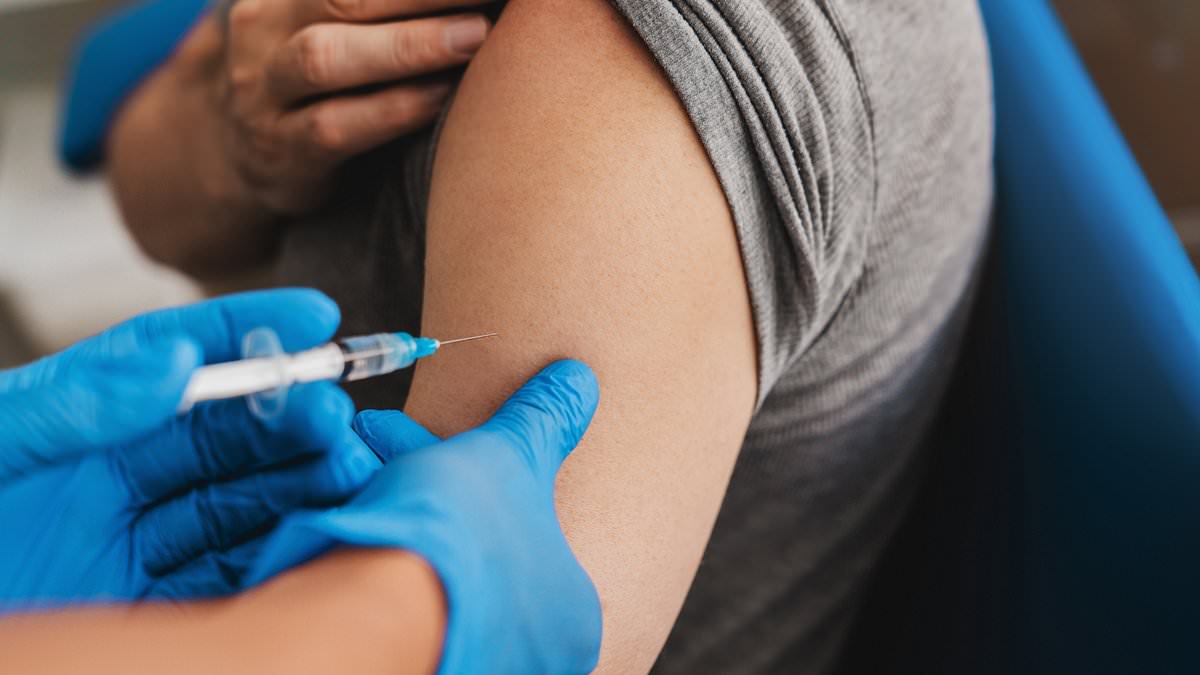
Patients who undergo steroid injections should be warned of the risk of potentially deadly allergic reactions a coroner has said, after a woman died following a routine jab at her GP surgery. Jane Turner, 77, from north London, was given the injection – often used to treat swollen or painful joints, or muscle pain – on the morning of September 12. She returned to the surgery exactly ten minutes later, complaining of shortness of breath. Five minutes later she suffered a peri-arrest, the critical time window immediately before a full cardiac arrest occurs – when the heart suddenly stops pumping blood around the body. An ambulance was called but Ms Turner died in hospital 16 days later.The cause of death was recorded as as injection-related allergic reaction, which led to a serious brain injury caused by a lack of oxygen. While the NHS website warns that steroid injections carry a 'rare' risk of complications, including deadly allergic reactions - known medically as anaphylaxis - there is currently no requirement for injectors to warn patients of this.But, according to coroner Mary Hassell, this is a potentially life-threatening oversight that could contribute to a significant number of preventable deaths. Up until now, it was not mandatory for all steroid injections to carry an anaphylaxis warning 'There is Department of Health guidance regarding the risk of severe life threatening reactions after immunisation, but no guidance regarding the risk following steroid injections.'This seems an omission,' she said. In a prevention of future deaths report sent to the Government, she added: 'Unless action is taken to address the concerns there is a significant risk of future deaths, and I believe that you have the power to take such action.' Anaphylaxis following a steroid injection is considered rare, with estimates suggesting it occurs in fewer than one in 100 patients receiving the treatment. Also known as hydrocortisone injections, the jabs are commonly used to treat joint pain and inflammation, and last for around two to three months. They can also dampen the immune system, making infections more likely. Other serious side effects include mood changes and adrenal gland issues, which can cause symptoms including fever, sinus pain, confusion, extreme thirst and breathlessness. Responding to the report, the Department of Health and Social Care offered its 'sincere condolences' to Ms Turner's family. Hydrocortisone injections, also called corticosteroid injections, are used to treat swollen or painful joints, painful tendons and arthritis It added that the UK's drug regulator, the Medicines and Healthcare products Regulatory Agency (MHRA), will now ensure that all steroid injections carry an anaphylaxis warning. 'The MHRA plan to begin formally reviewing the product information for all steroid injection licenses by the end of this year, to ensure that the warnings listed for anaphylaxis are appropriately presented and consistent,' it said. 'The MHRA takes reports from healthcare professions, patients and stakeholders very seriously.' The regulator continues to monitor reports of adverse reactions linked to steroid injections, including severe allergic reactions. The Resuscitation Council UK added: 'We agree that the prevention of future deaths requires careful consideration of whether patients undergoing such injections should be given consistent advice about the risk of severe allergic reactions and the period of observation after injection.' More than 70,000 people in the UK have at least one cortisone injection every year, although many have up to three. Research suggests the procedure costs the NHS around £40million every year. But some experts have warned the injections may actually worsen joint damage by accelerating the breakdown of cartilage, potentially increasing the likelihood of patients eventually requiring knee or hip replacements.
Warning over steroid jabs for painful joints after woman dies following shoulder injection: Coroner says there is 'no guidance' on potentially fatal reaction
Full Article
Original Source
Read the full article at Dailymail →KhanList aggregates and links to publicly available news content. We do not host full articles from third-party sources. Always verify important information with original sources.