
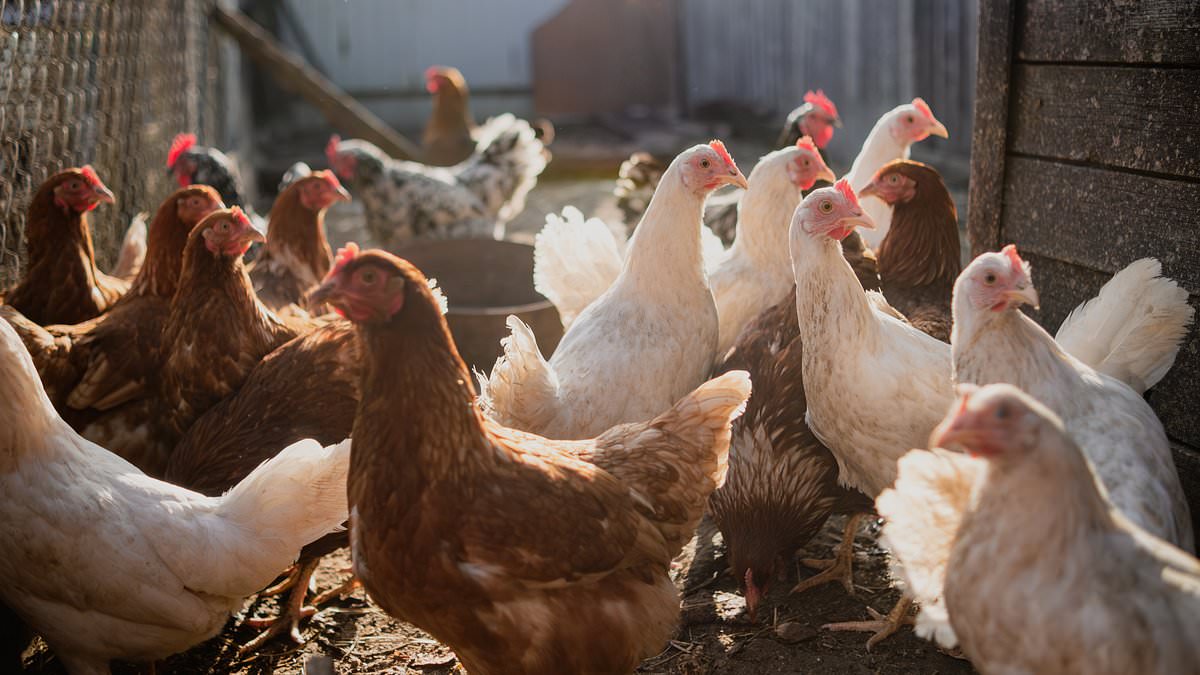
British campaigners have urged ministers to ban Brazilian meat from entering the UK, after traces of sex hormones and deadly salmonella were found in the country's beef and chicken. Meat from the South American nation could be a 'risk to public health', according to four UK farming unions - as meat produced there is not subject to the strict safety regulations it is in Europe.In May, food safety regulators found that 80 per cent of a batch of frozen chicken imported to Greece from Brazil contained traces of salmonella - a potentially deadly bacteria that's currently rising in the UK.Meanwhile, Brazilian carcasses from animals given the hormone oestrogen - banned by both the EU and the UK - were recently found to be mixed into shipments of beef imported to Europe, according to reports in Food Safety News. The nation has also failed to guarantee compliance with the EU's strict limits on using antibiotics to rear animals for food - which is crucial for fighting the deadly and growing crisis of antibiotic resistance.The more antibiotics we're exposed to, the higher the risk the potentially deadly bugs can adapt to survive the drugs designed to kill them, making vital medications less effective. From Thursday, imports of Brazilian meat will be banned across the European Union - and UK experts say Britain must follow suit.The National Farmers Union (NFU), NFU Scotland, Ulster Farmers’ Union and NFU Cymru have today issued a letter to Angela Eagle, Defra Secretary of State, calling for a UK-wide ban. The UK spend on Brazilian chickens has risen by at leas £2billion since 2021Imports to the UK from Brazil have risen strongly since Brexit, with the annual spend rising from £3billion in 2021, to £5billion last year. In 2024, poultry imports from the nation accounted for around 13 per cent of total chicken imports to the UK, according to a report by the Energy and Climate Intelligence Unit.British consumers may be unknowingly eating Brazilian meat, as the majority of imports are directed to the UK's food service sector - including restaurants, schools and hospitals - where origin labelling is not required, Food Safety News reported. 'Failure to act will only expose the nation to a public health risk, but damage consumer confidence in beef and poultry' the presidents of the four unions said in a joint statement. 'UK farmers have worked hard to cut antibiotic use and maintain some of the highest production standards in the world – we should demand the same of our imported food.'They added: 'The absence of any government response is unacceptable, particularly when there is a direct risk to public health.'However, previous analyses have found little evidence that salmonella in Brazilian chickens is resulting in UK human cases. Salmonella infections are up 25 per cent on previous figures, with many infections likely to have occurred in recent weeks A UK review published in 2022 in the journal PLoS Genetics concluded: 'Should salmonella from imported Brazilian poultry products reach UK consumers, they are very unlikely to be causing disease.'The warning comes amid Britain's growing salmonella outbreak that has so far killed two and sickened 474 people. Last week, The UK Health Security Agency (UKHSA) reported that cases had risen by 25 per cent over the last month alone. Investigations are ongoing but health chiefs believe imported eggs are the likely culprit for the crisis.British cases so far have been linked to eating out 'from small cafes, restaurants and takeaway businesses', said the UKHSA.Cases of salmonella are also being seen across other European countries – Austria, Belgium, Denmark, France, Germany and the Netherlands – with public health officials rushing to identify the exact source.Dutch health officials have investigated chicken products as a possible source of infection.The extensive risks posed by salmonella include stomach cramps, diarrhoea, severe dehydration, blood poisoning, organ failure and even death. Vulnerable groups – including over-65s, pregnant women and under-fives – have been advised to avoid runny eggs when eating out.The Food Standards Agency (FSA) said there was no evidence that UK-produced eggs were affected but urged anyone handling eggs, eggshells or packaging to wash their hands thoroughly in a bid to stop the spread. More than a third (38 per cent) of confirmed salmonella patients in Britain – including babies and others as old as 92 – required hospital treatment.In two cases the bacteria escaped the gut and entered the bloodstream – a potentially life-threatening complication.Most cases have been recorded in recent weeks and months, but the samples date back as far as August last year. The majority have been in England, with London and Yorkshire and Humber worst affected.However, health officials maintain that the risk to the general public from salmonella remains low.
Warning over 'risky' chicken imported from Brazil - fears over salmonella, hormones and antibiotics... as food poisoning outbreak grows
Full Article
Original Source
Read the full article at Dailymail →KhanList aggregates and links to publicly available news content. We do not host full articles from third-party sources. Always verify important information with original sources.