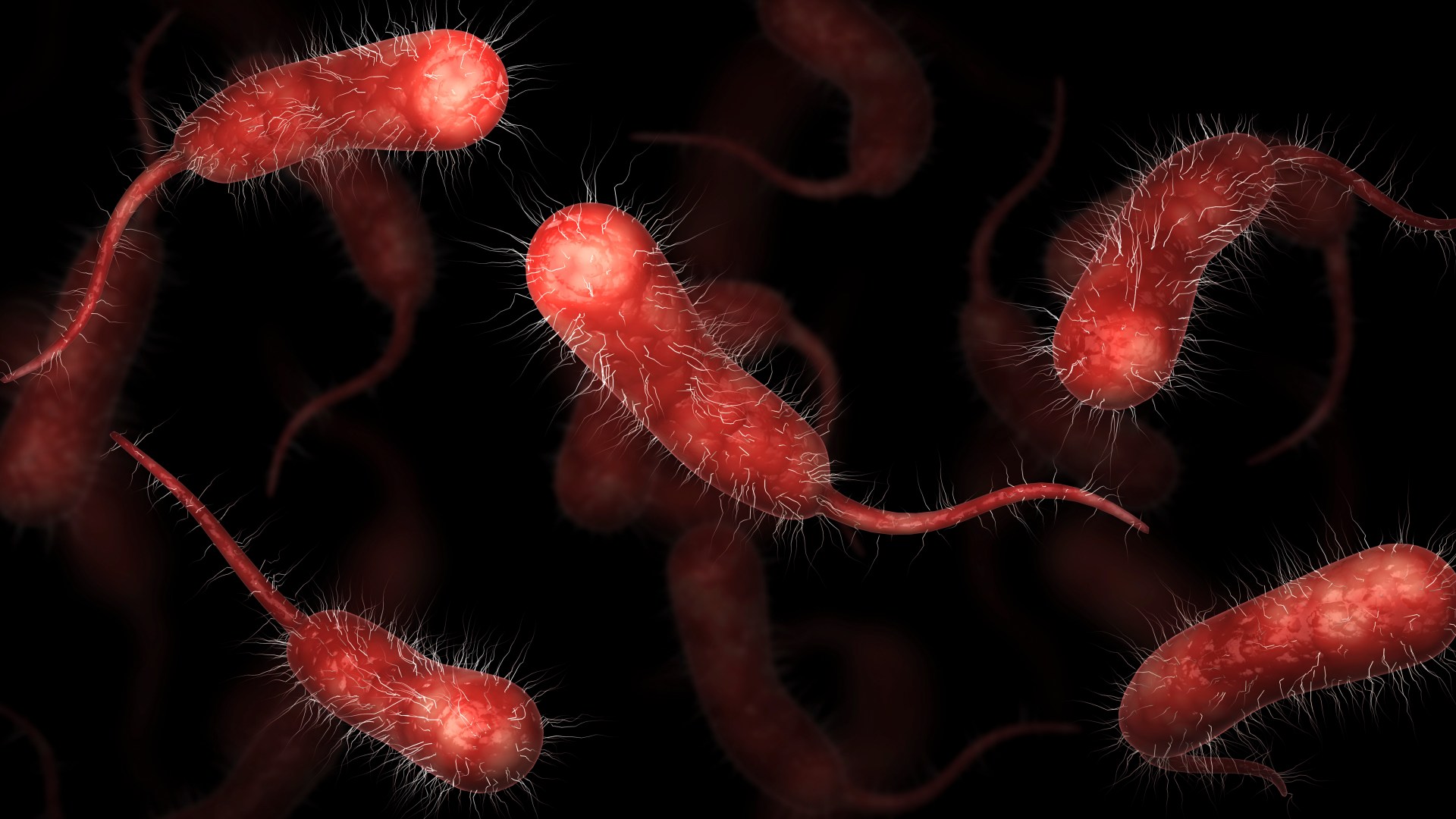
WITH summer holidays now in full swing, you’re probably itching to get away. But seven diseases surging in European holiday hotspots this summer threaten to derail your carefully laid plans. Spending time at the beach? A flesh-eating bug could be lurking in the warm shores. If you’re planning picnics and barbecues or tasting local delicacies abroad, you could be struck by a nasty case of food poisoning. Sign up for the Health newsletter Thank you! And don’t forget mozzies and ticks. A bite from an infected critter risks passing on a number of grim diseases, from dengue, chikungunya and West Nile virus, to Lyme disease and tick-borne encephalitis. It’s been a scorcher of a summer here in the UK, and this has also been the case for Europe – highlighted by the wildfires ravaging France, Spain and Greece. The heat is also a major problem when it comes to infectious diseases, with the European Centre for Disease Control and Prevention (ECDC) warning that the risk of illnesses grows ever larger as summers become longer and hotter in the continent. “While the current heatwaves are making headlines, it is the continuously higher temperatures of an ever longer duration that create the conditions for many infections to spread,” the health watchdog said. It revealed which summer diseases people should be wary of this summer if they’re spending time in Europe, and how travellers can protect themselves. Most read in Health 1. ‘Explosive’ diarrhoea Cyclosporiasis has caused havoc in the US and is cropping up in the UK too Credit: Getty Foodborne diseases have been making headlines this summer, with Cyclospora wreaking havoc across the US. The explosive diarrhoea-causing parasite has sickened thousands across 45 states and also cropped up in the UK, with increasing numbers of travellers returning from all-inclusive resorts in Mexico reporting symptoms. Food poisoning bugs should also be a concern for people going to Europe, the ECDC warned. “These are one of the most frequent summer illnesses, with warmer temperatures accelerating the risk of growth of bacteria in food,” the ECDC said. A parasite called cryptosporidium caused mayhem among British tourists in Spain in 2023. UK health authorities issued warnings following a sharp surge in cryptosporidiosis cases among tourists returning from areas like Salou (Catalonia), Majorca, and parts of the Canary Islands. The infections were traced back to contaminated hotel swimming pools, water parks and even unwashed buffet salads. Earlier this year, the UKHSA also flagged cases of salmonella linked to travel to Cape Verde. Between October 2025 and February 2026, 43 travellers – in three separate clusters – developed the nasty bug. Protect yourself from foodborne bugs Cook food thoroughly, particularly poultry and other meats. Wash fruit and vegetables before eating them. Wash your hands and kitchen surfaces properly before and after cooking. Keep raw and cooked foods on separate plates and use separate kitchen tools. Store perishable foods safely and keep refrigerators at 5°C or below. Avoid washing raw chicken or consuming unpasteurised products. 2. Swimming parasites Vibrio are a type of bacteria often found in warm or brackish water – when freshwater and seawater mix – which thrive when temperatures ramp up during the summer. They can cause mild infections if contaminated water gets into a scratch or wound while swimming – but infections can be life-threatening, even fatal for some. The ECDC recently named 11 countries where swimmers could face a higher risk of Vibrio infection, using satellite data on sea surface temperature and sea salt concentration data to predict where bacteria levels could be higher. They include: Bulgaria Denmark Estonia Finland France Germany The Netherlands Norway Poland Romania Sweden Coastal areas across Europe could face higher levels of Vibrio vulnificus bacteria this summer Credit: Vibrio Viewer The ECDC monitors satellite data to identify coastal areas at risk of high vibrio levels Credit: Vibrio Viewer With soaring temperatures hitting Europe in recent weeks, the watchdog said the risk of Vibrio infections had risen “quickly to unusually high levels for so early in the season”. Concentrations of the bacteria in Europe’s coastal waters are likely to increase. It was reported last month that some Spanish beaches were temporarily closed after the deadly bacteria was spotted in coastal waters. Exposure to Vibrio bacteria in water can make wounds infected, causing redness, swelling and pain. In rare cases, the infection can spread to the blood and cause sepsis, which can be life‑threatening. The bacteria can sometimes be present in raw or undercooked seafood, causing diarrhoea, stomach cramps, nausea, vomiting and fever. People with weakened immune systems, chronic liver conditions or other underlying health conditions are at higher risk of severe illness. Protect yourself from vibriosis Avoid swimming with open wounds, recent piercings or cuts, or cover them with a waterproof dressing. Wash cuts, scratches and wounds with clean fresh water after contact with seawater. Avoid eating raw or undercooked shellfish, particularly oysters. Cook seafood thoroughly. 3. Mosquito-borne bugs “Longer warm and humid seasons are allowing invasive mosquitoes to thrive in regions where they were previously rare or not present at all,” the ECDC said. This means travellers could be at risk of contracting dengue, chikungunya and West Nile virus. These diseases “are becoming an increasing public health concern in Europe”, with transmission within the continent becoming more frequent, according to the ECDC. Last year, Europe saw a sharp rise in such mosquito-borne infections, with West Nile cases surging 40 per cent above the average for the past decade. Last year, Europe saw a sharp rise in mosquito-borne infections Credit: Getty Thirteen countries reported 989 locally acquired cases, with most in Italy. Meanwhile, France and Italy recorded more than 1,000 cases of chikungunya between them last year. But only 35 dengue cases were detected in France, Italy and Portugal last year. Mosquito-borne infections can cause fever, headaches, muscle and joint pain, nausea and vomiting. With treatment, most people recover but some might come down with severe illness, which could prove fatal. What can I do to prevent mosquito bites? If you are travelling to an area affected by diseases such as malaria, dengue fever and yellow fever, spread by mosquitoes, you should take action to protect yourself. Some mosquitoes are more active in the day time while others at night – so it is important to protect yourself at all times. It says: “If you develop a high temperature (fever) either during or after travelling to an affected area, you should seek medical advice as soon as possible and give details of your recent travel history.” To protect yourself: Use a good quality insect repellent The higher the strength, the longer the repellent should prevent mosquitoes landing on you. An effective repellent contains at least one of; DEET (50% concentration for areas where there is malaria), Icaradin/Picardin (at least 20% concentration, Eucalyptus citriodora oil, hydrated, cyclized (at least 30% concentration), IR3535 (but not for malaria areas). Apply: On all areas of skin not covered by clothes After sun screen Regularly, particularly if you notice mosquitoes around you After swimming, washing or excessive sweating On the face, by spraying the repellent on the hands first Loose clothing Mosquitoes can bite through tight clothing, so loose-fitted clothing is ideal. Consider a high neckline, long sleeves, long trousers and socks. Remember to apply insect repellent on areas not clothed. Mosquito nets Mosquito nets can protect you at night when sleeping and are even better if treated with insecticide. Check for any holes in the net before using it. If a hole is apparent, then this should be repaired. You should tuck the net under your mattress or ground sheet during the night, and either collapse it down, or keep it tucked up during the day to stop insects flying under and into the net. Source: Fit for Travel 4. Tick-borne diseases Ticks are common across Europe, but milder springs and autumns and warmer summers mean they’re active for longer. The critters are commonly found in forests, grasslands, parks and other areas with vegetation. Infected ticks can transmit Lyme disease, a bacterial infection that can cause chronic health issues. They can also pass on tick-borne encephalitis (TBE), which can lead to serious long-term complications. The illness begins with flu-like symptoms before progressing to a more serious second phase with meningitis and swelling of the brain in a quarter of cases. Two cases of CCHF have been detected in Salamanca this year Credit: Getty If a tick embeds in the skin it’s vital to remove it with a tick removal tool Credit: Alamy Most patients with tick-borne encephalitis will recover, but a third may suffer long-term complications, including convulsions and paralysis. Last week, it was reported that two people in Spain had been diagnosed with Crimean-Congo haemorrhagic fever (CCHF) – a deadly virus that can kill up to 40 per cent of its victims. It can cause severe bleeding and multiple organ failure. The disease is more common in countries across Africa, the Middle East, and western and south-central Asia, where ticks carrying the virus are endemic. But it is becoming an emerging threat in Europe, according to the ECDC. Protect yourself from ticks Use insect repellent and wear long sleeves and long trousers when spending time in areas where ticks may be present. Stay on paths where possible and avoid unnecessary contact with vegetation. Check yourself, your children and your pets for ticks after outdoor activities. Remove attached ticks as soon as possible and monitor yourself for symptoms. Consider vaccination against tick-borne encephalitis where recommended. Comment now
Warning as 7 killer diseases surge in European holiday hotspots – from swimming parasite to ‘explosive’ diarrhoea
Full Article
Original Source
Read the full article at Thesun →KhanList aggregates and links to publicly available news content. We do not host full articles from third-party sources. Always verify important information with original sources.