
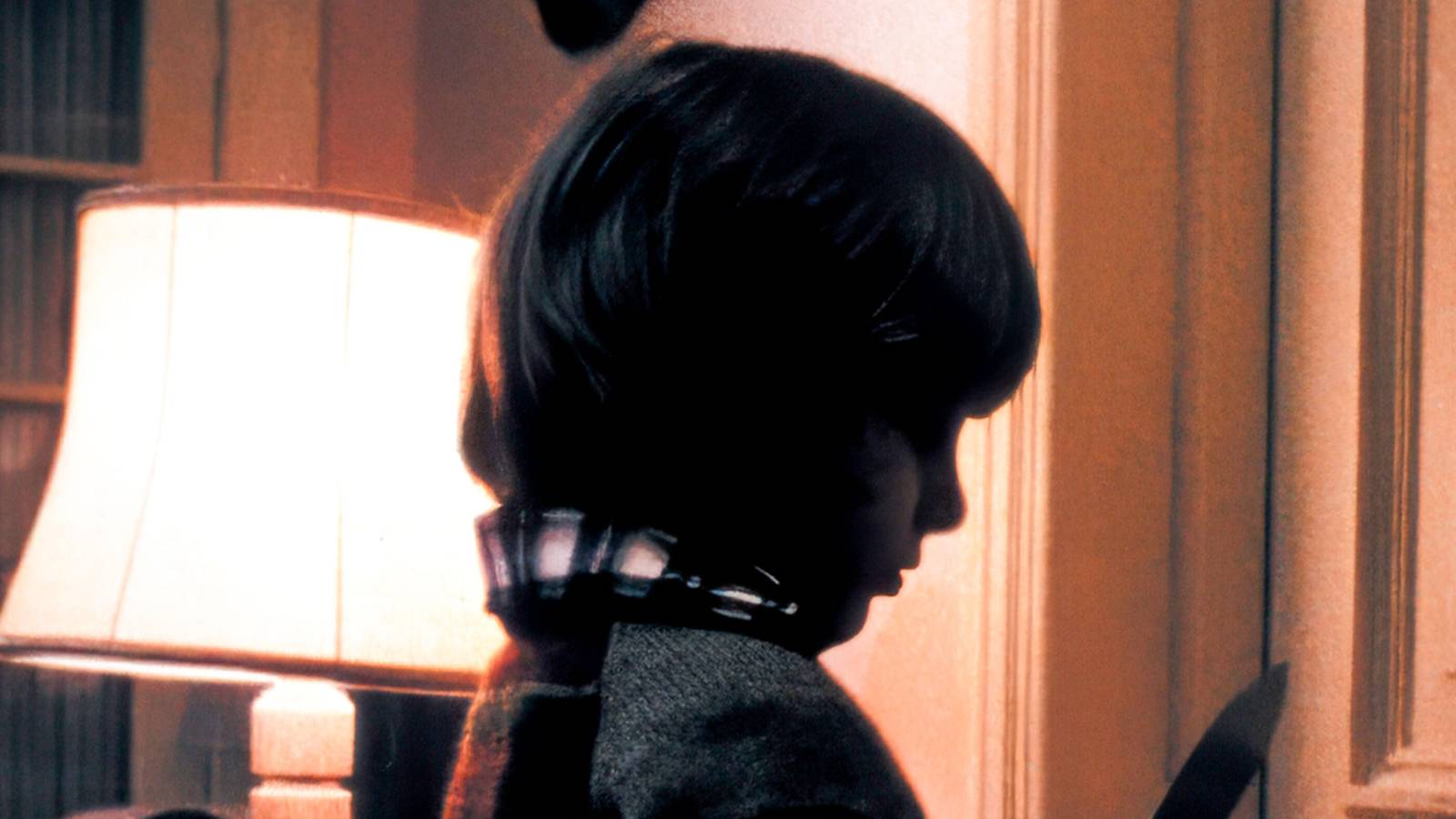
Image via Warner Bros. Pictures Published Oct 29, 2026, 6:03 AM EDT Rotten Tomatoes | Letterboxd | Metacritic Carolyn Jenkins is a voracious consumer of film and television. She graduated from Long Island University with an MFA in Screenwriting and Producing where she learned the art of character, plot, and structure. The best teacher is absorbing media and she spends her time reading about different worlds from teen angst to the universe of Stephen King. Sign in to your Collider account If there is one thing every Stephen King fan knows, it is the controversy surrounding his most well-known title. While Carrie was the first book to be slated for adaptation, Stanley Kubrick’s The Shining remains most people’s pop culture reference for the king of horror. When the movie first premiered in 1980, however, this was less than ideal for the author. King was vocal about the changes made to the source material, a fact that had not been an issue during Brian De Palma’s highly rated version of Carrie. Kubrick took certain liberties with the source material about the famous haunted hotel and the Torrance family, who became its caretakers. The casting of Jack Nicholson in the role of Jack Torrance turned an everyman into a straight-up villain with a minimal character arc. Nevertheless, Kubrick churned out one of the greatest horror movies of all time in an early adaptation of one of King’s most notable works. ‘The Shining’ Became Iconic in Its Own Way Stephen King raised some valid concerns about the characters he created, but on its own, The Shining is a feat in filmmaking. Stanley Kubrick’s changes ended up creating an iconic film that no other King adaptation has been able to touch. Aspects of Jack’s character were made edgier by Jack Nicholson’s portrayal in a performance that no one can deny. The biggest contrast to the source material was that Jack seemed to always be evil in movie canon. His manic energy and Nicholson’s definitive performance make that clear. The hotel just seized upon it. The book instead shows that Jack was a good person at heart, but his personal demons were weaponized by the evils at the Overlook. This small change, as controversial as it may seem, made The Shining a classic. Nicholson owns every room he’s in during the narrative, delving deeper and deeper into the madness of a husband. His actions in the movie are genuinely scary because they show the horrifying depiction of a family annihilator. Other portrayals, however, were spot on. Kubrick took the scares from the book and translated them to the visual medium. It is remembered as one of the best horror movies of all time and it earns that moniker. All in all, it is easy to underestimate how difficult The Shining is to adapt. Much of Jack’s inner turmoil is cerebral, which is difficult to depict onscreen. Kubrick elected to externalize it with other forces and Jack’s relationship with insanity. The Shining is ultimately a winning adaptation and was proven to be so after the Steven Weber version was released in the ‘90s. King insisted on making a miniseries that was as faithful to the novel as it could possibly be, even if it was to the adaptation’s detriment. This version of The Shining proved that changes could and should be made for a visual medium. Where it counted, Warner Bros. translated the source material into an engaging and genuinely horrifying piece of cinema that remains on all best horror lists to this day. While not a perfect movie, it should remain in the collective memory of film forever. Release Date May 23, 1980 Runtime 144 minutes Director Stanley Kubrick Cast Shelley Duvall Wendy Torrance
Warner Bros. Deserves Credit for Successfully Adapting Stephen King's Most Difficult Thriller
Full Article
Original Source
Read the full article at Collider →KhanList aggregates and links to publicly available news content. We do not host full articles from third-party sources. Always verify important information with original sources.