
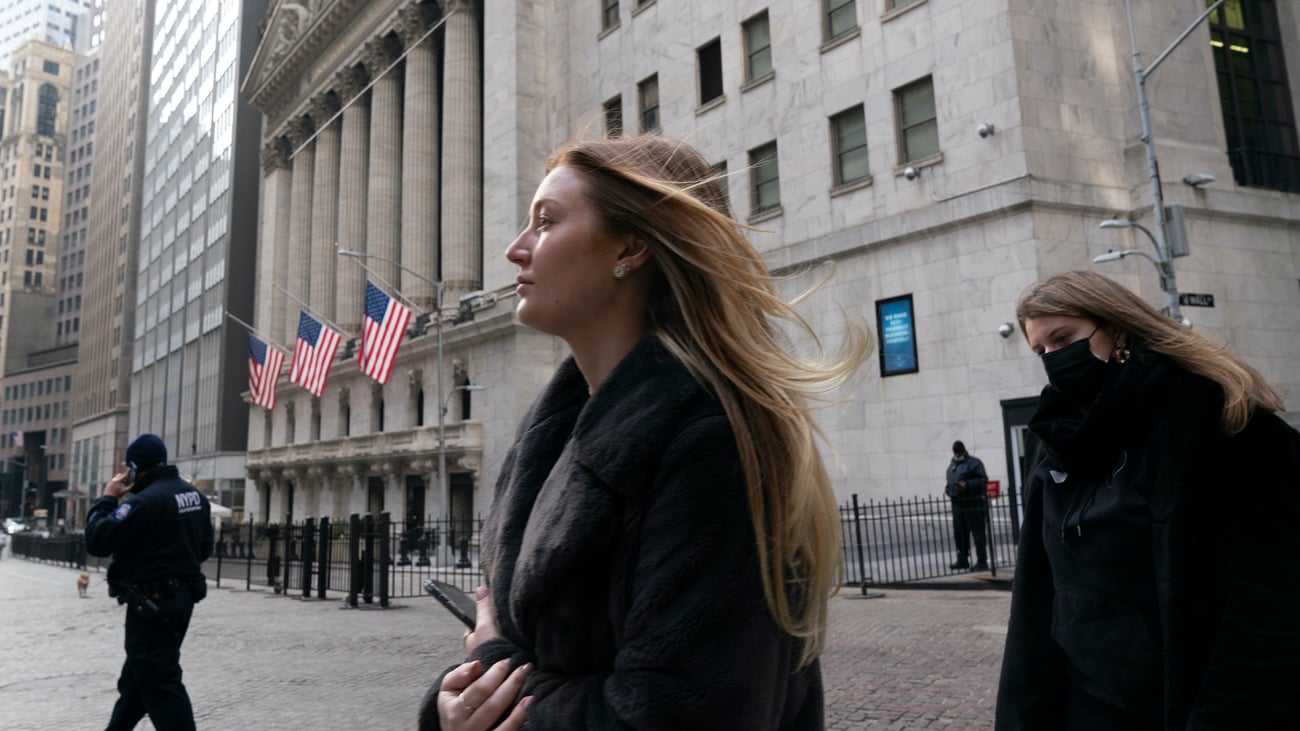
The Federal Reserve increased interest rates this week, but investors remained centered on bond yields, which continued to rise amidst higher oil prices.MANHATTAN (CN) — Investors had mixed reaction this week to the Federal Reserve’s first interest rate hike in three years, as attention shifted to the bond markets and oil prices instead.The Fed’s decision on Wednesday, which raised interest rates by 25 basis points, elicited a negative reaction from Wall Street, though the following day saw a recovery among equities.By the closing bell on Friday, major U.S. indexes had gone in different directions, with the Dow Jones Industrial Average losing 899 points, the S&P 500 dropping seven points, and the Nasdaq gaining 189 points.The slight increase was largely expected by investors, but others may have been surprised by the move, as well as the accompanying “dot plot” that shows most of the members of the Federal Open Market Committee favoring three more rate hikes over the 15 months.The reaction from the White House, which has been pushed for rate cuts, was muted. President Trump, who had previously threatened additional trade wars and wants rates at “1% or less,” expressed resignation at the board’s vote, telling reporters “I talked to Kevin, and I said ‘you might as well vote with the board because it’s not going to matter.’”Earlier in the week, the yield on the 10-year Treasury topped 5%, the highest they have been since 2007, settling just above 5% by the week’s end.Warsh told reporters after the FOMC meeting that “situation hot spots around the world are driving long-term yields” and not just economic growth or oil prices. However, with barrels of Brent crude topping $100 consistently for the past weeks, the Fed’s ammunition in controlling inflation seems limited.Peter Boockvar, chief investment officer at One Point BFG Wealth Partners, wrote in an investor’s note, “The bond market has wrestled control of rates from them and all the Fed is doing is refining policy around the edges.”Still, the Fed may continue trying to curtail rising prices, and other economic data this week support expectations that the central bank is not done raising interest rates.Early in the week, the Empire State manufacturing survey missed expectations, with the general business conditions index hitting 7.6 points instead of the double digits most had predicted. However, manufacturing remains in positive territory, and most surveyed firms maintained an optimistic outlook.Retail sales for August also exceeded expectations, rising 1.2% compared with the 0.8% most economists had forecast. While the 3.1% jump in gasoline station sales certainly played a part, other areas saw healthy increases.Excluding volatile vehicles, gasoline, and building materials, core retail sales rose 5.6% from a year ago. Online retail sales enjoyed a big 2.6% jump in sales over July, while restaurants and bars saw a 1.6% boost in sales.“The economy is healthy enough to withstand a few rate hikes, keeping the Federal Reserve’s attention firmly on the upside risks to inflation,” Michael Pearce, chief U.S. economist at Oxford Economics, wrote in an investors note.Consumer spending may not continue across all income groups, however. Pearce noted he expects “a deeper bifurcation in consumer spending” over the rest of the year, with lower- and middle-income households feeling the pinch from gas prices.Subscribe to our free newslettersOur weekly newsletter Closing Arguments offers the latest about ongoing trials, major litigation and rulings in courthouses around the U.S. and the world, while the monthly Under the Lights dishes the legal dirt from Hollywood, sports, Big Tech and the arts.Additional Reads
Wall Street turns focus to bonds after Fed rate hike as indexes split
Full Article
Original Source
Read the full article at Courthousenews →KhanList aggregates and links to publicly available news content. We do not host full articles from third-party sources. Always verify important information with original sources.