
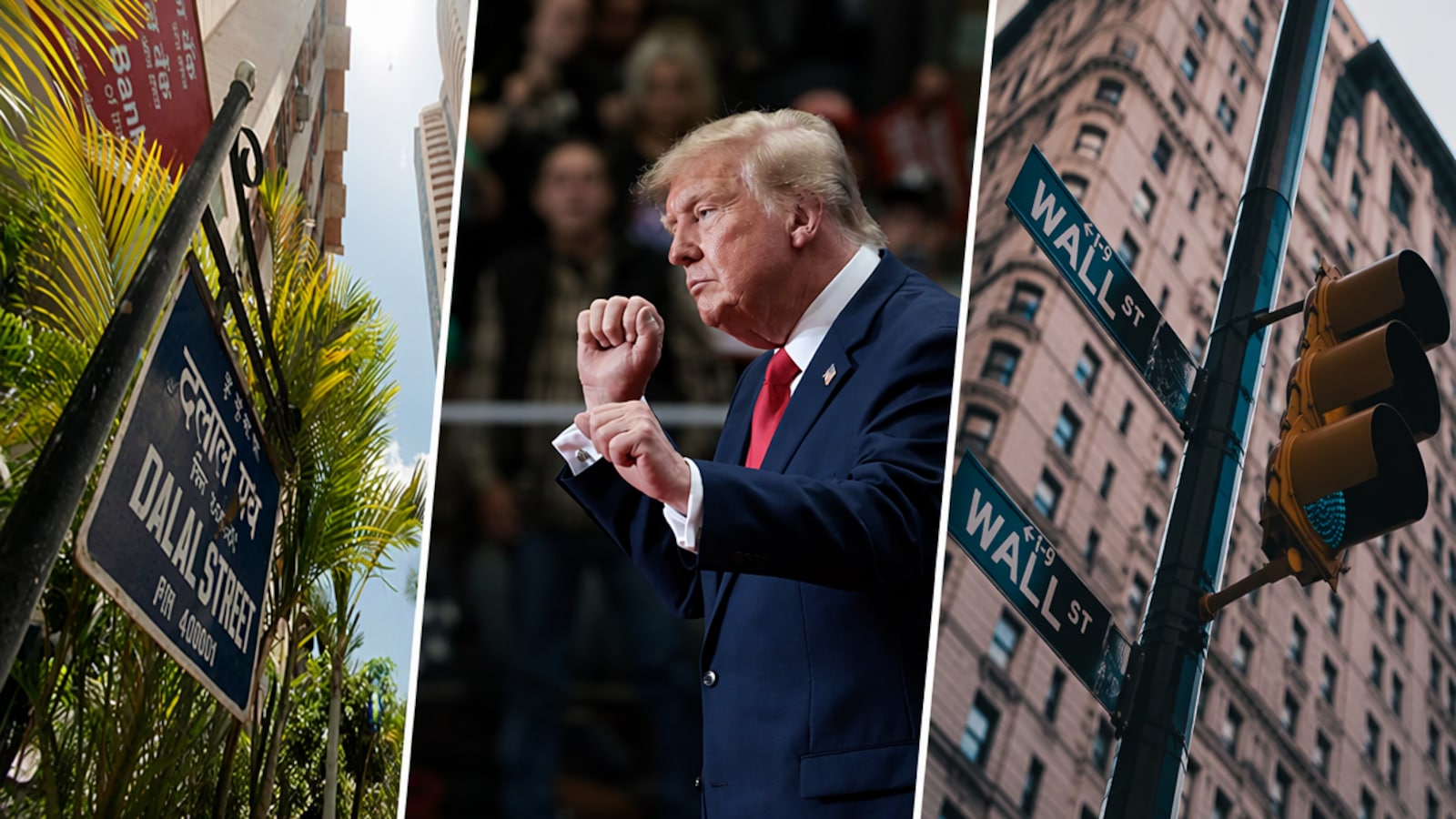
US is heading for its midterm elections on Tuesday (November 3), but global stock markets are preparing for possible volatility. Investors on both Wall Street and Dalal Street are watching closely for clues on interest rates, government spending, trade policy and corporate earnings.With Democrats gaining ground in key Senate battlegrounds, the possibility of a shift in congressional control has added another layer of uncertainty for investors. The latest New York Times-Siena polls show Democrats leading in several Republican-held states, potentially putting the Senate majority within reach. But the election may not necessarily decide whether US or Indian stocks rally. What matters more is how its outcome influences bond yields, the dollar, oil prices and the outlook for corporate profits. "My assessment is that the US midterms will influence equity markets principally by altering expectations about corporate earnings and the cost of capital," Sohom Banerjee, senior economic and AI expert, told NDTV.Also Read | Layoffs Are Rising In Tech, But These Skills Are Helping People Unlock Better PayA decisive result could reduce political uncertainty and improve investor sentiment. However, Banerjee cautioned that the sustainability of any rally would depend on the policies that follow.Why Wall Street Could Rally After The US MidtermsHistorical trends offer some encouragement to US investors.JP Morgan Asset Management data shows that the S&P 500 advanced in the 12 months following every midterm election since 1950, delivering average gains of around 15 per cent.However, the historical record is not a guarantee of future returns. Monetary policy, economic recoveries and valuations have also influenced market performance during these periods.Morgan Stanley expects the election itself to have limited implications for policies that matter most to markets, with trade, geopolitics and regulatory decisions likely to remain more consequential. The political outcome could nevertheless influence sector-specific performance. Continued Republican control could preserve greater scope for President Donald Trump's legislative agenda, including tax and regulatory measures. A Democratic-controlled House could constrain major legislation and increase scrutiny of the administration.A divided Congress could also reduce the likelihood of sweeping policy changes, even as disagreements over government funding and the debt ceiling create fresh uncertainty."The central US market tension is between fiscal support for earnings and the financing costs it can generate," Banerjee said.Tax concessions and government spending could support corporate profits. But if they increase borrowing requirements or inflation expectations, Treasury yields could rise, making equities less attractive.India Stock Market: Why The US Election Matters For Nifty And SensexFor Indian investors, the transmission mechanism is more important than the political winner.US Treasury yields and the dollar are among the most immediate channels through which the election could influence Indian equities. Higher American bond yields can make emerging-market investments less attractive, potentially encouraging foreign investors to reduce exposure to Indian stocks.A stronger dollar can add pressure on the rupee and amplify volatility in domestic markets.Banerjee said the consequences for India would be transmitted through US Treasury yields, the dollar, energy prices and export demand. These factors could create different outcomes for Wall Street and Dalal Street, even if both initially respond positively to greater political clarity.The impact could be particularly visible in Indian IT stocks.The US remains a major market for India's software services industry. Strong American technology spending could support IT companies' revenue growth, while a slowdown in corporate technology budgets could weaken demand for outsourcing and digital transformation services.Rupee depreciation may improve the translation of overseas earnings into domestic currency. But it cannot fully offset falling orders, pricing pressure or higher operating costs.Crude Oil Could Decide India's Market ReactionOil prices could prove another critical variable for Indian equities.Higher crude prices increase India's import bill and can put pressure on inflation, the rupee and corporate margins. Airlines, paints and other energy-intensive businesses could face higher costs, while upstream oil producers may benefit.A favourable US election outcome for equities may therefore not translate into an equally favourable outcome for India if oil prices rise sharply.Will Indian Stocks Rally If US Markets Rise?Not necessarily. Historical data suggests that Indian equities have not consistently mirrored the post-midterm performance of US stocks.An analysis of Indian market returns since 1998 found average returns of 4 per cent over six months and 26 per cent over 12 months following US midterms. The performance, however, was not uniform across election cycles. Domestic earnings, valuations and foreign investor flows will remain important determinants of the Nifty and Sensex. Banerjee believes the midterms are more likely to reshape relative market and sector performance than determine a uniform global direction.The most favourable scenario for Indian equities would combine resilient US demand, moderate Treasury yields, affordable oil and predictable trade access.A rally on Wall Street could coexist with pressure on Dalal Street if US bond yields rise or the dollar strengthens. Conversely, moderating yields and steady American growth could provide a supportive backdrop for Indian stocks.What Investors Should Watch After The US MidtermsThe election result may dominate headlines on November 3, but investors will need to look beyond the vote to understand its market implications. The key indicators to track will be:US Treasury yields: Whether borrowing costs rise or ease after the election.Dollar and rupee: Whether currency movements encourage or discourage foreign investment in India.Crude oil prices: Whether energy costs put additional pressure on Indian businesses.US technology spending: Whether American companies continue investing in AI and digital services.Foreign investor flows: Whether global funds increase or reduce their exposure to Indian equities.Corporate earnings: Whether companies deliver profits that justify their market valuations.Banerjee said the decisive evidence would emerge from earnings revisions, bond yields, crude prices and sustained portfolio flows rather than the election-day reaction alone.
Wall Street May Cheer US Midterm Election. Dalal Street Might Not
Full Article
Original Source
Read the full article at Ndtv →KhanList aggregates and links to publicly available news content. We do not host full articles from third-party sources. Always verify important information with original sources.