
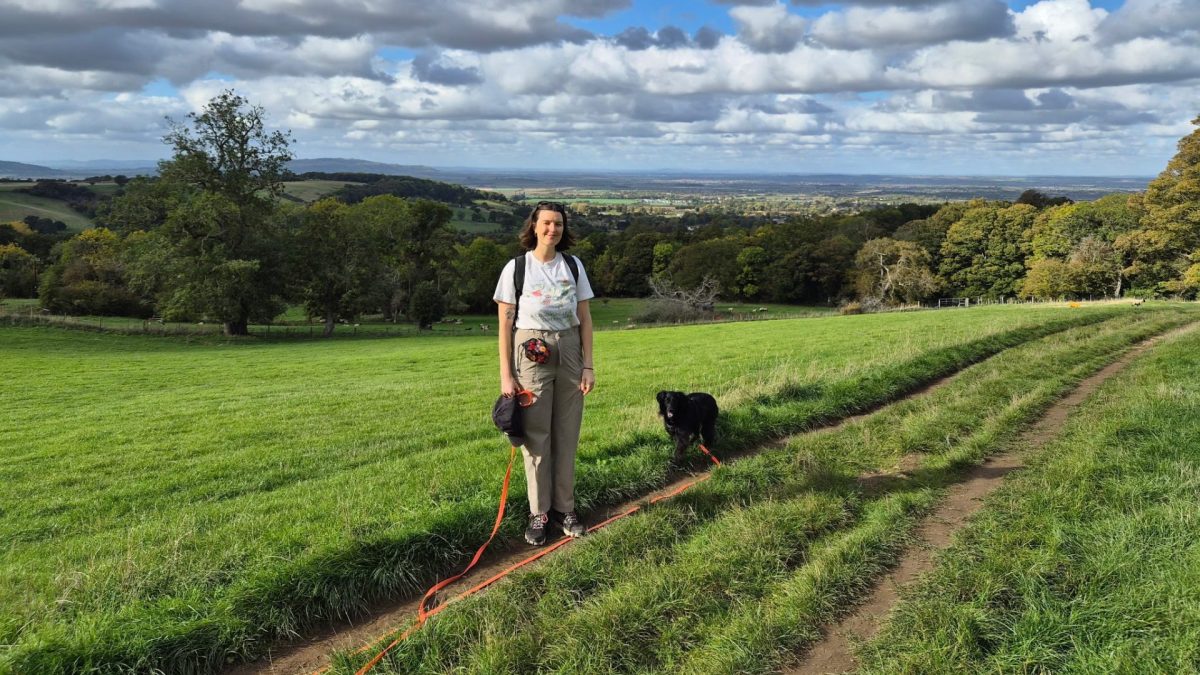
The Cotswolds is classic autumn break territory. What could be a more archetypally British way to embrace the season than a jaunt through the rolling hills and crisp leaves that surround the idyllic villages? But well-trodden ground doesn’t mean confining yourself to the tourist trail. As my wife and I found during a mini-break with our rowdy cockapoo, there are plenty of scenic spots to escape the crowds if you head out on foot. We planted our flag at the Fish Hotel, one of three luxury accommodations on the Farncombe estate, just outside the honeypot village of Broadway. Spread across several buildings, the Fish has everything you might need for an escape to the country: a boot room with maps and wellies, a dog-washing station, playgrounds for both children and pets, and great food. Hook by Martin Burge, the main restaurant on the estate, serves a seafood-anchored menu so popular with the Cotswolds at large it’s worth booking ahead. The seafood was unsurprisingly good but weeks later, I’m still thinking about the strawberry Paris-Brest. The pet-friendliness was particularly impressive: the dining area had a separate room where guests with dogs could sit, meaning they could still enjoy a meal out without bothering the other guests, who might not want someone sniffing at their plate. Our dog, Mona, was particularly pleased with the breakfast sausage service. But we weren’t in the Cotswolds just to swan around the estate like extras in Rivals – we had come for a yomp along the Cotswold Way, a 102-mile national trail running from Chipping Campden (a couple of miles from the hotel) in the north to Bath in the south west. Using the AllTrails app – which lists thousands of trail maps and peer reviews – we charted a multi-day course for the weekend that would cover about 14 miles in total and take us to three different villages.We started in Stanton, a picturesque Gloucestershire village that feels like stepping into another century. And for good reason: in the early 1900s, a lot of the village was bought and carefully restored by renowned cotton mill architect Sir Philip Sidney Stott. The beautiful village of Stanton (Photo: chrisdorney/Getty/iStockphoto) After parking in the free car park, we slowly wandered between golden Cotswold limestone buildings, pointing out particularly impressive thatched roofs. It was quiet, bar the occasional horse rider gently clopping past. We continued our walk south on the Cotswold Way. Our plan was to cover about eight miles to the next village, a distance that felt challenging with the hilly terrain, but still manageable.The walk was glorious: a clearly marked but quiet path, beautiful and shifting views of the land swathed in autumnal colours, and a lot of sheep. We even had our own Railway Children moment when we saw a steam train chuffing across the landscape. The Gloucester Warwickshire Steam Railway roughly follows the Cotswold Way between Broadway and Cheltenham and was pulling into Winchcombe – our next stop. After a three-hour hike, we arrived at the historic market town. Its high street is lined with yet more honey-coloured limestone, but in Winchcombe they’re shuffled between charming, late-medieval timber-framed buildings. More bustling than Stanton, the street is lined with small businesses, a bakery, a couple of cafes and country pubs. Broadway Tower, near the village (Photo: Raylipscombe/Getty/iStock Unreleased) We passed a few “Walkers are Welcome” signs on our way in; the national initiative for walker-friendly towns and villages has been going since 2007 and Winchcombe was the first in the Cotswolds to achieve the accreditation, in 2009. From here you can not only join the Cotswold Way, but the Gloucestershire Way, the Isbourne Way and the Winchcombe Way, too. Instead, we ducked into the White Hart Inn, which dates to 1554, for a hearty ploughman’s and a pot of tea before returning to Stanton by taxi. The next day, due to an irritated knee, we decided to change our route in the app; we’d still start in Broadway as planned, but take a shorter walk up to Broadway tower instead of walking to Stanton. Broadway is by far the best known of the villages we visited. The so-called “jewel of the Cotswolds” draws visitors to its remarkably wide and tree-lined high street flanked by independent boutiques, galleries, cafes and historic coaching inns. It forms part of the Cotswold Way, although this time we followed it in the opposite direction towards Chipping Campden. After swerving oblivious pheasants and navigating the occasional A-road, we arrived in the well-maintained grounds of Broadway tower, peering down on to misty views over the countryside. The main street of Winchcombe (Photo: Eduardo Fonseca Arraes/Getty/Moment Unreleased RF) The tower, dreamt up by Capability Brown in the 18th century, is bedecked with turrets, battlements and gargoyles. It’s also perched on one of the highest points of the Cotswolds, rewarding hikers with magnificent views. This being Sunday afternoon, it was peak visit local landmark time, but the return leg of our six-mile walk took us along paths that were quieter and more meandering, through steep forests, fields of sheep and past small churches. Back in town, we bought a print from the boutique Royle Collective, toasties and doughnuts from Guilt Trip and some treats from Cotswold Chocolate. The tour buses seemed to have come and gone in the time we’d been walking, so we were able to enjoy Broadway with fewer people around. This, we decided, was the joy of a weekend walking break – doing things at our own pace, and skipping the crowds. The writer was hosted by AllTrails
Walking the Cotswold Way took me to quiet villages off the tourist trail
Full Article
Original Source
Read the full article at Inews →KhanList aggregates and links to publicly available news content. We do not host full articles from third-party sources. Always verify important information with original sources.