
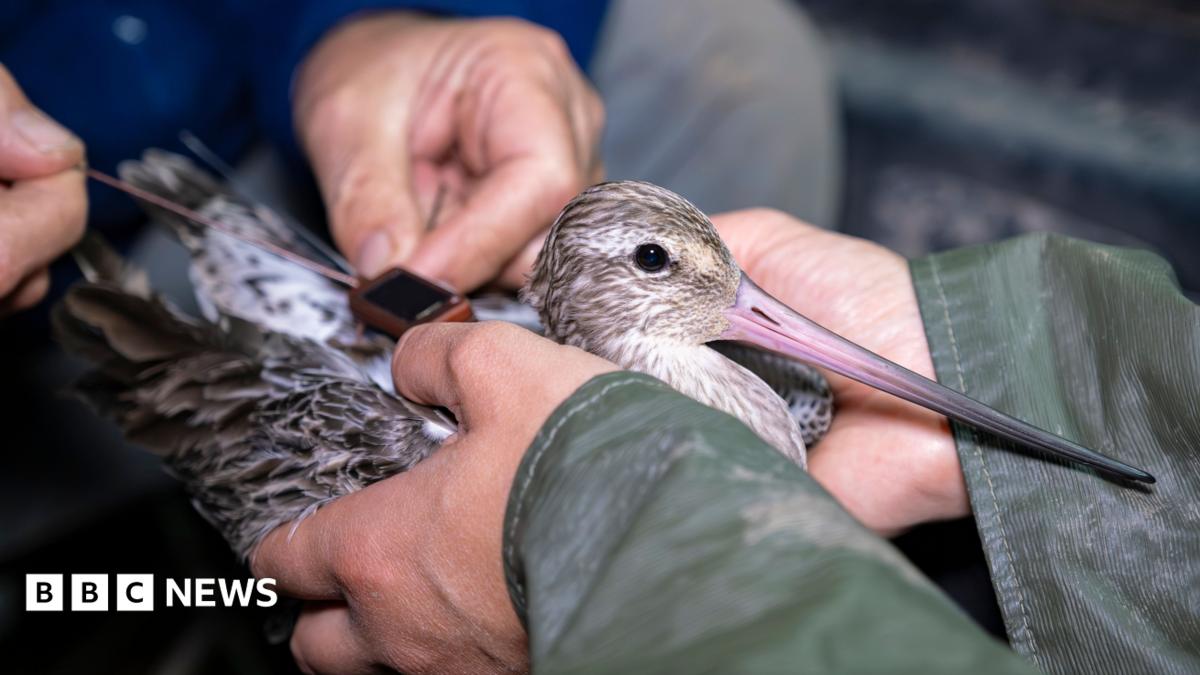
Scientists say Phil's extraordinary travels highlight the importance of protecting the world's wetlands, which are havens for millions of migratory birds each year.Dr Nigel Clark, of the conservation charity, The Wash Wader Research Group, said The Wash is the UK's single most important coastal wetland for migratory waders, with spectacular numbers seen in autumn and winter. "Tracking birds like Phil the Godwit shows us how connected the Wash is with the rest of the flyway," he said.Jeff Kew, RSPB Coastal Advisor, said many migratory bird species cross borders, depending on a whole network of wetlands along the way. That's why it's so important to look after these special places."Bar-tailed godwits are wading birds of similar size to pigeons, but with long bills and legs. They are regarded as one of nature's long-distance endurance athletes, with one subspecies making the longest known non-stop migration of any bird, flying 8,425 miles (13,559km) from Alaska to New Zealand.Phil's journey included a handful of stops to rest and refuel.He will now spend the winter relaxing with thousands of other wading birds at the Snettisham Nature Reserve in Norfolk.
Wading bird called Phil tracked in epic migration to Siberia and back
Full Article
Original Source
Read the full article at Bbc →KhanList aggregates and links to publicly available news content. We do not host full articles from third-party sources. Always verify important information with original sources.