
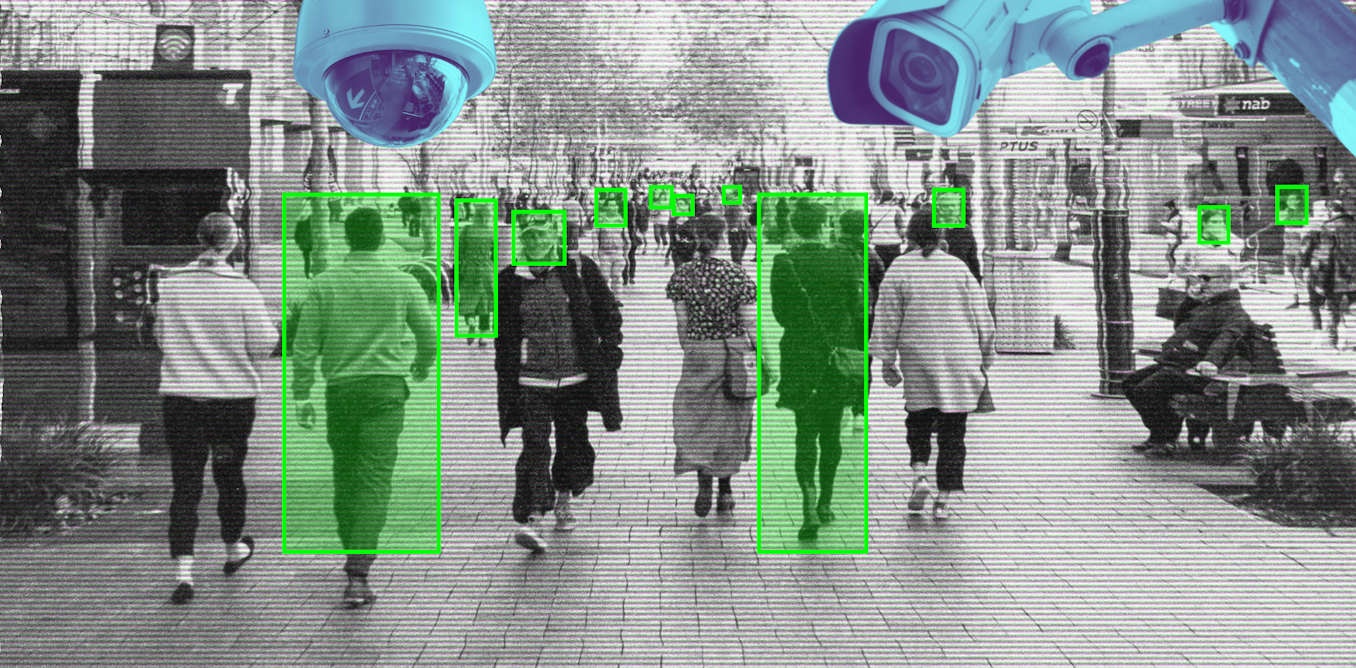
The results of Australia’s first live facial recognition trial have been released. Since June 2026, the Western Australian Police Force has been trialling the technology across metropolitan and regional WA. During the trial, more than 900,000 faces were scanned, generating 209 alerts (notifications that a scanned face matched someone from a police watch list) and 79 arrests. The technology identified and engaged 114 registered sex offenders. However, there were eight incorrect alerts. At first glance, these results seem to tell a success story. As other jurisdictions across the country consider whether to implement the technology, the WA trial is likely to be viewed with considerable interest. As such, calls for wider use may soon follow. Yet the key question is not whether live facial recognition technology can identify people of interest. The more important question is what happens if it fails and who bears the burden when it does. This question will become increasingly important as live facial recognition technology becomes more widespread. What happened in the trial? During the trial, WA police deployed live facial recognition cameras in public, including at major crowd events, and compared them against a police watch list. If the technology records a match with a person of interest on the list, the system sends an alert to nearby officers. The results released this week seem to be presented as evidence the trial was a success, with a significant number of people of interest identified along with 79 arrests, and a relatively small number of errors. Yet, the numbers do not tell us whether the trial was an ethical success. What about the ethics? Before and during the trial, several commentators raised ethical concerns about the use of live facial recognition technology. One issue is privacy. The technology works by scanning large numbers of people in public spaces. Most of the people scanned are not on police watch lists. WA police said images of people not on a watch list were pixelated in real time and not saved. However, privacy scholars argue facial surveillance raises serious consent problems because people are subject to it without meaningful choice or control. A second issue is accuracy. No facial recognition technology is perfect. Even a small percentage of errors can affect many people when large numbers are scanned. While the trial recorded only eight errors, experts have cautioned the technology may perform differently across certain demographic groups. Concerns have also been raised about how the technology may affect First Nations people and marginalised groups if errors are not distributed evenly across the population. If some groups are more likely to be misrepresented than others, this may contribute to societal inequalities. Indeed, in discussing the results, WA Police Commissioner Col Blanch stated the eight incorrect alerts were attributed to factors including darker skin and lighting conditions, or quality of reference image. Importantly, the results also do not tell us who was missed, sometimes referred to as false negatives; nor do they provide a breakdown of performance across varied demographics. A third concern is transparency. The results tell us relatively little about the watch list itself: who is included, how those decisions are made, what safeguards against bias are used, or what procedures are in place when errors occur. The trial results provide us with information about arrests, alerts and incorrect identifications. However, they tell us much less about whether particular groups were disproportionately affected, whether the watch list inclusions were fair, or whether any potential biases were acknowledged and corrected for. The questions are important to address in attempting to ethically scrutinise the results. The growing use of AI in policing Live facial recognition technology is not the first AI-assisted technology to be deployed in Australian law enforcement. AI-powered road safety cameras have been used across the country to identify drivers not wearing seat belts and using mobile phones while driving. Police have promoted the cameras as life-saving technologies and have presented evidence they have been highly effective. In WA, authorities reported a significant drop in mobile phone use and seat belt infringement cases since the cameras were introduced. However, the rollout generated controversy. Hundreds of fines were later dropped after drivers reported finding the process of challenging fines difficult, stressful and intimidating. WA police abandoned many of the subsequent fines. There is an important lesson here. Ethical success is not measured by the aggregate outcomes. It is also measured by how institutions treat people who bear the cost of mistakes. A system may reduce offending and improve public safety while also raising important issues about accountability and fairness. What comes next? In attempting to evaluate the success of this trial, many people will undoubtedly look to the high numbers of arrests and the low number of mistakes and conclude a broader deployment is warranted. However, ethical success is harder to measure from the numbers alone. A policing system can have high numbers of arrests and low mistakes, and still raise ethical concerns if it lacks accountability or its mechanisms for justice fail. Success should not be measured by how often a system gets things right but by how innocent people are protected when it gets things wrong.
WA Police’s facial recognition trial delivered strong results. But was it an ethical success?
Full Article
Original Source
Read the full article at Theconversation →KhanList aggregates and links to publicly available news content. We do not host full articles from third-party sources. Always verify important information with original sources.