
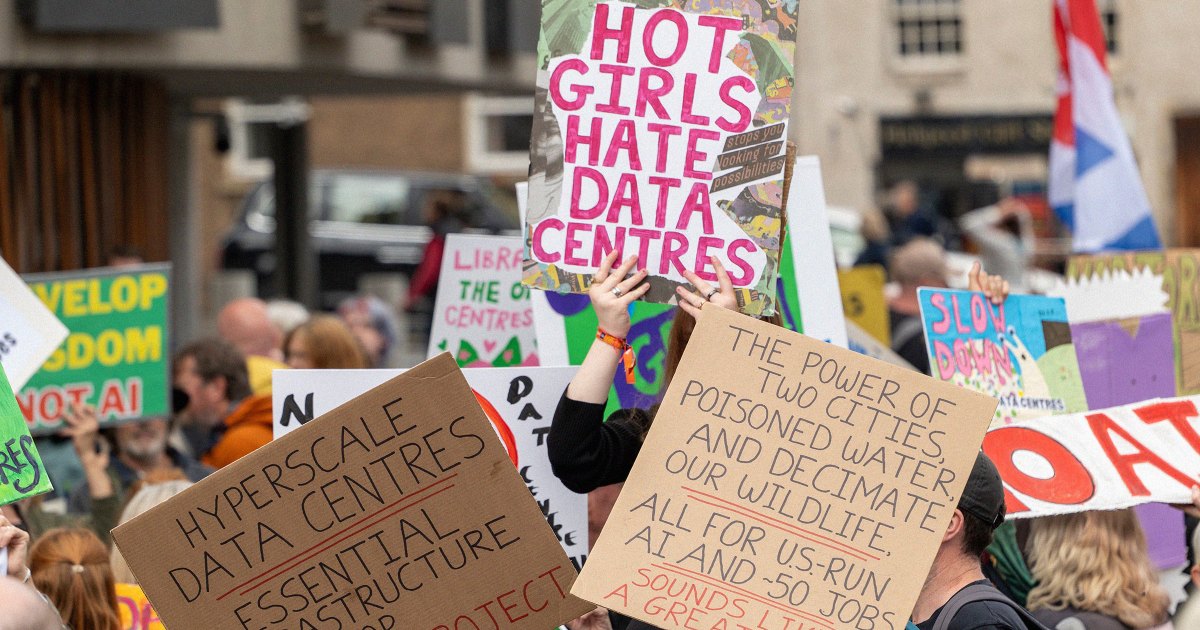
westpa1 / Shutterstock Voters across the US have sent data center developers packing, in a bruising defeat for the tech lobby across local and state battlegrounds. The midterm elections on Tuesday saw 41 anti-data center ballot measures go up for a vote across 10 states, a blend of moratoriums on new developments and measures meant to clear the way for further data center expansion. The results were nearly total: after the dust settled, only a single measure’s outcome was favorable to the AI industry, CNBC reported. By itself, the state of Ohio accounted for 21 of the proposals, every single one of which saw voters reject any advances from the data center lobby. The lone exception to the 41 ballot measures came from Harwood, North Dakota, where citizens voted “no” to adding an additional review stage to data center zoning procedures. Candidates who embraced an anti-data center message also far outperformed their opponents. As CNN observed, Democrats picked up gubernatorial seats in Nevada, Ohio, Texas, and Georgia by running candidates who were outspoken against the unpopular facilities. That said, there are signs that rhetoric alone wasn’t enough to win the day. Anti-data center messaging failed to secure Republican wins for figures like Texas gubernatorial incumbent Greg Abbott, for example, who had recently flip-flopped away from a pro-data center message after he saw which way the wind was blowing over the summer. In other words, it seems voters didn’t embrace politicians who turned against data centers at a convenient moment, but instead chose candidates they viewed as having a modicum of integrity when it comes to standing up to the big tech lobby. In all, the election results are an absolutely crushing rout for tech industry executives, who have spent an astonishing amount of money attempting to influence the 2026 US midterm elections on both sides of the aisle. Elon Musk alone spent nearly $450 million trying to boost Republican efforts, a maneuver which backfired spectacularly. According to a CNBC voter exit poll, 56 percent of voters said data centers were a “crucial” or “major” factor influencing their ballot choices. Given that the Democratic party is viewed as generally more adversarial to big tech — even as key party figures receive major contributions from controversial tech executives — it’s fair to say the data center backlash was a huge liability for Republicans. “The revolt against data centers was one of the top issues of the 2026 election,” Texas Democrat representative Greg Casar said in a statement reported by CNBC. “And in a few years we will look back on it as just the early tremor of a much bigger AI earthquake upending American politics.” With no electoral path forward for big tech’s data center agenda, we can expect to see developers embrace more legal loopholes and push into communities less capable of standing up for themselves in the months and years to come. More on data centers: New Data Centers in the US Set to Wipe Out 15 Years of Greenhouse Gas Reductions
Voters Supported Every Single Anti-Data Center Proposal in America, Except One
Full Article
Original Source
Read the full article at Futurism →KhanList aggregates and links to publicly available news content. We do not host full articles from third-party sources. Always verify important information with original sources.