
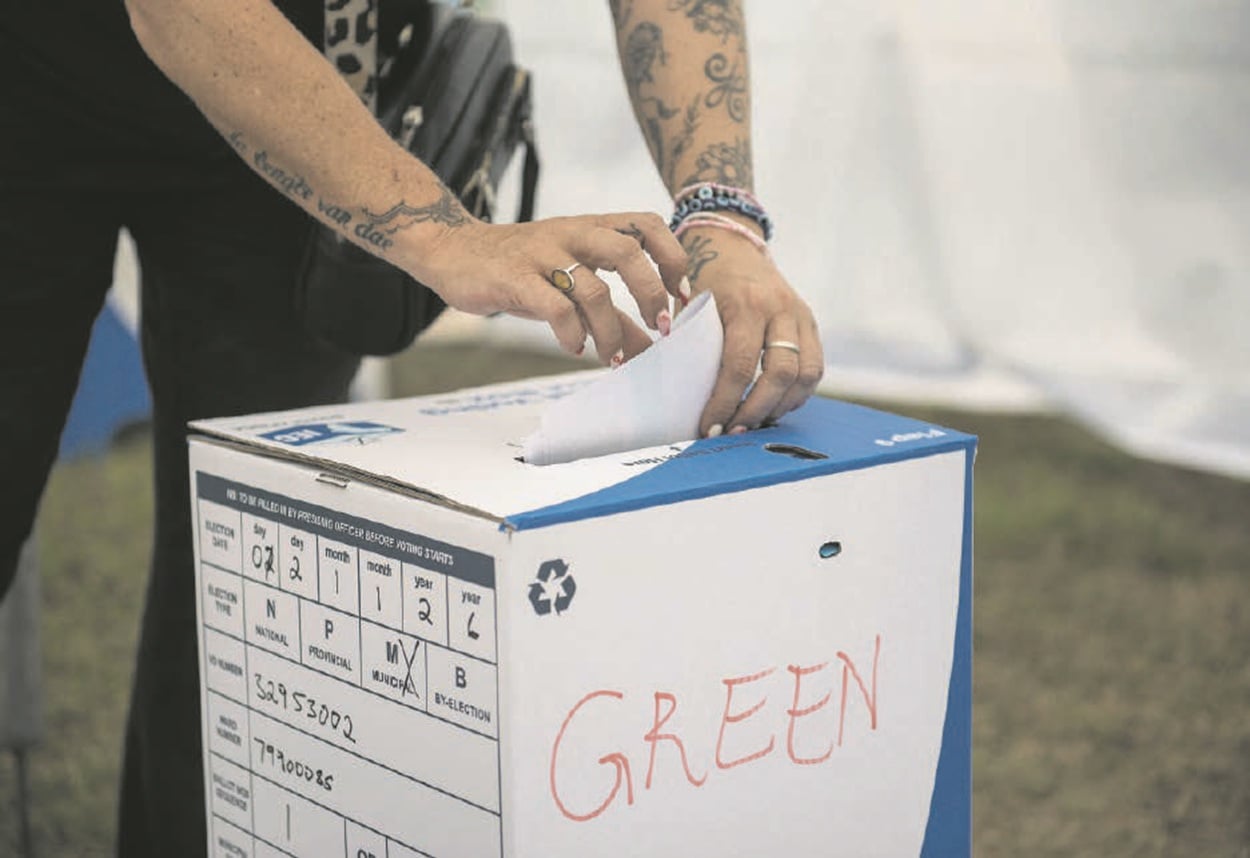
Seven out of 10 voters don't seem to care about electricity, clean water or potholes, turnout figures show voter apathy. As many as seven out of every 10 voters don’t seem to care about whether they get electricity, clean piped water or whether their street are riddled with potholes… that’s the picture painted by the turnout figures which show clear voter apathy. The way to change that is to get out tomorrow and vote. Otherwise, you don’t have the right to complain if your city or town falls apart. Seven out of 10 voters don’t seem to care In the 2021 local government elections, turnout varied across provinces, from a low of 42.36% in North West to a high of 53.31% in Northern Cape. LIVE interactive map, latest news, multimedia and more! View Map There were 26.2 million registered voters in that election, but a potential voter pool of those 18 and over of 38.6 million… because 35% never registered at all. In that poll, 12 million votes were cast, which meant that 70% of those who could vote, didn’t. Tomorrow, if the apathy follows the same trend, with votes cast by 50% of those 29.2 million registered, then more than 63% of the 39 million South Africans who are eligible to vote couldn’t be bothered about their future. ActionSA’s Michael Basch said residents who stay away from the polls risk condemning themselves to another five years of deteriorating municipal services. “The average person sitting at home wondering what difference their vote will make is often the same person asking why they have no electricity, or why there are potholes in their street,” said Basch. “Political parties can campaign as much as they like but, ultimately, it is citizens who decide who governs them. Voter apathy risks condemning cities “When people do not exercise that right, we make it easier for the same parties that got us into this situation to remain in power. “The money continues to be stolen and services continue to deteriorate.” Khathu Rasilingwane, the DA’s Ekurhuleni mayoral candidate, said: “It is all well and fine to complain about poor service delivery, corruption, unemployment and deteriorating infrastructure. But what are we doing to change the situation? “We cannot keep doing the same thing and expect different results. “Residents have the power to choose a different government, one that will prioritise service delivery, maintain our infrastructure and hold those responsible for corruption accountable. The time for excuses is over.” DA Joburg mayoral candidate Helen Zille said: “Not voting is a vote to keep things exactly as they are, or allow them to become even worse. People must realise that this is the last gasp for Johannesburg. We have to use whatever oxygen is still available to save this city.” Political analyst Ebrahim Fakir said tomorrow’s local government elections will be “one of the strangest since 1994”. Polling suggests Joburg and Tshwane likely to return hung councils He said the poll is shaping up as an election of “stabilisation, recovery and rehabilitation” amid what he calls a crisis of representation and responsiveness. Recent polling by the Social Research Foundation, MarkData, Ipsos and Sabi suggests Johannesburg and Tshwane are likely to return hung councils after the 4 November elections, making coalition negotiations a key factor in determining who governs South Africa’s largest metros. Across the surveys, support for the DA and ANC remains below the 50% threshold required for outright control, while parties including the EFF, uMkhonto weSizwe party and ActionSA are expected to play influential roles in coalition talks. Against this backdrop, Fakir said voters are increasingly questioning whether elections remain a credible instrument of change. “It is hard to imagine that amid the decline and decay, anyone will vote on the basis of values, ideology, policy compatibility, or political fit – if they bother to vote at all. “The question facing South Africans is existential and tactical. Do they participate in these elections? “Will social, economic and service improvement come from the ballot and does it remain a credible instrument of popular power?”
‘Vote for change to save cities’: Party leaders warn of rising voter apathy
Full Article
Original Source
Read the full article at Citizen →KhanList aggregates and links to publicly available news content. We do not host full articles from third-party sources. Always verify important information with original sources.