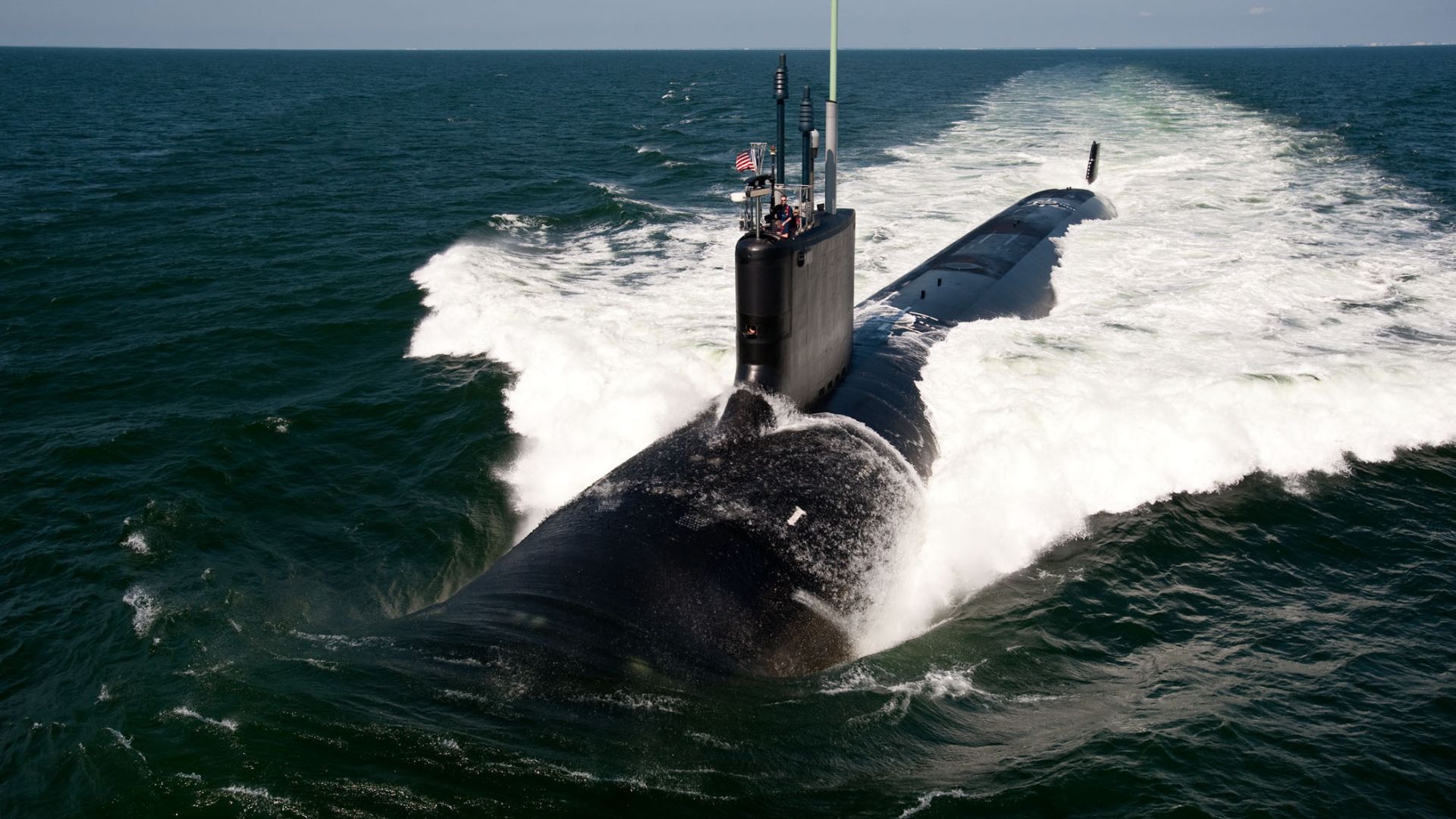
Australia is taking another step toward operating its future nuclear-powered submarine fleet, awarding Lockheed Martin a two-year, AUD$26.5 million contract to establish a sovereign Combat Systems Integration (CSI) capability for its future Virginia-class submarines. The work is being undertaken through the Australian Submarine Agency (ASA) as part of the AUKUS partnership, with Australian engineers working alongside U.S.-based Virginia-class submarine specialists. The technical capability being developed may sound like a relatively small part of a submarine program, but it sits at the heart of how a modern attack submarine turns information from its sensors into decisions and, ultimately, weapons effects. What does combat-system integration actually mean? A submarine’s combat system is essentially the technological nervous system connecting its sensors, communications, tactical information, and weapons. A modern submarine can detect contacts using sonar and other sensors, build a picture of what is happening around it, determine whether a contact is a potential threat, and coordinate an appropriate response. Making all of those components work together reliably is the job of combat-system integration. It is also an ongoing process rather than something completed when a submarine leaves the shipyard. Software, sensors, weapons and other components evolve throughout a submarine’s service life, requiring testing and integration to ensure new capabilities work with the rest of the system. Australia’s Defense Department says the Combat System Integration Partner will help implement and test combat-system improvements and support submarine crews with maintenance and repair of the system. Why Australia wants the capability at home The objective is not simply to have Australian engineers working on American-designed equipment. Canberra wants to develop a sovereign integration capability that can support its own submarines over decades of operation. That is particularly important for a fleet expected to remain in service for many years. A submarine’s combat system cannot simply be treated as a fixed piece of equipment; maintaining its effectiveness means continually integrating improvements as technology and operational requirements change. Australia has already been involved with the AN/BYG-1 submarine combat control system, which is used by both Australian and U.S. submarines. The U.S. Navy describes AN/BYG-1 as a joint U.S.-Australian program and has been demonstrating its capabilities to AUKUS partners as part of broader efforts to ensure interoperability. The new CSI capability builds on that broader experience while creating a larger Australian industrial and engineering base around the future Virginia fleet. Building an Australian industrial base Lockheed Martin says the contract will initially create more than 20 CSI engineering positions, with work beginning in Western Australia. Australia’s government previously said the broader CSI partner program could ultimately create around 100 additional jobs at Lockheed Martin Australia. The companies will also examine Australia’s supply chain to identify local businesses that could contribute to Virginia-class combat-system integration. That could become an important part of AUKUS. The partnership is not only about acquiring submarines and transferring technology; Australia is attempting to develop enough domestic expertise to operate, maintain and eventually sustain an advanced nuclear-powered submarine force. The submarines behind the program Australia’s future Virginia-class boats will be conventionally armed, nuclear-powered attack submarines operated under Australian command. The Australian government currently plans to acquire three Virginia-class submarines, with the first expected in the early 2030s. The Virginia class is designed around long-duration submerged operations and combines nuclear propulsion with sophisticated sonar, combat-management and weapons systems. Australia’s future boats will therefore require a substantial technical workforce capable of supporting complex U.S.-origin systems within Australia’s own operational and maintenance structure. The CSI work is one piece of that much greater effort. Australia is also building expertise through the broader AUKUS submarine ecosystem, including preparations for future SSN-AUKUS submarines that will eventually be designed and built jointly by Australia and the United Kingdom. The significance of the new contract is therefore less about the AUD$26.5 million itself and more about what it is intended to create.Recommended ArticlesKaif Shaikh is a journalist and writer passionate about turning complex information into clear, impactful stories. His writing covers technology, sustainability, geopolitics, and occasionally fiction. A graduate in Journalism and Mass Communication, his work has appeared in the Times of India and beyond. After a near-fatal experience, Kaif began seeing both stories and silences differently. Outside work, he juggles far too many projects and passions, but always makes time to read, reflect, and hold onto the thread of wonder.
Virginia-class nuclear submarines for Australia to get Lockheed combat systems
Full Article
Original Source
Read the full article at Interestingengineering →KhanList aggregates and links to publicly available news content. We do not host full articles from third-party sources. Always verify important information with original sources.