
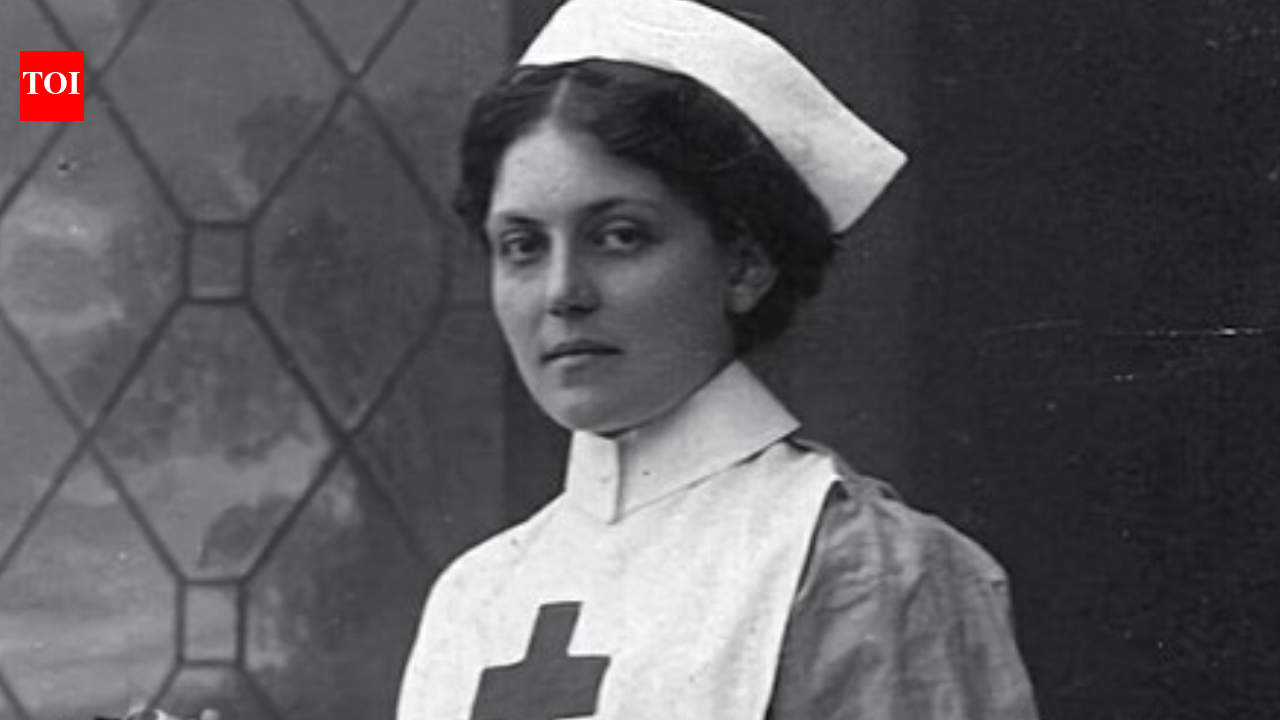
Violet Jessop's life at sea was marked by three disasters involving some of the most famous ships in maritime history. The Argentine-born stewardess survived the 1911 collision involving the RMS Olympic, the sinking of the RMS Titanic in 1912 and the loss of the HMHS Britannic during World War I in 1916. Her remarkable experiences earned her the nickname 'Miss Unsinkable'. According to her memoir Titanic Survivor, published with biographer John Maxtone-Graham, and historical accounts from Biography dot com and Encyclopedia Titanica, Jessop was not merely a passenger caught up in these events. She was a working member of the crews who witnessed the disasters at close quarters and continued her career at sea afterwards.From Argentina to a career at seaBorn in Argentina in 1887 to Irish parents, Jessop was the eldest of a large family. Her childhood was marked by serious illness, including tuberculosis, which she survived despite doctors reportedly believing she would not recover. Following her father's death, the family moved to England. Her mother subsequently found work as a ship stewardess, but when she became ill, Jessop left school to help support the family. She eventually followed the same profession, beginning her career aboard the Royal Mail Line's Orinoco in 1908. Her work brought her into contact with the rapidly expanding transatlantic shipping industry, where ocean liners were increasingly associated with luxury, speed and international travel. In 1911, she joined the White Star Line and began working aboard the RMS Olympic.The first disaster aboard OlympicJessop's first major encounter with a maritime disaster came on September 20, 1911. She was working aboard the Olympic when the liner collided with HMS Hawke, a British Royal Navy warship, in the Solent near the Isle of Wight.The collision seriously damaged the Olympic, including a large section of its hull. However, the ship managed to return to port without assistance, and no lives were lost. The incident did not end Jessop's career with White Star Line. After the Olympic returned for repairs, she continued working for the company. In April 1912, she was transferred to its newer sister ship, the Titanic, which was preparing for its maiden voyage.Surviving the Titanic sinkingJessop boarded the Titanic in Southampton on April 10, 1912, as a first-class stewardess. Four days later, on April 14, the ship struck an iceberg in the North Atlantic. It sank in the early hours of April 15, killing more than 1,500 people. As the disaster unfolded, Jessop was instructed to go on deck and help demonstrate how passengers should behave during the evacuation. She watched crew members prepare the lifeboats before being ordered into lifeboat 16.During the evacuation, an officer handed her a baby to hold. She later recalled that the child's mother took the infant back after the survivors reached the rescue ship, RMS Carpathia. Jessop and the other survivors were eventually brought to New York. Despite the trauma of the sinking, she returned to Southampton and continued working at sea.A third encounter with disaster aboard BritannicWhen World War I broke out in 1914, Jessop volunteered for nursing duties with the British Red Cross and served with the Voluntary Aid Detachment. She was eventually assigned to the HMHS Britannic, the third Olympic-class liner, which had been converted into a hospital ship. On November 21, 1916, while travelling through the Aegean Sea, the Britannic struck a German naval mine. The explosion caused severe damage, and the ship began taking in water rapidly.The evacuation soon turned dangerous. As the vessel listed, some lifeboats were drawn towards its still-turning propellers. Jessop was among those caught in the danger and jumped into the water to escape. She was pulled beneath the ship's keel and struck her head, sustaining an injury that she later discovered had caused a skull fracture. The Britannic sank in approximately 55 minutes. Of the 1,066 people aboard, 30 died. Jessop survived once again, although the experience left her with a serious head injury.Life after three maritime disastersRemarkably, Jessop did not abandon her profession after surviving three separate maritime incidents. She returned to work for the White Star Line in 1920 and subsequently joined the Red Star Line before returning to the Royal Mail Line. During her career, she travelled extensively, including two voyages around the world aboard the Red Star Line's Belgenland. She eventually retired in 1950 and settled in Great Ashfield, Suffolk, England.Jessop died on May 5, 1971, aged 83, from congestive heart failure. Her extraordinary experiences continued to attract attention long after her retirement, and she became widely known as 'Miss Unsinkable'. Her story remains an unusual chapter in maritime history, not simply because she survived two major shipwrecks, but because she continued working at sea after witnessing disasters that claimed so many lives.
Violet Jessop survived Titanic and Britannic sinkings, plus Olympic collision
Full Article
Original Source
Read the full article at Timesofindia →KhanList aggregates and links to publicly available news content. We do not host full articles from third-party sources. Always verify important information with original sources.