
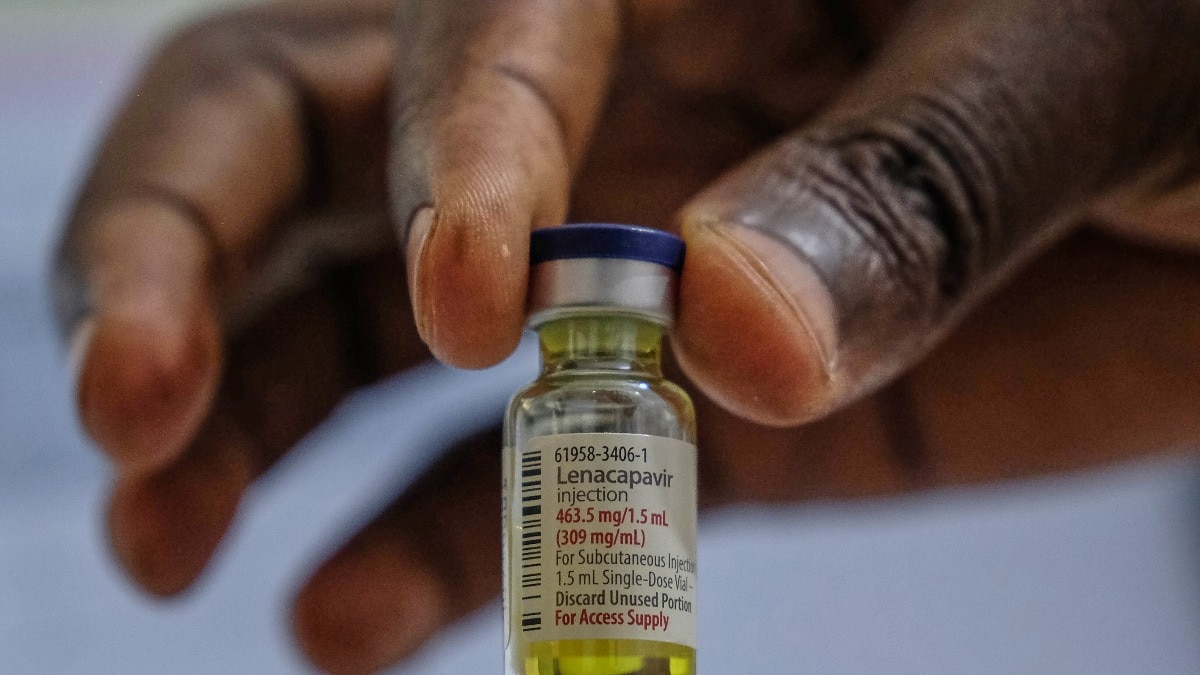
An HIV-prevention drug that had been largely out of reach for millions across Africa is now becoming more accessible, with an Indian pharmaceutical manufacturer beginning shipments of a cheaper generic version of the breakthrough medicine to the continent.According to a Reuters report published on November 26 (Thursday), the Hyderabad-based firm Hetero, has begun shipping generic lenacapavir, a twice-yearly injectable drug developed by US pharmaceutical giant Gilead Sciences, to African countries including Zambia, Uganda and Zimbabwe.According to the Reuters report, Hetero is currently in the midst of supplying 300 vials of lenacapavir to the continent, and is planning further shipments in the future.According to a report by the BBC, generic versions of the Hetero-made lenacapavir are expected to cost around USD 40 per person, a fraction of the price of the original drug in the US, which can cost USD 28,000 a person. This comes after Gilead Sciences granted royalty-free licences to six generic pharma companies, including Hetero and Dr Reddy's Laboratories, to produce and sell the drug in 120 low and middle-income countries.The licencing arrangement was announced by Gilead back in October 2024, while the first generic supplies arrived in Uganda on Wednesday (November 25). Further Hetero manufactured vials are expected to arrive shortly in Uganda, while Zimbabwe is scheduled to receive them in early 2027, according to the Global Fund to Fight AIDS, Tuberculosis and Malaria. This substantially lower price could help increase access in countries where the high cost of newer HIV medication has prevented its proliferation to those most in need.WHY THE NEW ANTI-HIV DRUG MATTERS FOR AFRICA?The arrival of cheaper supplies of generic lenacapavir is particularly significant for Africa, as the continent continues to shoulder a disproportionate share of the HIV burden.According to the Joint United Nations Programme on HIV/AIDS (UNAIDS) 2026 global HIV fact sheet released on November 24, eastern and Southern Africa had approximately 21.1 million people living with HIV in 2025, while another 5.2 million were in western and Central Africa.Together, the two regions accounted for 26.3 million of the estimated 41 million people living with HIV worldwide.Eastern and Southern Africa also recorded around 420,000 new HIV infections in 2025, while Western and Central Africa reported another 190,000, the UNAIDS estimates showed.HOW DOES HETERO'S ANTI-HIV DRUG WORK?Lenacapavir, marketed by Gilead under the brand name Yeztugo, is a long-acting drug that prevents HIV infection.Unlike conventional pre-exposure prophylaxis (PrEP), which generally involves taking a pill every day, lenacapavir is administered through an injection once every six months.According to the US Food and Drug Administration's prescribing information, lenacapavir is an HIV-1 capsid inhibitor.It targets the capsid, the protective protein shell surrounding the virus's genetic material, interfering with several stages of the HIV life cycle and preventing the virus from establishing an infection.For a continent bearing a disproportionate share of the global HIV burden, affordable supplies of lenacapavir could significantly expand access to prevention and help curb new infections.INDIA'S LONGSTANDING PHARMA LINK WITH AFRICAIndia's role in supplying affordable medicines to the African continent is not new.India has for decades been a major source of low-cost generic medicines for developing countries, particularly treatments for HIV/AIDS.A 2020 study published in the WHO South-East Asia Journal of Public Health noted that most people living with HIV in low- and middle-income countries were being treated with generic antiretroviral drugs produced by Indian manufacturers.It traced the trend to 2001, when an Indian generic drugmaker began supplying a three-drug HIV treatment combination for less than USD 1 per person per day.That company was Cipla. According to a WHO account of the development, Cipla offered HIV treatment for USD 350 per patient annually in 2001, sharply undercutting multinational pharmaceutical companies whose treatments had cost around USD 10,000 or more a year.India's pharmaceutical trade with Africa has since expanded beyond HIV medicines. According to the India Brand Equity Foundation (IBEF), citing trade data, India exported pharmaceutical products worth USD 5.07 billion to Africa in FY2025-26. This accounted for 16.28% of India's total pharmaceutical exports during the year.The latest development involving Hetero's generic lenacapavir shipments is another example of this role, with Indian manufacturers helping bring newer medicines within the reach of countries that have historically struggled with the high cost of patented treatments.- Ends
US sold HIV drug in Africa for $28,000. Indian firm will give it for $40, save lives
Full Article
Original Source
Read the full article at Indiatoday →KhanList aggregates and links to publicly available news content. We do not host full articles from third-party sources. Always verify important information with original sources.