
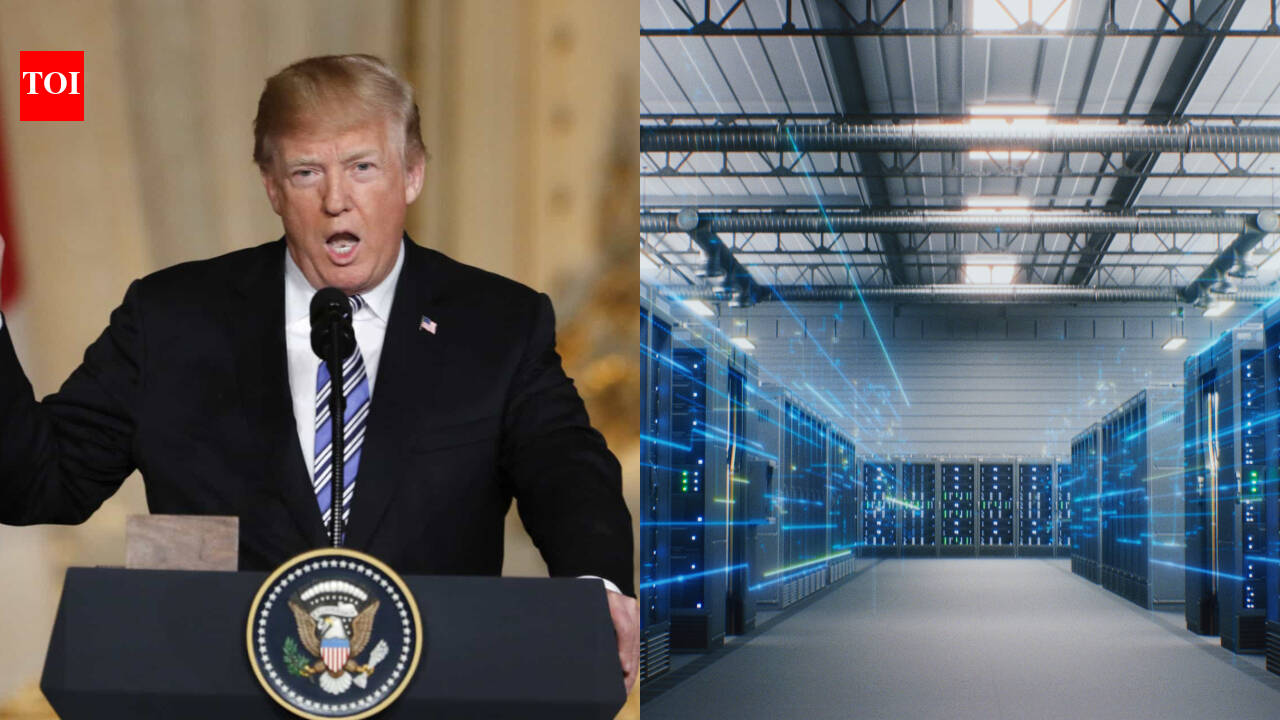
Environmental groups warn faster energy approvals could weaken protections under key federal environmental laws, despite bipartisan support.Artificial intelligence is transforming industries and fueling demand for computing power and the infrastructure that powers the technology is under mounting pressure. The growth of data centers and electricity use in the US is prompting concerns about household utility bills and the country's ability to generate and distribute sufficient power. In this context, US lawmakers passed a major bipartisan energy bill that aims to accelerate infrastructure development, while placing greater responsibility on large AI data centers to fund the expansion of the electricity grid.Senate passes major energy permitting billAccording to Associated Press and Reuters, the U.S. Senate voted 62-33 on Thursday to pass the Bipartisan American Affordability and Jobs Act of 2026.The legislation is designed to accelerate the approval process for major energy infrastructure projects, including power plants, transmission lines, pipelines and other facilities needed to increase electricity supplies. It now moves to the Republican-controlled House of Representatives, which must approve the measure before it can go to President Donald Trump.The bill has been in the works for about four years, and its passage is one of Congress's biggest efforts in years to address delays affecting big energy projects, Reuters reported.The proposal also comes amid growing worries about the electricity demand of artificial intelligence, especially the expansion of huge data centers that use a lot of power.Trump supports bill to slash electricity pricesPresident Donald Trump had pushed senators to vote for the measure, which he described as a critical step toward boosting American energy independence and reducing household costs.Trump called it a big win for U.S. energy production, saying that faster approvals would help the country build pipelines, mines and power plants without lengthy regulatory delays, the Associated Press reported.The bill had the support of 15 Democrats, among them Senate Minority Leader Chuck Schumer, and most Republican senators. But it faced opposition from Republican Sens. Mike Rounds of South Dakota and Josh Hawley of Missouri.The deal was negotiated by four lawmakers including Republican Senators Shelley Moore Capito and Mike Lee and Democratic Senators Martin Heinrich and Sheldon Whitehouse. Capito welcomed the Senate’s passage, calling it a key step toward addressing affordability concerns, Reuters reported.AI data centers must shoulder more of grid costsOne of the most important provisions concerns the financial liability of large artificial intelligence data centers.The legislation would require those facilities to pay a bigger share of the electricity grid upgrades tied to their power needs, Reuters reported.The provision comes as the debate grows over whether average electricity users should pay for the expansion of infrastructure needed by energy-hungry tech firms. As AI adoption accelerates, data centers will need ever more reliable electricity supplies. Expanding their capacity can be expensive, requiring new transmission lines and upgrades to existing grid systems.The legislation is intended to ease concerns about how the costs of energy infrastructure are shared by forcing big data center operators to contribute more to the upgrade.Environment concerns raised faster approvalsThe proposal has drawn criticism from environmental organizations and some Democratic lawmakers despite bipartisan support. The legislation would tighten deadlines for federal environmental reviews and change some provisions of existing laws, including the National Environmental Policy Act, Clean Water Act and Endangered Species Act, the Associated Press reported.Supporters say the current approval process can delay infrastructure projects for years, adding to construction costs and delaying electricity supplies to consumers.But environmental groups worry that less regulatory oversight could spur fossil fuel development, while diluting protections for communities, wildlife and natural resources.Critics also have raised concerns about the legislation’s impact on tribal sovereignty and consultation with Indigenous communities, according to Reuters.Sen. Jeff Merkley, D-Ore., opposed the measure, saying tribal rights and environmental consequences need to be studied in more detail before Congress approves the changes.Bill moves to House in larger energy debateThe bill was not passed without procedural wrangling. Senate Republicans blocked attempts by lawmakers to change the bill, so several proposed changes didn’t make the final version, The Associated Press reported.Democratic Senator Maria Cantwell also criticized the pace of the legislative process, raising concerns about protections for tribal communities, waterways and wildlife. Still, supporters say the United States needs a more streamlined process for approving infrastructure projects to keep electricity supplies in step with rising demand.The proposal will now go to the House of Representatives for further consideration. Trump has said he would sign the bill if it were to pass Congress.The bill is a big step toward balancing energy affordability, infrastructure development, and the rising costs of powering America's digital economy because electricity use is rising and AI infrastructure is being built out at a rapid pace.Images Courtesy: istock and Instagram
US Senate passes Trump-backed bill 62-33; AI data centres to pay grid costs
Full Article
Original Source
Read the full article at Timesofindia →KhanList aggregates and links to publicly available news content. We do not host full articles from third-party sources. Always verify important information with original sources.