
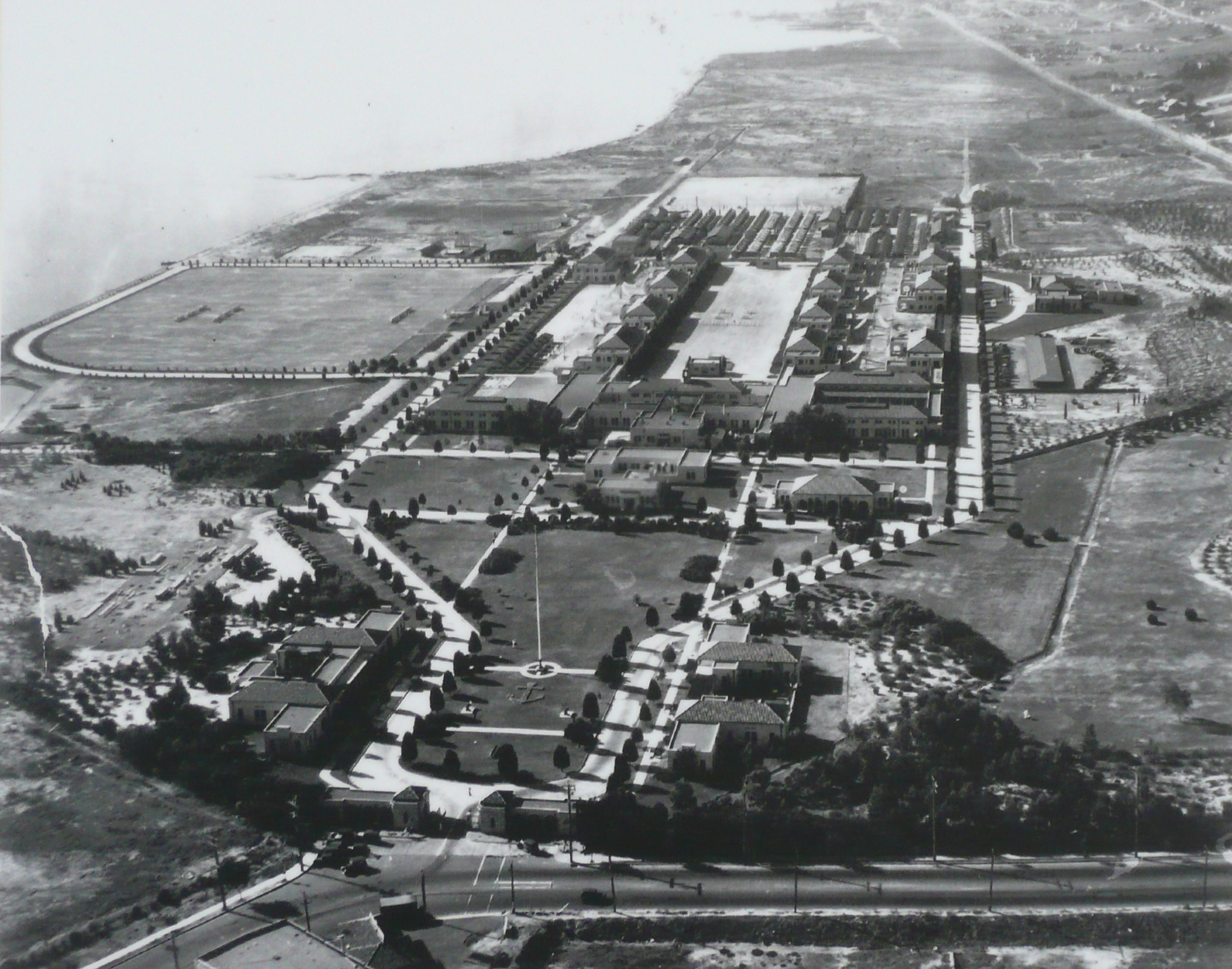
The federal government says San Diego should pay one-third of the $16 million cost of removing contaminated sediment from a former Navy boat channel, arguing city storm drains contributed to the pollution.SAN DIEGO (CN) — After clearing thousands of cubic yards of contaminated sediment from the bottom of a mile-long boat channel leading to a popular waterfront park and shopping center in San Diego, the federal government wants the city to chip in.Or at least that’s the Department of Justice’s position in a bench trial that began on Wednesday in the U.S. District Court for the Southern District of California.So far, the United States government has paid about $16 million in costs for the dredging operations in the boat channel, DOJ attorney Michael Augustini said in his opening arguments.“The city has accepted no share of these costs,” he said of the various contaminants found in the sediment. “The city should be required to pay its fair share for metals and pesticides.”The DOJ is asking for one-third of those costs for the contamination removal — or about $5 million — plus another million for DOJ enforcement costs.“The city hasn’t paid anything,” he continued. “There won’t be any evidence that they’ve offered to pay either.”The channel, which ranges from about 10 to 25 feet deep and several hundred feet wide, formerly led from San Diego Bay into the Naval Training Center, a training ground for new recruits located in the city’s Point Loma neighborhood. The base was closed in 1997, and the city converted it into a 360-acre mixed-use area known as Liberty Station, complete with green space, shopping, dining and some residential use.The environmental cleanup project removed about 30,000 cubic yards of contaminated sediment from the channel. The project was completed in 2021.The federal government filed its lawsuit in March 2023.The boat channel is now a popular destination for civilian boaters, paddleboarders and walkers and does not present a health risk to visitors, Augustini said.The city of San Diego, despite greatly benefiting from removing these contaminants, has refused to cooperate with the federal government, Augustini said.The federal government argues that the entire watershed that drains into the boat channel is the source of the contamination. That includes the old base, but it also includes city property.While the federal government is willing to bear most of the costs, it argues that the city-operated storm drains directly contributed a large amount of the contaminants in the channel.“They are basically touching every aspect of this issue through this system,” Augustini said.The DOJ says the city was responsible for the channel’s widespread DDT contamination, a pesticide banned in the U.S. in 1972.DDT was used in World War II, particularly in the Pacific, to help combat malaria, but made its way to the U.S. to help fight diseases like polio, which erupted in San Diego in 1948. Augustini shared old newspaper clippings from that period describing the city’s liberal use of the pesticide, which was misted throughout its neighborhoods.Metals like copper, lead and zinc were also dredged from the channel, along with chlordane, another banned pesticide. However, Augustini said that DDT comprised 61% of all dredged contaminants and was found in all areas of the channel.The federal government identified two DDT hotspots in the channel, which Augustini said the city should at least be partially responsible for. He said it’s unclear how any federal use of the pesticide could have created the hotspots.Thomas Vandenburg, an attorney representing the city, rejected this in his opening argument.“The most important issue for the trial is the two hotspots,” Vandenburg, of Wood Smith Henning & Berman LLP, said. “Those two hotspots were caused by dumping by the U.S. Navy. The city should pay 0% for the hotspots.”The federal government has no evidence the city caused these hotspots, he said.Vandenburg said the city would be willing to pay up to 12.5% of the total costs.“That is a fair and reasonable allocation for the city of San Diego,” he said.U.S. District Judge Linda Lopez, a Joe Biden appointee, presides over the case.The bench trial will continue throughout the week.Subscribe to our free newslettersOur weekly newsletter Closing Arguments offers the latest about ongoing trials, major litigation and rulings in courthouses around the U.S. and the world, while the monthly Under the Lights dishes the legal dirt from Hollywood, sports, Big Tech and the arts.Additional Reads
US seeks $6 million from San Diego in boat channel pollution suit
Full Article
Original Source
Read the full article at Courthousenews →KhanList aggregates and links to publicly available news content. We do not host full articles from third-party sources. Always verify important information with original sources.