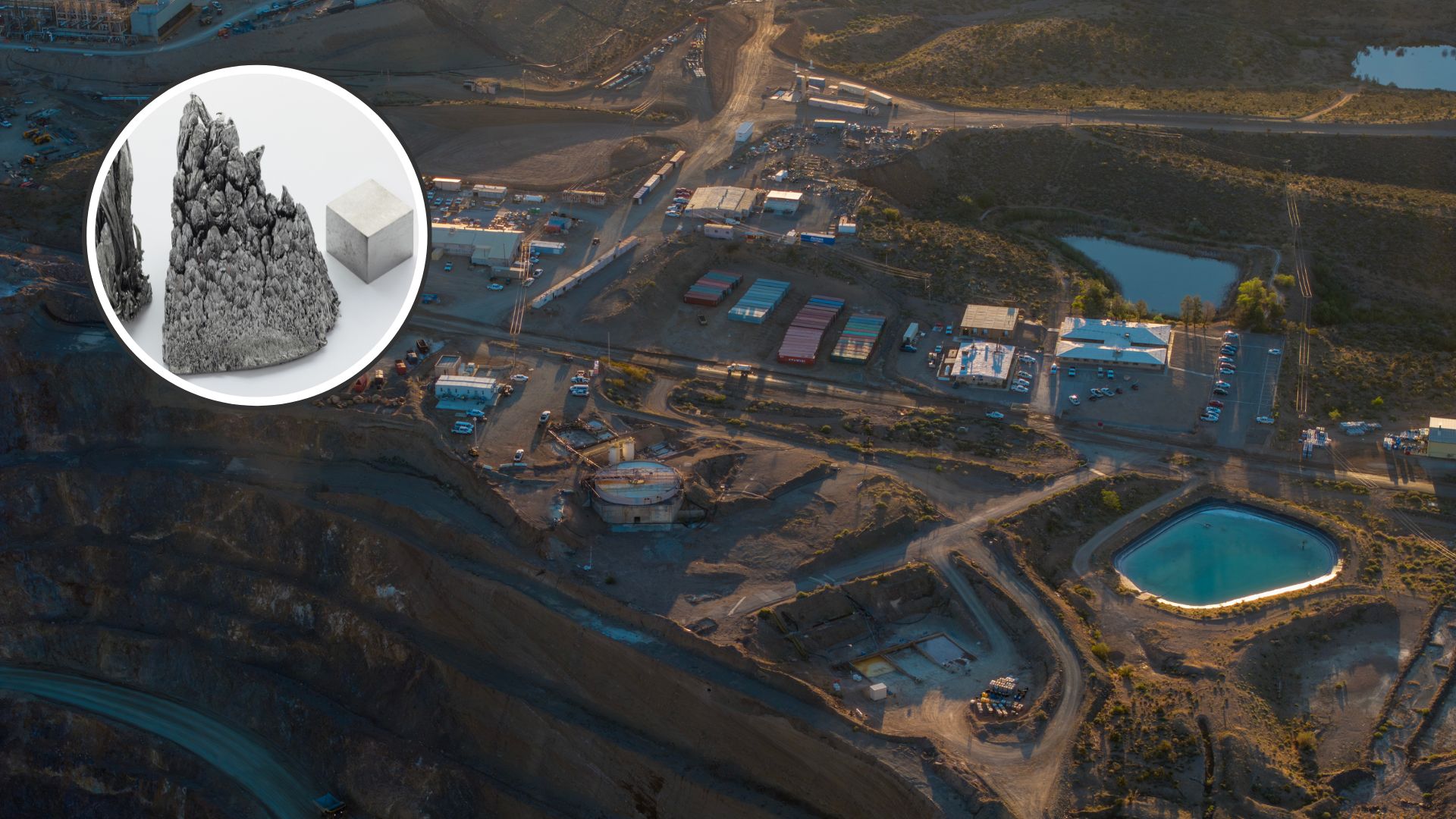
New drilling and surface sampling at Idaho Strategic Resources’ Diamond Creek project has uncovered heavy rare earth mineralization rich in yttrium. The findings could strengthen U.S. efforts to reduce reliance on Chinese supplies of critical minerals. Surface sampling identified rare earth mineralization across four prospects stretching roughly 3.2 kilometers. Results averaged about 1.8% total rare earth oxides (TREO), with heavy rare earth oxide concentrations exceeding 2,000 parts per million on average. Yttrium accounted for more than 1,300 ppm across the sampled material, making it one of the project’s standout elements. Previous exploration at the Lucky Gem prospect also reinforced the latest findings. A 32-meter surface trench completed in 2022 returned an average grade of 1.5% TREO alongside approximately 2,300 ppm heavy rare earth oxides, including 1,600 ppm yttrium. A drill hole completed the same year intersected 11.3 meters grading 1.5% TREO with more than 2,500 ppm heavy rare earth oxides. The interval included roughly 1,700 ppm yttrium. Those grades compare favorably with many North American rare earth projects, where deposits typically contain higher concentrations of light rare earth elements. Heavy rare earths remain harder to source outside China, increasing interest in domestic deposits as manufacturers seek more resilient supply chains. Idaho Strategic President and CEO John Swallow said conversations with industrial customers have changed over the past year. “Our interest in additional Diamond Creek exploration is the result of an increasing number of conversations with global end-users who lack a reliable ex-China source of heavy rare earth elements and yttrium,” Swallow said. He said customers now appear more focused on securing dependable supplies than lowering raw material costs. Swallow added that early results from Diamond Creek and the company’s broader Idaho holdings suggest the region could help support future domestic production, although further testing remains necessary. Yttrium attracts attention Yttrium emerged as one of Diamond Creek’s strongest features, with concentrations commonly ranging from 800 ppm to 2,000 ppm. The element plays an important role in superconductors, advanced alloys, ceramics, phosphors, and other high-performance technologies. Mineralogical studies completed so far indicate xenotime serves as the project’s primary yttrium-bearing mineral. Idaho Strategic plans additional exploration during the 2026 field season. The work will include more geological mapping, expanded mineralogical analysis, and an evaluation of a potential bulk sample from the Lucky Gem prospect. Based on earlier exploration, the company has developed a preliminary geological model suggesting the Lucky Gem zone could contain roughly 20,000 tonnes of mineralized material averaging about 1,600 ppm yttrium. The estimate remains conceptual and does not qualify as a formal mineral resource under U.S. reporting standards. Next exploration phase Diamond Creek also offers practical development advantages. The site sits about 30 minutes from the company’s Salmon, Idaho, field office and includes mineralized rock exposed at the surface. That could simplify collection of an initial bulk sample without extensive drilling or blasting. Additional drilling and independent geological work will determine whether the project can support a formal mineral resource estimate in the future. Recommended ArticlesGet the latest in engineering, tech, space & science - delivered daily to your inbox.Aamir is a seasoned tech journalist with experience at Exhibit Magazine, Republic World, and PR Newswire. With a deep love for all things tech and science, he has spent years decoding the latest innovations and exploring how they shape industries, lifestyles, and the future of humanity.
US rare earth project reveals heavy rare earth zone with standout yttrium grades
Full Article
Original Source
Read the full article at Interestingengineering →KhanList aggregates and links to publicly available news content. We do not host full articles from third-party sources. Always verify important information with original sources.