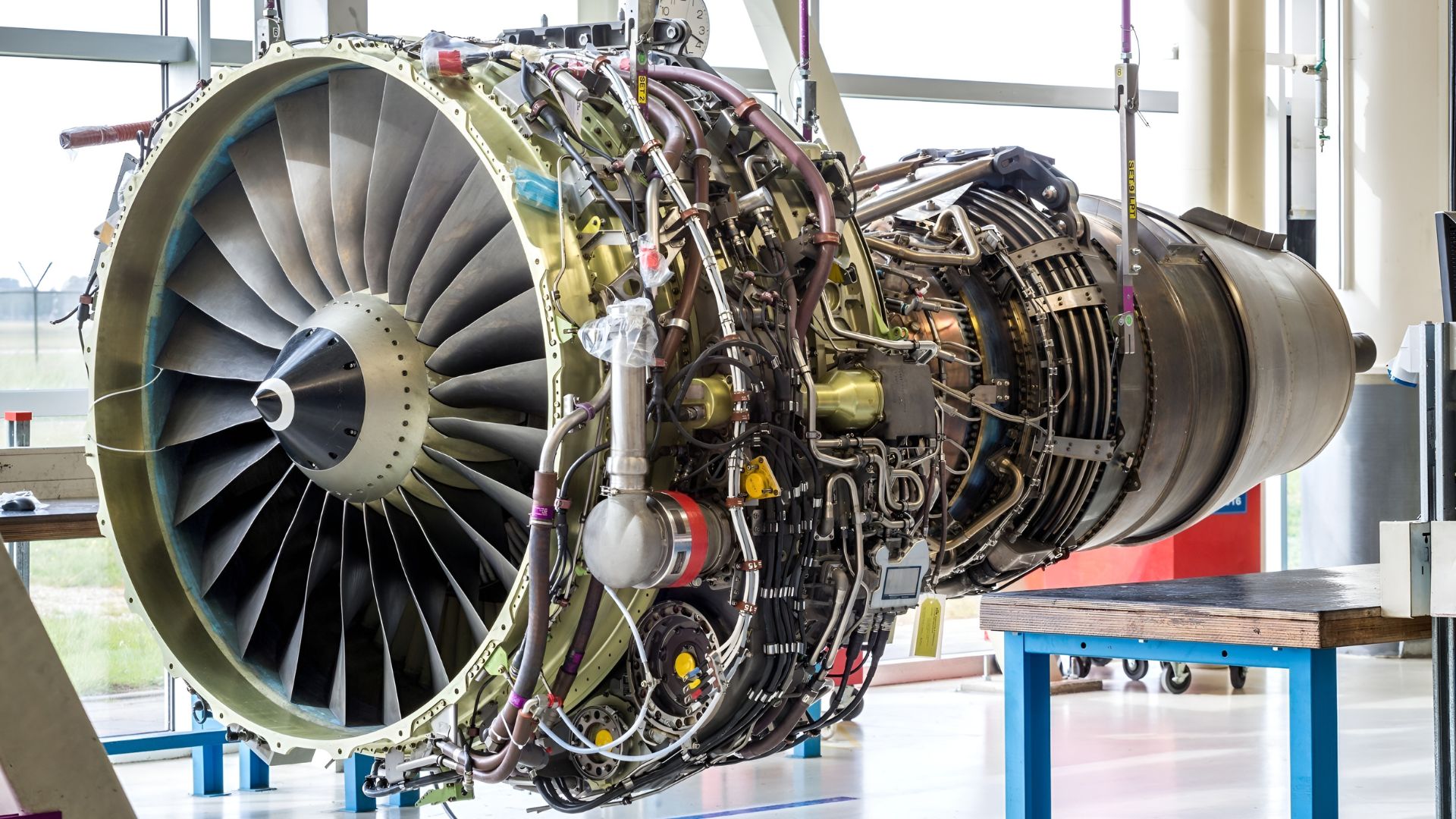
Rangeview Inc. has secured a development contract from Kratos Defense & Security Solutions to produce advanced investment-cast components for next-generation turbine engines, strengthening efforts to expand U.S. manufacturing capacity for critical aerospace hardware. The program centers on high-performance superalloy castings designed for advanced turbine engines used in defense applications. Rangeview will manufacture flight-quality hardware while aiming to cut development timelines that have traditionally slowed engine production. The effort also targets a long-standing weakness in the domestic industrial base, where defense officials have repeatedly identified precision cast components as a production bottleneck for military propulsion programs. Faster engine production Kratos plans to use the collaboration to accelerate development of affordable turbine engines for drones and missile systems. Faster access to complex cast hardware could reduce engineering delays as the company prepares for larger production volumes. Rangeview founder and CEO Cameron Schiller said the company was established to address gaps in the U.S. casting industry. He said the sector needs additional manufacturing capacity capable of producing advanced superalloy components domestically. “Kratos is redefining what affordable engine production looks like,” Schiller said. He added that Rangeview aims to deliver complex castings from design through flight-ready hardware much faster than traditional manufacturing methods. Engine manufacturers have faced growing pressure to increase output as demand rises across defense programs. Long lead times for precision castings have become one of the biggest obstacles because turbine components require specialized materials, strict quality controls, and highly skilled manufacturing processes. Casting replaces additive manufacturing Kratos engineers believe the company’s casting process opens new options for complex turbine components. According to Chief Engineer Russ Jones, the technology can produce intricate geometries that previously depended on laser powder bed additive manufacturing. Jones said the approach offers greater flexibility without sacrificing the performance expected from advanced cast superalloys. He added that the manufacturing process is helping engineering teams move more quickly. The material properties also meet the demanding requirements of advanced turbine applications. Investment casting remains essential for turbine engine production because it allows manufacturers to create heat-resistant components with precise internal features. Superalloy castings must withstand extreme temperatures inside jet engines while maintaining structural integrity during sustained operation. Those requirements make manufacturing quality a critical factor for military propulsion systems. Strengthening domestic supply chain Kratos also views the agreement as part of a broader effort to reinforce its U.S. supplier network before ramping up engine production. Stacey Rock, president of Kratos’ Turbine Technologies Division, said the company is assembling a manufacturing base capable of supporting high-volume production for jet engines destined for drones and missiles. He described the agreement with Rangeview as another step toward executing that strategy. Pressure on the U.S. casting industry has grown as engine manufacturers report shortages of specialized cast components. Limited domestic capacity has increasingly constrained gas turbine production across both commercial aerospace and defense markets. Expanding the supplier base could reduce dependence on a small number of manufacturers and improve production resilience for future defense programs. Rangeview’s latest program expands its portfolio of funded work across propulsion, defense and energy sectors. For Kratos, the partnership adds another domestic supplier as the company pushes to scale production of advanced turbine engines for future U.S. defense programs. The agreement also reflects broader efforts across the U.S. aerospace industry to rebuild critical manufacturing capabilities and shorten the path from engineering design to production-ready hardware.Recommended ArticlesGet the latest in engineering, tech, space & science - delivered daily to your inbox.Aamir is a seasoned tech journalist with experience at Exhibit Magazine, Republic World, and PR Newswire. With a deep love for all things tech and science, he has spent years decoding the latest innovations and exploring how they shape industries, lifestyles, and the future of humanity.
US ramps up turbine engine production with flight-quality superalloy castings
Full Article
Original Source
Read the full article at Interestingengineering →KhanList aggregates and links to publicly available news content. We do not host full articles from third-party sources. Always verify important information with original sources.