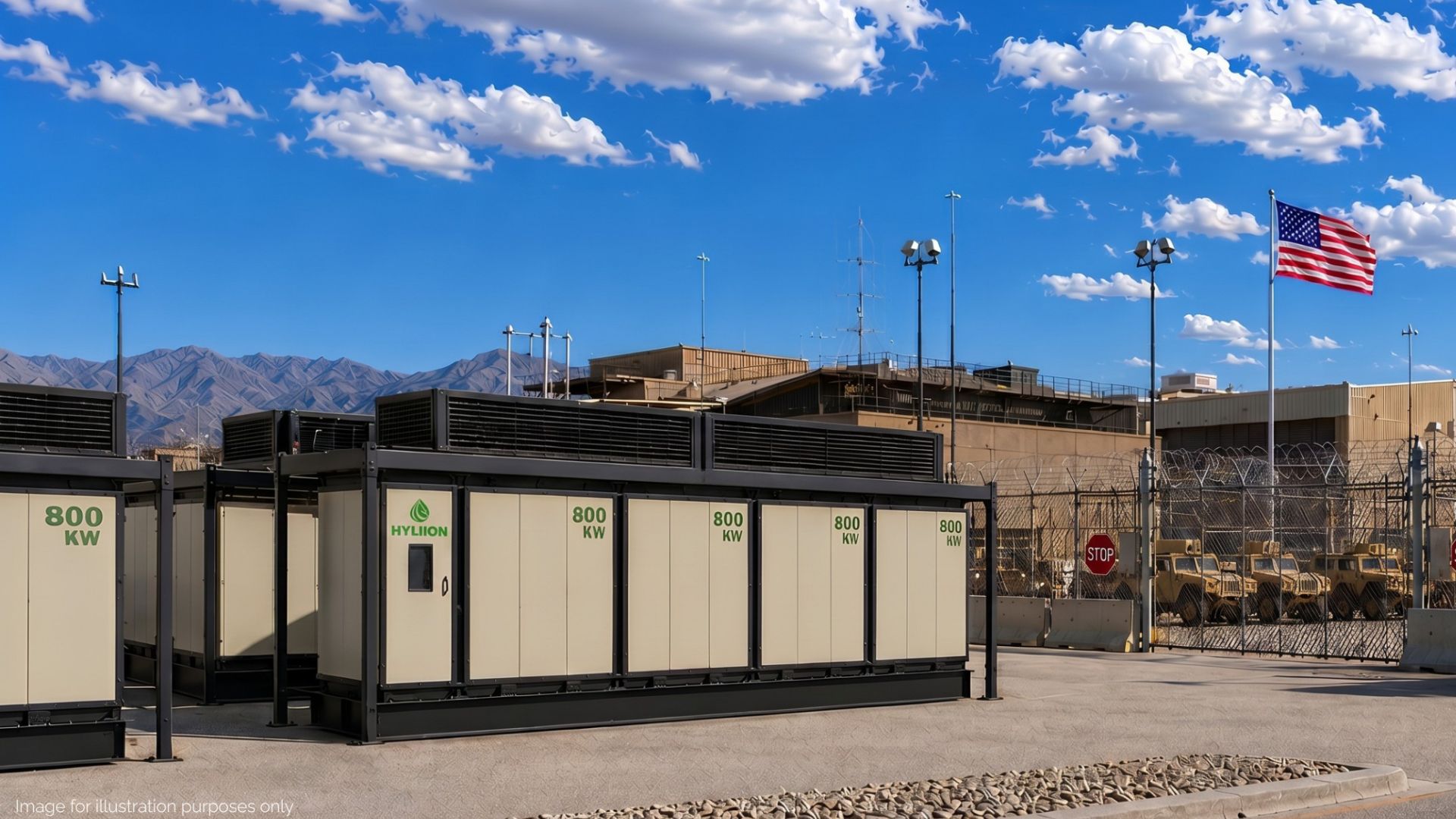
Austin, Texas-based Hyliion has been awarded a contract from the Office of Naval Research (ONR) to deliver two multi-megawatt KARNO power modules. The $41.7 million contract is for the company to design, develop, and deliver two KARNO units for validation in land and maritime applications at NAVSEA, Philadelphia. The units will be tested to see whether they meet the high power requirements of naval and land-based missions. “This contract accelerates the development of our multi-megawatt KARNO systems and expands the range of naval platforms the technology can support,” said Thomas Healy, Founder and CEO of Hyliion. Healy went on to add that the ONR has been a “tremendous partner” in advancing the KARNO technology, and the continued investment reflects the confidence they have in the platform. What is the KARNO power module? The KARNO power module relies on KARNO Core, which will use linear electric motors in a four-shaft system to generate electricity. The KARNO Core builds on the principles of the 200-year-old Stirling thermodynamic cycle. It is being built to provide clean electricity as per the demand. The linear generator turns heat into electricity using a flameless, low-temperature oxidation process. Its design promises ultra-low to zero emissions without the need for any additional emission treatments. The 200 kW linear generator will feature synchronized shafts working together to drive a thermodynamic cycle that uses heat to power linear piston movements. These movements generate electricity as the shaft, featuring a magnet array, moves through static copper coils at a high frequency, according to the company. The company also offers an 800 kW power module that will be used to meet the requirements of the new contract. The company says it uses additive manufacturing or 3D metal printing to unlock design opportunities for the KARNO Core. Hyliion says it is working with the ONR to deliver scalable, flexible power for U.S. Naval operations. US Navy’s interest in Hyliion’s tech Under the contract, Hyliion will develop and deliver two KARNO Power Modules rated at 2+ MW and 3+ MW scale. These systems build on the company’s modular 800 kW architecture to meet the higher power requirements of naval and land-based missions. The multi-megawatt KARNO Power Modules are expected to expand the capabilities that have driven Navy interest in the technology: fuel flexibility, high electrical efficiency, and a low-maintenance design optimized for demanding operating environments, according to a press release from the company. These attributes can reduce logistical burden, extend mission endurance, and deliver resilient power for maritime and expeditionary operations while maintaining low acoustic and thermal signatures. The KARNO Power Module is designed to power next-generation autonomous vessels, ensuring uninterrupted operations at sea with low maintenance and fuel consumption. Moreover, one of its key benefits is that it can leverage the available fuel infrastructure on site – ranging from diesel, R/CNG, propane, ammonia, methanol, gasoline, hydrogen, and more. The modules offer low heat signature and quiet operation, which enhances operational readiness and security. They also have fewer moving parts and an overall rugged design, which makes them well-suited to deliver power in challenging situations.The company says that the contract will allow it to mature the KARNO architecture across diverse markets. It aims to use the same scalable platform to serve both defense missions and high -growth distributed power applications, including data centers.Recommended ArticlesGet the latest in engineering, tech, space & science - delivered daily to your inbox.Abhishek brings a wealth of experience in covering diverse stories across different beats. Having contributed to renowned wire agencies and Indian media outlets like ANI and NDTV, he is keenly interested in Tech, Business and Defense coverage.
US Navy to get fuel-flexible, multi-megawatt power modules for naval, land missions
Full Article
Original Source
Read the full article at Interestingengineering →KhanList aggregates and links to publicly available news content. We do not host full articles from third-party sources. Always verify important information with original sources.