
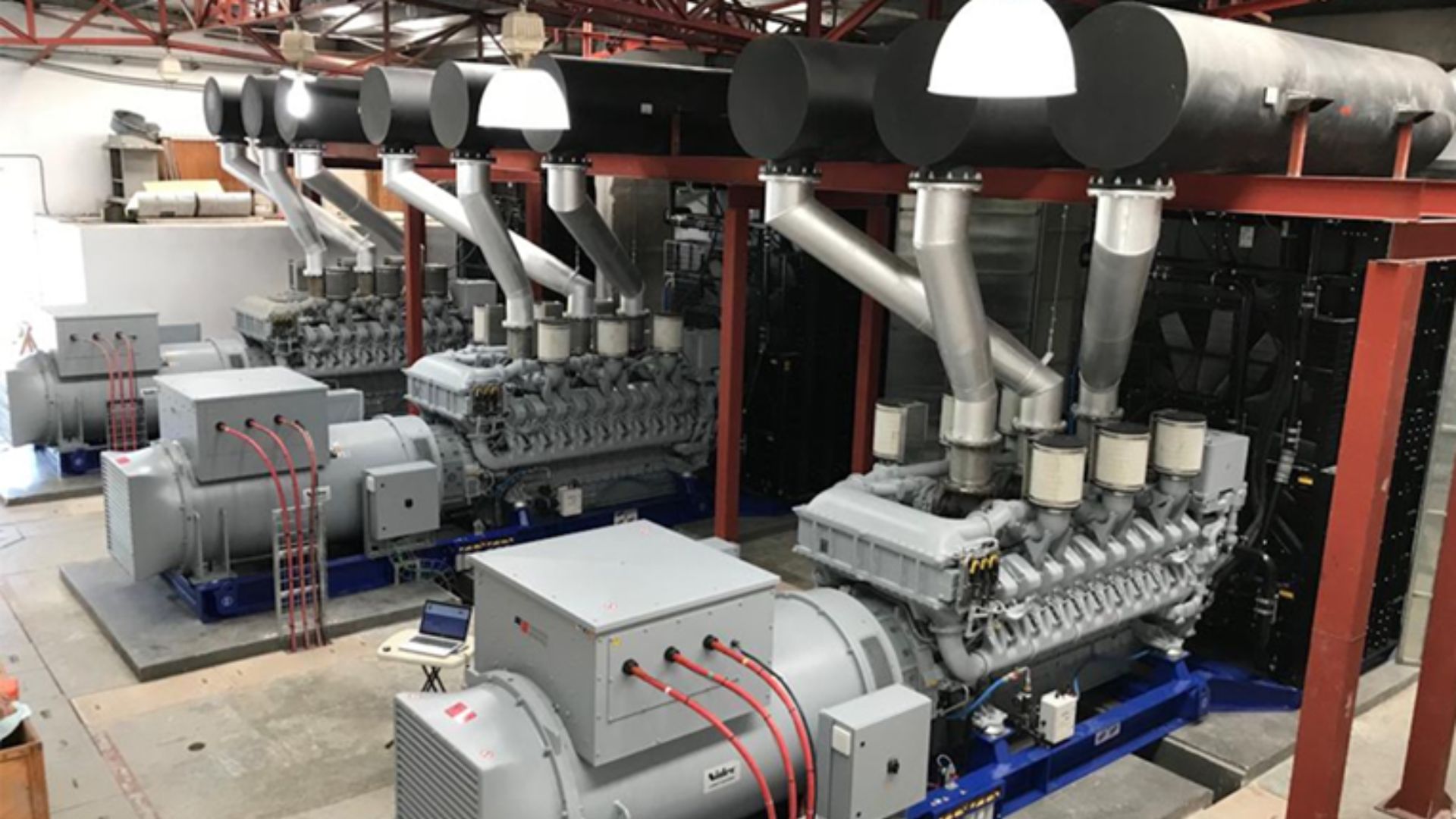
Rolls-Royce has received U.S. Navy certification for two mtu marine engines, clearing the Series 4000 and Series 2000 for autonomous naval vessels as the service expands its unmanned fleet. Announced on September 1, the approval covers propulsion systems designed to support long-duration missions with limited human intervention. The certification comes as the Navy develops vessels that can remain deployed for weeks without crews handling routine engine maintenance. Series 4000 clears endurance tests The Series 4000 earned certification after completing two 720-hour durability tests, demonstrating its ability to operate through extended autonomous missions. The engine delivers up to 4,300 kW of propulsion power (about 5,767 hp) or 3,000 kWe for electrical generation. Rolls-Royce offers the Series 4000 in V-configurations with eight, 12, 16 and 20 cylinders. Its certification gives naval planners another power option for unmanned vessels that need sustained performance while operating without onboard maintenance crews. Smaller engine gains Navy approval The Series 2000 completed component testing and accumulated thousands of hours of field operations before receiving approval. It is available in 10-, 12- and 16-cylinder V configurations and can deliver up to 1,939 kW of propulsion power, or about 2,600 hp. The two certifications address requirements cited by Rolls-Royce under the National Defense Authorization Act for engines used in unmanned systems. Qualifying power systems must operate without human intervention and without preventive or corrective work on their main propulsion, fuel and oil systems. The requirements support deployments lasting up to 30 days without maintenance. Sea Hunter shows engine record The Navy’s growing autonomous fleet provides a direct use case for the certified technology. Earlier this year, the service deployed Sea Hunter and Seahawk as its first division of unmanned surface vessels. Sea Hunter is powered by two mtu 12V 2000 engines and has accumulated tens of thousands of operational hours since its christening in 2016. Its service record provides operational experience for the wider move toward vessels that can spend long periods at sea without traditional crews. The Navy’s certification process also examines control systems, cybersecurity and safety-critical functions. These checks are intended to ensure autonomous vessels can operate reliably as unmanned technologies expand across surface, aerial and subsea missions. Rolls-Royce expands defense role Scott Hanson, vice-president of governmental sales at Rolls-Royce Power Systems in North America, said, “The certification of our engines for unmanned operations further demonstrates the reliability and advanced technology of our mtu Series 4000 and 2000 marine propulsion systems. For decades, mtu engines have been trusted to provide reliable, mission-ready power for our crews at sea.” “As autonomous missions become increasingly important to naval strategy, we are proving that we can deliver the power systems, long-endurance capability and technology required for the new operational demands of unmanned vessels,” Hanson added. The approval also builds on Rolls-Royce’s presence in U.S. military unmanned systems. Its engines already power the RQ-4 Global Hawk and MQ-4C Triton. The company has also supported test flights of the Navy’s AE 3007N-powered MQ-25A Stingray, which autonomously completed taxiing, take-off, flight maneuvers and landing. Get the latest in engineering, tech, space & science - delivered daily to your inbox.A versatile writer, Sujita has worked with Mashable Middle East and News Daily 24. When she isn't writing, you can find her glued to the latest web series and movies.
US Navy clears two Rolls-Royce engines for unmanned ships after 720-hour tests
Full Article
Original Source
Read the full article at Interestingengineering →KhanList aggregates and links to publicly available news content. We do not host full articles from third-party sources. Always verify important information with original sources.