
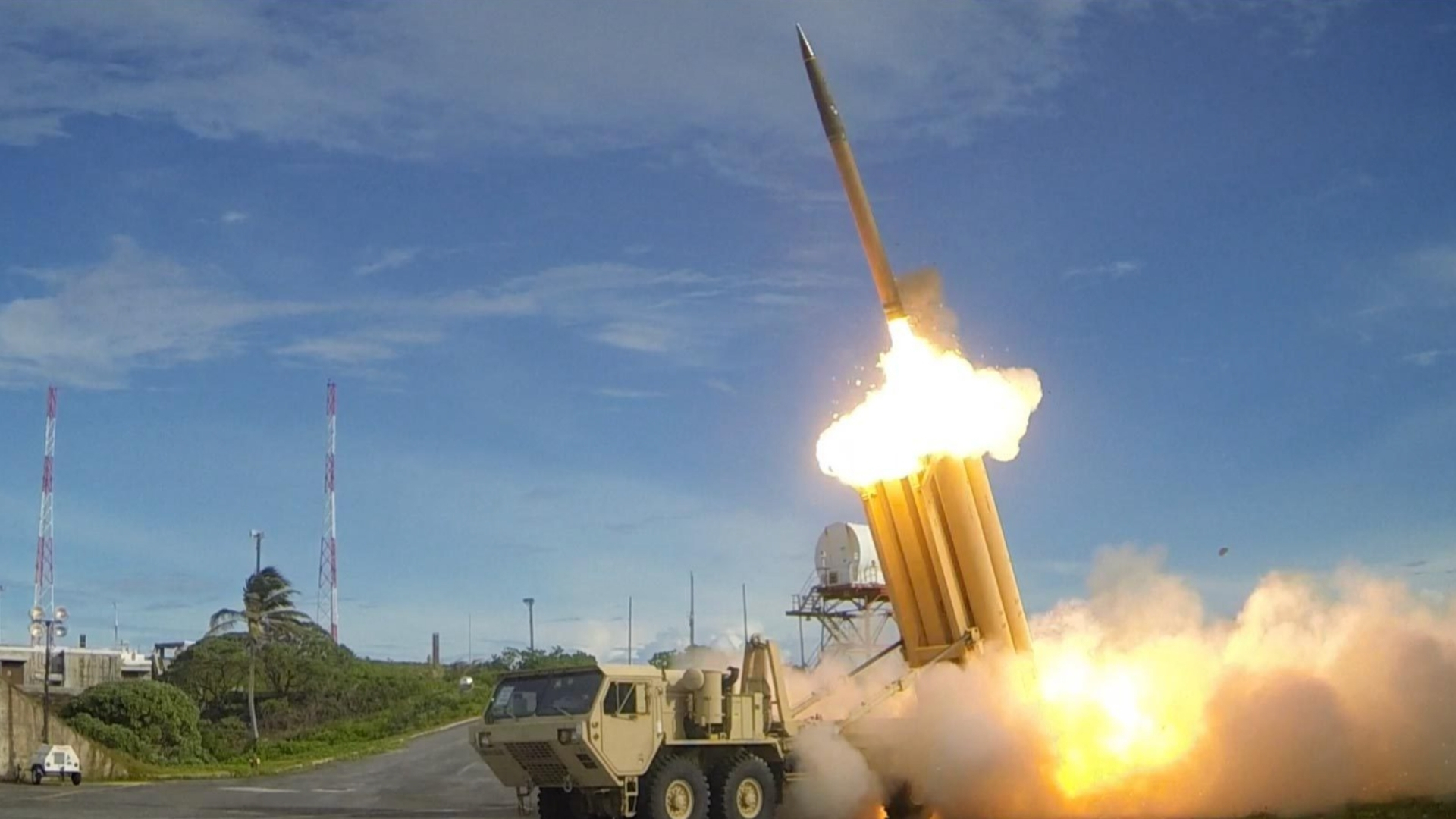
The United States is moving to expand production of propulsion systems for the Terminal High Altitude Area Defense, or THAAD, as part of a broader effort to increase output of critical missile defense munitions. L3Harris Technologies has signed a framework agreement with the Department of War and Lockheed Martin for a seven-year contract that would quadruple production of propulsion systems used by THAAD. The agreement is expected to be finalized later this year, as reported through an official press release on July 27. Production capacity set for major expansion L3Harris supplies THAAD’s Solid Rocket Boost Motors and Liquid Divert and Attitude Control Systems, two key propulsion components used by the interceptor. The company manufactures the solid rocket motors in Huntsville, Alabama, and Camden, Arkansas, while the liquid control systems are produced at its Los Angeles facility. The expansion is designed to increase the rate at which propulsion hardware can be supplied for THAAD interceptors, which are built to engage short, medium and intermediate-range ballistic missile threats both inside and outside the Earth’s atmosphere. “This framework agreement reaffirms L3Harris’ proven capability to quickly deliver critical defense systems at the rate the Department of War demands,” said Ken Bedingfield, President, Missile Solutions, L3Harris. “The agreement builds upon our ongoing investments to build new facilities, incorporate modern manufacturing practices and bolster our suppliers to ensure we can support the critical systems that protect our nation and allies,” he continued. THAAD remains a key missile defense layer THAAD uses hit-to-kill technology, relying on the interceptor’s kinetic energy to destroy incoming ballistic missile threats rather than an explosive warhead. Its propulsion systems play different roles during an intercept. The solid rocket booster provides the thrust needed to launch and accelerate the interceptor, while the liquid divert and attitude control system helps guide the kill vehicle during the final phase of engagement. L3Harris said deliveries of both systems are currently meeting or running ahead of contract schedules. The production increase comes as Washington looks to strengthen domestic manufacturing capacity for missiles and other munitions. The Department of War’s Munitions Acceleration Council has identified THAAD among programs requiring additional production capacity. Wider push to increase interceptor production The THAAD agreement forms part of a broader expansion of US missile propulsion manufacturing. L3Harris has also reached a separate seven-year framework covering propulsion systems for the PAC-3 Missile Segment Enhancement interceptor. That agreement is expected to allow the company to nearly triple production of several PAC-3 propulsion products, including its two-pulse solid rocket motor, attitude control motors and lethality enhancer. Across its wider propulsion business, the company says it is investing billions of dollars, constructing around 60 facilities and adding or upgrading nearly one million square feet of manufacturing and office space. Those investments span solid rocket motor production sites in Alabama, Virginia and Arkansas, as the US seeks to expand manufacturing capacity for high-demand air and missile defense systems. The effort is intended to give US forces and allies a supply of interceptors during sustained operations.Recommended ArticlesGet the latest in engineering, tech, space & science - delivered daily to your inbox.Atharva is a full-time content writer with a post-graduate degree in media & amp; entertainment and a graduate degree in electronics & telecommunications. He has written in the sports and technology domains respectively. In his leisure time, Atharva loves learning about digital marketing and watching soccer matches. His main goal behind joining Interesting Engineering is to learn more about how the recent technological advancements are helping human beings on both societal and individual levels in their daily lives.
US missile defenses to get strengthened with new 4-fold THAAD propulsion expansion
Full Article
Original Source
Read the full article at Interestingengineering →KhanList aggregates and links to publicly available news content. We do not host full articles from third-party sources. Always verify important information with original sources.