
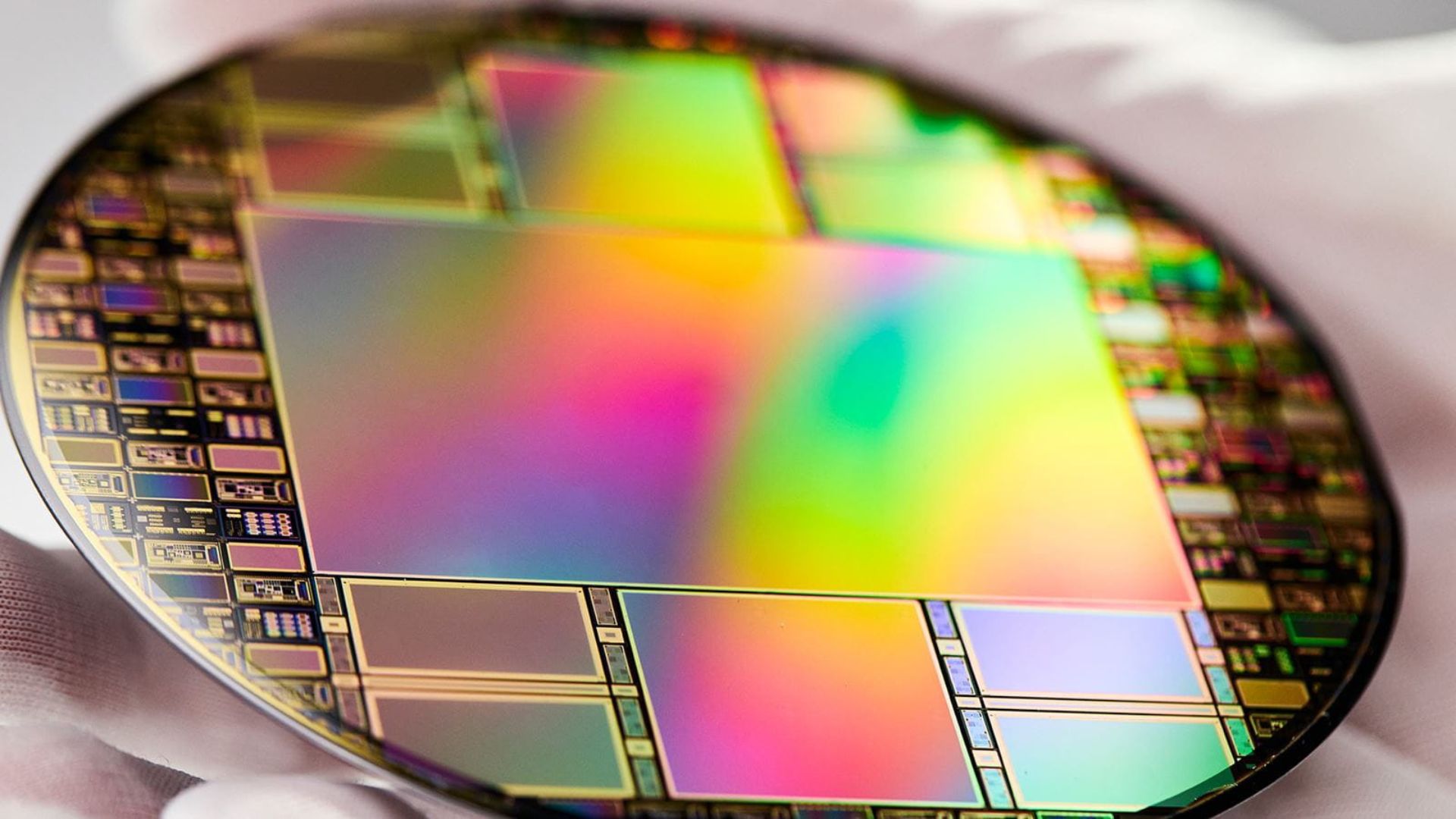
Raytheon is developing a new type of processor that could help US military systems recognize incoming threats faster. The technology uses light to handle data processing, potentially removing a major bottleneck in today’s electronic systems. The defense contractor secured a Phase 1 award from the Defense Advanced Research Projects Agency (DARPA) for its work. The effort falls under DARPA’s Photonic Integrated Circuit Architectures for Scalable System Objectives (PICASSO) program. Its goal is to advance photonic circuits capable of processing information entirely through optical signals. Processing data with light Most photonic circuits still rely on conventional electronics for important computing tasks. They first convert incoming optical signals into electrical signals before processing the information. That extra step can introduce delays and add complexity to increasingly sophisticated systems. Raytheon’s proposed architecture aims to eliminate that conversion requirement. It will keep signal processing within the optical domain, using light throughout the operation. This approach could help preserve signal strength and information quality during processing. The distinction matters as military platforms collect increasingly large volumes of sensor data. Radar systems, electronic warfare equipment, and other defense sensors must interpret information quickly. Even small processing delays can affect how operators respond to rapidly developing threats. All-optical processing could eventually help military systems handle those demands with greater speed. It may also support more compact circuit designs as engineers increase processing capabilities. However, Raytheon’s Phase 1 effort will focus on developing and demonstrating the underlying technology. DARPA backs photonic development Raytheon’s Advanced Technology division will lead the development work. The team brings experience in photonics manufacturing processes and radio frequency engineering. It also has experience developing technologies for military applications. Commercial engineering software provider Synopsys will support the effort. The company will supply design and simulation tools for developing the photonic architecture. Those tools should help engineers model circuit behavior before moving toward physical demonstrations. DARPA’s PICASSO program targets photonic integrated circuit architectures that can scale across different applications. Integrated photonics uses light to transmit and manipulate information within compact circuits. The technology already supports applications in telecommunications and high-speed data transmission. Military applications introduce additional engineering challenges. Defense systems must operate reliably under demanding conditions. Their processing hardware must also accommodate increasingly complex signals without compromising performance. Faster decisions in contested environments The potential military applications extend beyond simply speeding up individual calculations. Faster optical processing could help sensors deliver useful information to operators sooner. That could improve reaction times during engagements involving multiple incoming threats. Electronic warfare presents another possible application. Military platforms must identify and interpret signals in increasingly crowded electromagnetic environments. Processing information faster could help crews recognize changing threats and adjust their responses. However, the technology remains under development. Raytheon has not disclosed a deployment timeline or specific performance targets for the system. The Phase 1 award represents an early step toward demonstrating its capabilities.If successful, the work could offer defense engineers another way to overcome processing limitations. It could also help future military platforms manage growing sensor workloads without relying entirely on conventional electronic architectures.Get the latest in engineering, tech, space & science - delivered daily to your inbox.Aamir is a seasoned tech journalist with experience at Exhibit Magazine, Republic World, and PR Newswire. With a deep love for all things tech and science, he has spent years decoding the latest innovations and exploring how they shape industries, lifestyles, and the future of humanity.
US military could get battlefield speed edge from Raytheon’s new optical processor
Full Article
Original Source
Read the full article at Interestingengineering →KhanList aggregates and links to publicly available news content. We do not host full articles from third-party sources. Always verify important information with original sources.