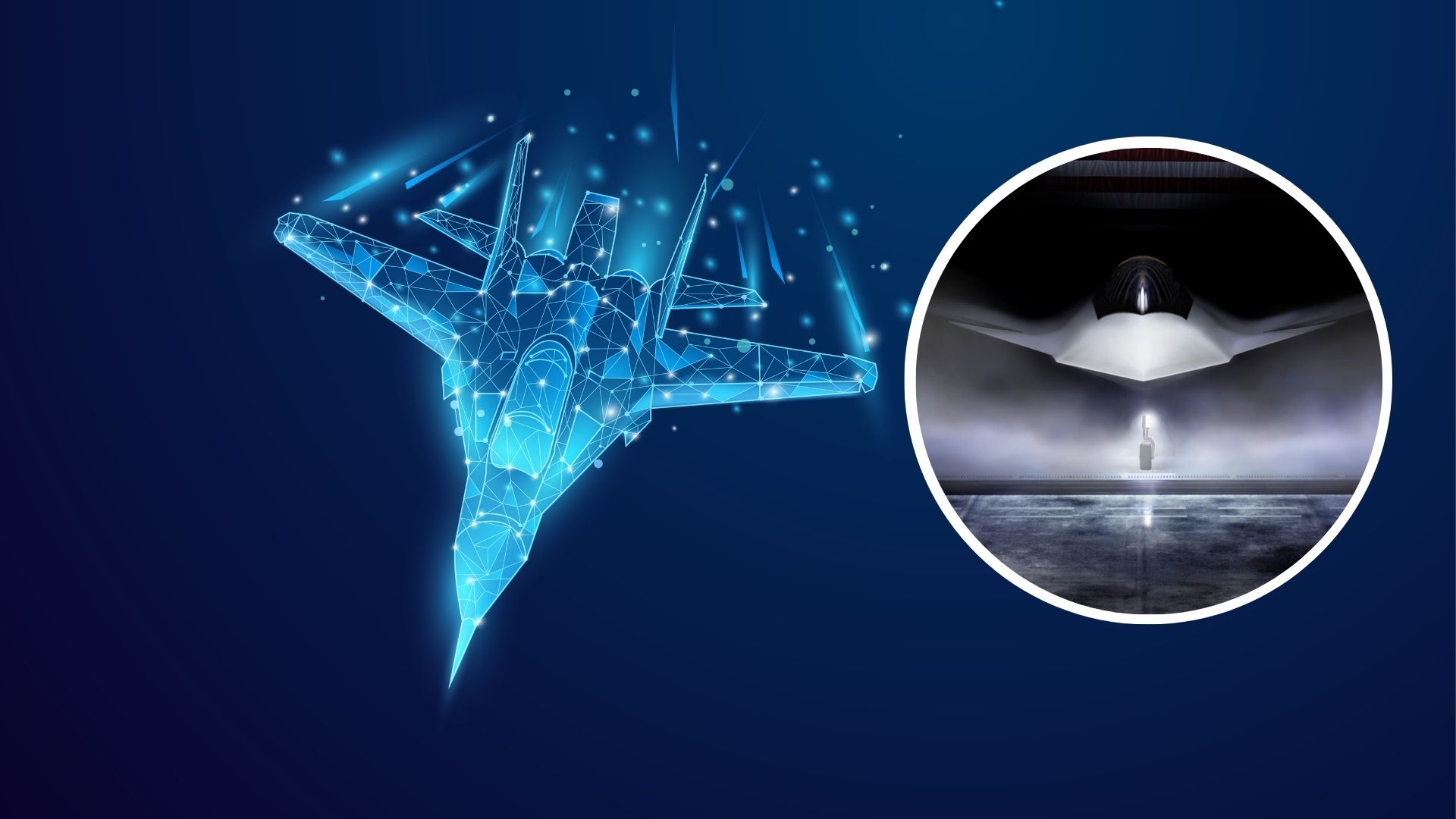
The upcoming flight-test campaign will evaluate the fighter’s aerodynamic performance, stealth characteristics, software reliability, weapons integration, and overall mission capability before full-scale production begins.Future air warfare is expected to be far more complex than today’s conflicts. Adversaries are investing heavily in long-range missiles, integrated air-defense systems, electronic warfare, cyber capabilities, and next-generation fighter aircraft. To maintain an operational advantage, the U.S. Air Force believes it requires an aircraft capable of surviving and fighting in highly contested environments.The F-47 is expected to address these challenges through a combination of low observability, long-range performance, powerful onboard sensors, and advanced data processing. Artificial intelligence is also anticipated to assist pilots by rapidly analyzing battlefield information, prioritizing threats, and coordinating missions with unmanned aircraft.One of the defining features of the F-47 concept is its ability to operate alongside Collaborative Combat Aircraft (CCA)—autonomous drones designed to fly with crewed fighters.These drones could perform tasks such as reconnaissance, electronic warfare, decoy operations, or missile strikes while remaining under the supervision of the F-47 pilot. This “manned-unmanned teaming” concept is expected to reduce operational risk and expand combat capability without placing additional pilots in danger.Officials have revealed that the F-47 program has entered its engineering and manufacturing development phase with unprecedented maturity. “The F-47 will fly in this administration,” said Gen. Dale White, director of Critical Major Weapon Systems.Military planners have increasingly focused on the Indo-Pacific region, where vast distances present major operational challenges. The F-47 is expected to have greater range than current U.S. fighters, allowing it to operate farther from friendly bases while carrying sufficient fuel and advanced weapons.Although official specifications remain classified, analysts believe improved endurance and fuel efficiency will be among the aircraft’s key advantages.Most technical details surrounding the F-47 remain confidential. Neither Boeing nor the U.S. Air Force has publicly disclosed the aircraft’s maximum speed, combat radius, radar systems, engine configuration, or weapons payload.This level of secrecy reflects the strategic importance of the program, which is intended to preserve the United States’ technological advantage in air combat.For Boeing, the F-47 represents one of the company’s most important military aviation projects in decades. Successfully delivering the aircraft would strengthen its position in the defence sector and reinforce its role as a leading supplier of advanced combat aircraft for the U.S. military.The program is also expected to support thousands of highly skilled jobs across Boeing’s manufacturing facilities and supply chain.The immediate focus is completing the prototype aircraft and beginning flight testing in 2028. Engineers will spend several years validating every aspect of the design before the fighter enters operational service.
US’ first sixth-gen fighter jet to fly in 2028, prototype development underway
Full Article
Original Source
Read the full article at Interestingengineering →KhanList aggregates and links to publicly available news content. We do not host full articles from third-party sources. Always verify important information with original sources.