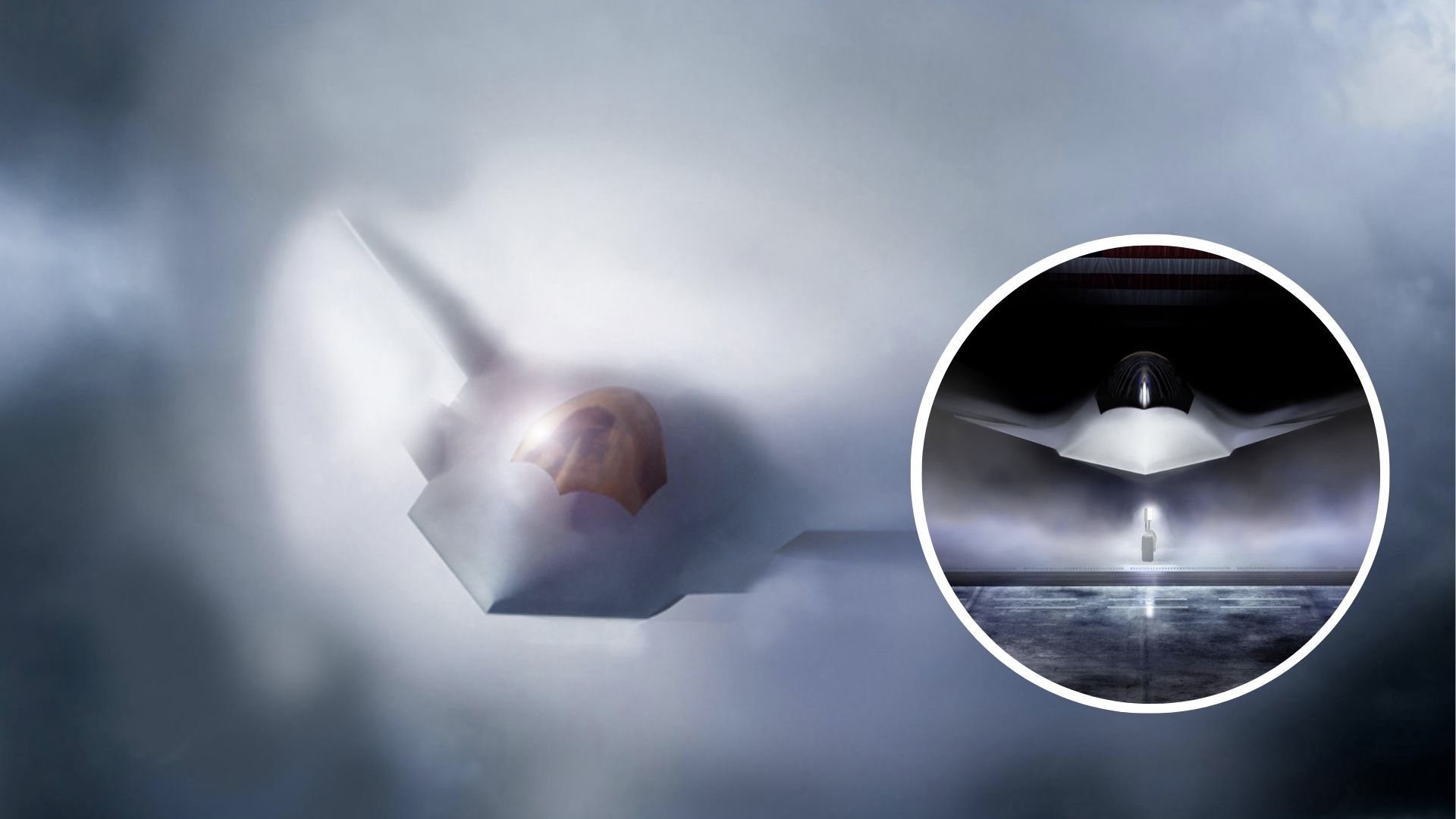
The engines being developed under the Next Generation Adaptive Propulsion (NGAP) effort are expected to represent a significant advance over today's military turbofans.US Air ForceThe U.S. Air Force’s upcoming F-47 fighter is expected to become the centerpiece of its Next Generation Air Dominance (NGAD) program, bringing together stealth, advanced sensors, artificial intelligence, and long-range operational capability. Yet one important question continues to attract attention: will the aircraft’s most advanced engine be ready when the fighter itself enters service?Developing a modern combat aircraft involves multiple technologies advancing simultaneously. While the airframe, avionics, software, and mission systems may reach production on schedule, propulsion systems often require additional testing before they are considered ready for operational use. This creates the possibility that the earliest F-47 aircraft could fly with an interim engine before transitioning to the propulsion system originally envisioned for the program. Next Generation Adaptive Propulsion effort The engines being developed under the Next Generation Adaptive Propulsion (NGAP) effort are expected to represent a significant advance over today’s military turbofans. Adaptive-cycle technology is designed to alter airflow inside the engine depending on flight conditions. During high-performance operations, it can maximize thrust, while during cruise it can prioritize fuel efficiency. This flexibility could substantially increase the aircraft’s combat radius and reduce fuel consumption during long-range missions.Beyond producing thrust, future fighter engines must also support growing electrical and thermal demands. Sixth-generation aircraft are expected to carry sophisticated radar systems, electronic warfare equipment, high-capacity computing hardware, and potentially even directed-energy weapons. All of these systems require substantial electrical power and effective cooling, making engine performance critical to the aircraft’s overall capability.If adaptive engines are not available when the F-47 is ready for production, the Air Force could choose a phased approach. An existing engine, or an upgraded derivative of one already in service, could power the first production aircraft. Although such an engine might not deliver every performance advantage expected from the NGAP design, it could still provide the speed, reliability, and operational capability required for initial deployment.Military aviation has followed this strategy before. Several fighter programs have entered service with engines that were later upgraded as technology matured. This approach allows aircraft to become operational sooner while reducing development risk and giving engineers more time to refine advanced propulsion systems.John Sneden, the Portfolio Acquisition Executive in charge of the Propulsion Directorate at the Air Force Life Cycle Management Center (AFLCMC), recently shared new details about the NGAP effort. Sneden provided the update on the next-generation engine program at the Life Cycle Industry Days conference in Dayton, Ohio, which opened yesterday. Dayton is home to Wright-Patterson Air Force Base, which is where the AFLCMC is headquartered. Adaptive engine could be integrated into later production batches Introducing the F-47 in stages would also simplify testing. Engineers could validate the aircraft’s stealth characteristics, flight controls, sensors, and mission software independently of a completely new propulsion system. Once the adaptive engine completes development, it could be integrated into later production batches or retrofitted into earlier aircraft where practical.The decision ultimately comes down to balancing capability with schedule. Delaying the aircraft until every new technology is perfected could postpone the Air Force’s modernization plans by several years. Conversely, fielding the fighter with a proven interim engine would allow operational experience to accumulate while more advanced propulsion technology completes its development.Regardless of the engine used initially, the F-47 is expected to be significantly more capable than previous generations of fighters in terms of survivability, networking, sensor fusion, and long-range operations. The introduction of adaptive engines in later production blocks would further enhance these strengths by extending range, improving fuel efficiency, increasing available electrical power, and supporting future mission systems.As with many advanced military programs, the F-47 is likely to evolve throughout its service life. Rather than being defined by a single configuration, it may receive continuous improvements in propulsion, software, sensors, and weapons, ensuring that the aircraft remains effective against emerging threats for decades to come.Recommended ArticlesGet the latest in engineering, tech, space & science - delivered daily to your inbox.Prabhat, an alumnus of the Indian Institute of Mass Communication, is a tech and defense journalist. While he enjoys writing on modern weapons and emerging tech, he has also reported on global politics and business. He has been previously associated with well-known media houses, including the International Business Times (Singapore Edition) and ANI.
US’ first sixth-gen fighter jet could fly with less powerful engine, claims report
Full Article
Original Source
Read the full article at Interestingengineering →KhanList aggregates and links to publicly available news content. We do not host full articles from third-party sources. Always verify important information with original sources.