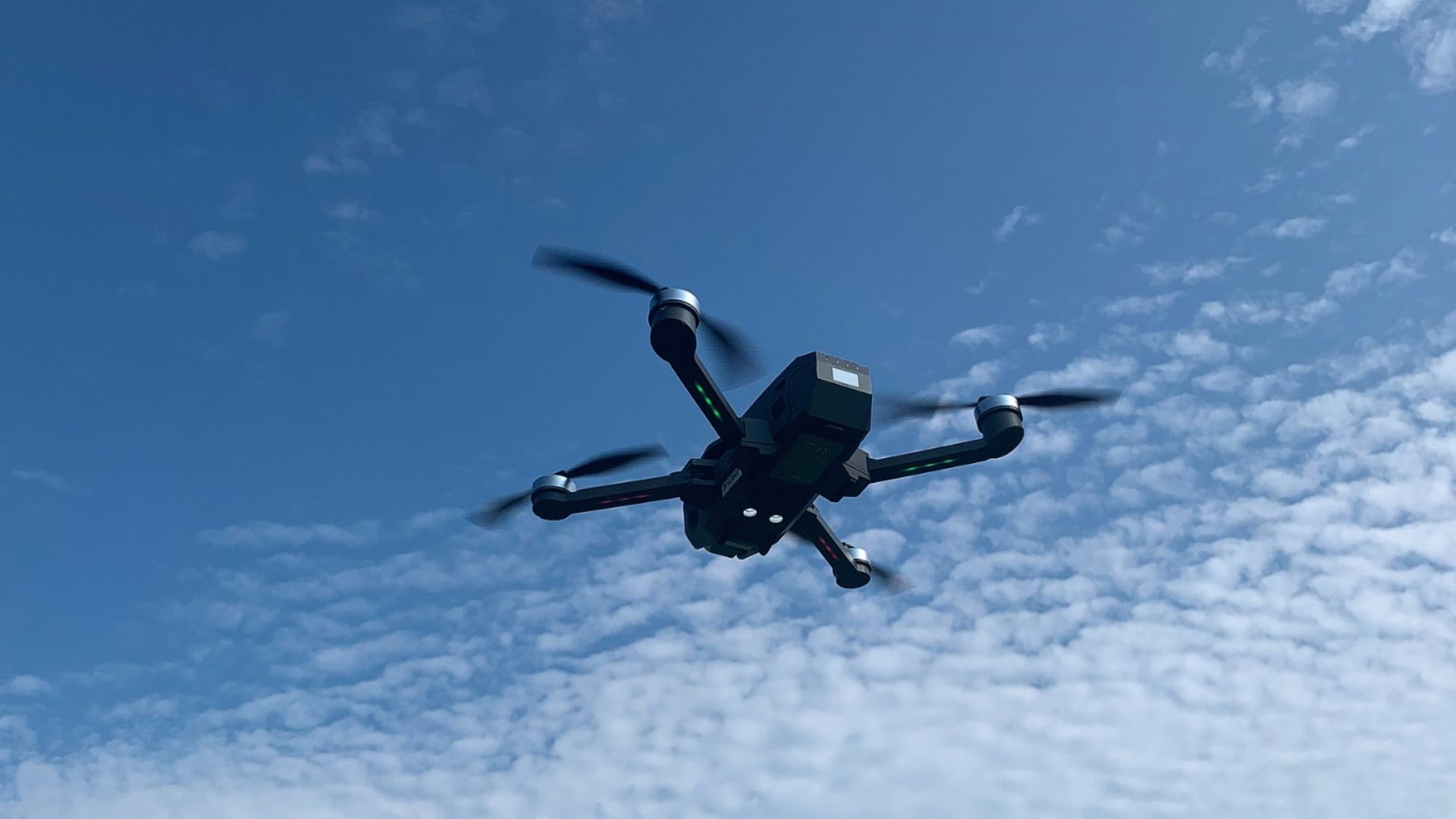
Firestorm Labs has manufactured more than 1,000 components and assembled 12 Squall first-person-view drones aboard the USS Essex, demonstrating how military hardware could be produced during maritime operations. The two-week trial took place while the US Navy warship sailed from San Diego to Hawaii for RIMPAC 2026. Using its containerized xCell manufacturing platform, the US defense technology company produced drone components and repair parts despite waves reaching 12 feet. The deployment, organized through the Naval Postgraduate School CAMRE network and facilitated by FLEETWERX, aimed to reduce dependence on shore-based resupply while supporting repairs and combat readiness at sea. Manufacturing through rough seas on a warship The deployment was xCell’s first maritime demonstration under operational conditions. Instead of waiting for parts to be transported by aircraft, ship, or convoy, crews could manufacture equipment close to where it was required while remaining on station. Firestorm tested printer performance aboard the moving warship and produced three main categories of hardware: mechanical test pieces, components for Squall drones, and repair items requested by the crew. Operations continued in conditions reaching sea state 5, demonstrating production amid significant vessel movement. More than 20 crew-requested items were also manufactured. These included deck tie-down inspection gauges, reverse-engineered valve handwheels, electrical covers, cable hardware, door components, a Starlink deployment mount, and a nonconductive digging knife for explosive ordnance disposal teams. Protecting aircraft and supporting sailors One notable component was an Apache rotor guard droop stop designed during the first Army-Navy Apache operations conducted at sea. The device reduced the risk of the helicopter’s rotor striking the deck as the vessel moved through unusually heavy seas off Southern California. Firestorm said an Apache main rotor costs approximately $500,000, while damage from a blade striking the deck could cost $230,000 for each of its four blades. Manufacturing the protective component aboard the ship helped enable operations with the helicopter’s rotors mounted. The team also converted a sailor’s idea into a vacuum adapter for inflatable Life Preserving Units. Because no suitable connector was known to exist, Firestorm designed three versions for different vacuums and operating requirements. Drones move from ship to exercise Firestorm assembled 12 Squall FPV drones during the voyage and later flew them at RIMPAC in Hawaii. Soldiers, sailors, and Marines received training in additive manufacturing, drone assembly, and flight operations. Marines from the 3rd Light Armored Reconnaissance Battalion subsequently operated the drones as adversary aircraft during a three-day counter-UAS exercise at Makua Military Reservation on Oahu. The flights supported experimentation conducted for CAMRE during the multinational exercise. “The Indo-Pacific logistics problem is real, and most of the answers on offer live in a pitch deck,” said Dan Magy, CEO of Firestorm. “We printed flight-ready aircraft and the parts a crew actually needed, in the conditions they’d actually face. That’s what manufacturing at the edge looks like when it works,” he added. The demonstration indicates that deployable additive manufacturing could shorten repair timelines, keep vessels operational for longer, and allow US forces and allied partners to regenerate expendable drone capacity across contested maritime regions.Recommended ArticlesGet the latest in engineering, tech, space & science - delivered daily to your inbox.Atharva is a full-time content writer with a post-graduate degree in media & amp; entertainment and a graduate degree in electronics & telecommunications. He has written in the sports and technology domains respectively. In his leisure time, Atharva loves learning about digital marketing and watching soccer matches. His main goal behind joining Interesting Engineering is to learn more about how the recent technological advancements are helping human beings on both societal and individual levels in their daily lives.
US firm 3D-prints 1,000 parts, 12 drones aboard moving warship to overcome supply challenges
Full Article
Original Source
Read the full article at Interestingengineering →KhanList aggregates and links to publicly available news content. We do not host full articles from third-party sources. Always verify important information with original sources.