
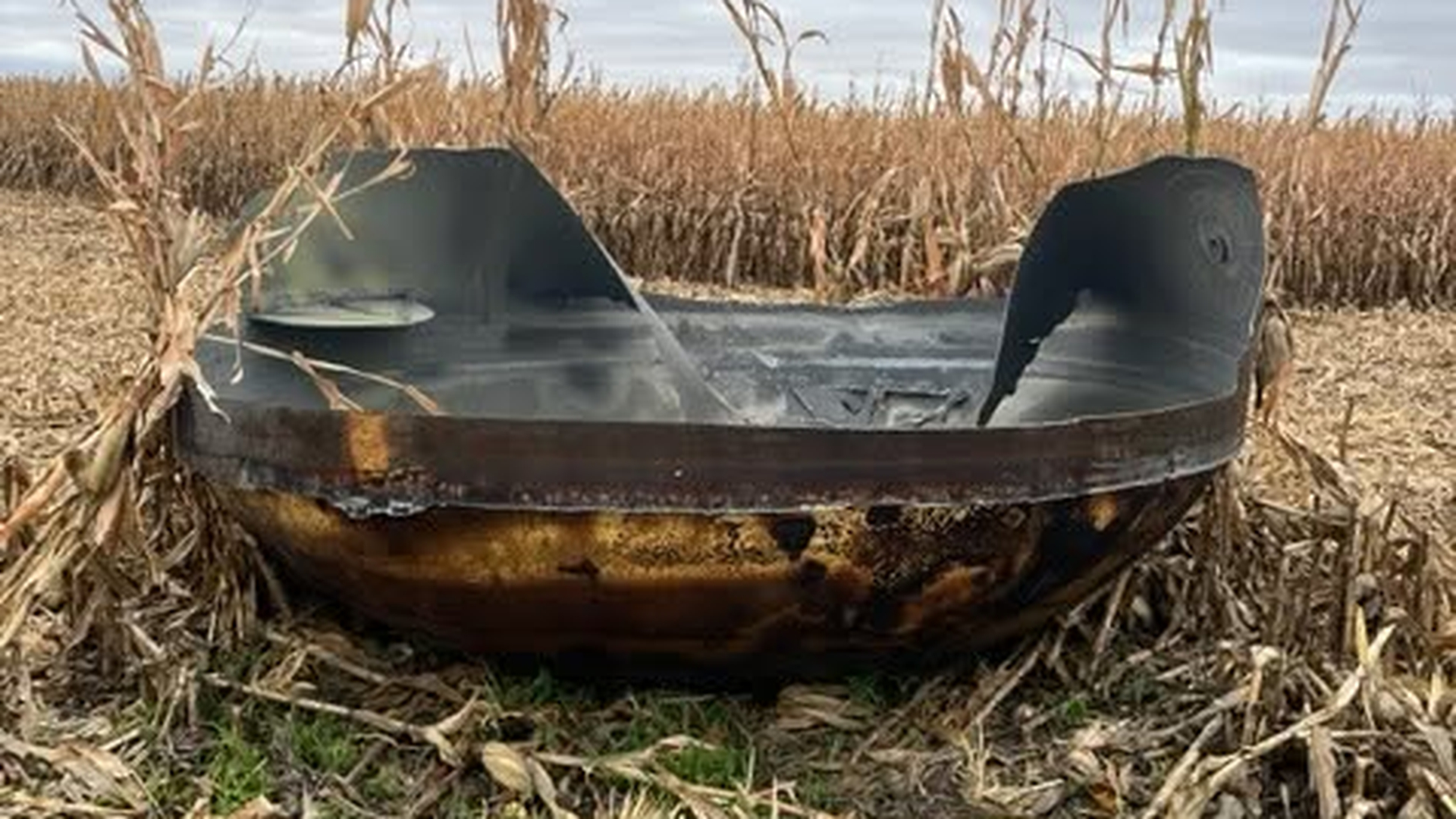
A farmer harvesting corn in west-central Minnesota discovered a scorched metal dome on October 14 that space observers suspect came from a Chinese rocket. Measuring about 11 feet, the object has raised questions about how the rocket returned to Earth. The bowl-shaped debris appears to be the end cap of a fuel tank and matches the diameter of LandSpace’s Zhuque-2E rocket, which launched on September 15. Its origin has not been confirmed, and LandSpace did not respond to a request for comment. British astronomer Jonathan McDowell, who has tracked launches for more than 30 years, believes the discovery points to a problem with the rocket’s descent. It could also open a diplomatic channel for compensation if the debris damaged the farmer’s property. A successful launch, followed by questions The Beijing-based company declared the September mission a success after the rocket deployed 10 satellites for the Qianfan internet network, a project similar to SpaceX‘s Starlink. The rocket subsequently restarted its engine as it began its return. Residents in Kansas and Minnesota posted videos of fiery debris crossing the sky shortly after the launch. McDowell suspects the engine fired slightly harder or longer than intended. Rather than entering a lower orbit and remaining there for several days before re-entry, the rocket stage may have descended immediately. That explanation remains his assessment, rather than a confirmed account of the mission. “It seems very unlikely that they would have targeted America,” he said. Why the dome may have survived An object this large surviving reentry is not necessarily unusual. Large, thin components, including fuel-tank end caps, can slow rapidly high in the atmosphere before heating enough to burn away. A previous example occurred in 1997, when a 250-kilogram steel fuel tank from a US Delta II rocket landed nearly intact in Texas. Rocket operators generally aim controlled reentries toward remote ocean areas to reduce the likelihood that surviving fragments will reach populated land. The Minnesota discovery also follows trouble on Zhuque-2E‘s previous flight in June, when its upper stage reportedly broke apart in orbit, creating dozens of fragments. “Restarting rocket engines in orbit is always hard,” said McDowell. “But it’s been done for a long time, and it’s meant to be a solved problem. Clearly, they’ve got some wrinkles to iron out,” he added. A possible claim between governments Stevens County Sheriff Jason Dingman said he could not yet answer questions about the object, including its location, but expected further details to be released. If investigators establish its origin and identify property damage, the case could involve both Washington and Beijing. McDowell said the 1972 UN Space Liability Convention places responsibility for damage on the launching country. The farmer would therefore seek help from the US government, which could present a claim to China. No confirmed damage claim was described in the report, and identifying the object remains essential before assigning responsibility. For McDowell, the broader concern is repeated exposure to falling hardware as launches increase.Get the latest in engineering, tech, space & science - delivered daily to your inbox.Atharva is a full-time content writer with a post-graduate degree in media & amp; entertainment and a graduate degree in electronics & telecommunications. He has written in the sports and technology domains respectively. In his leisure time, Atharva loves learning about digital marketing and watching soccer matches. His main goal behind joining Interesting Engineering is to learn more about how the recent technological advancements are helping human beings on both societal and individual levels in their daily lives.
US farmer finds 11-foot suspected Chinese rocket debris, raising safety concerns
Full Article
Original Source
Read the full article at Interestingengineering →KhanList aggregates and links to publicly available news content. We do not host full articles from third-party sources. Always verify important information with original sources.