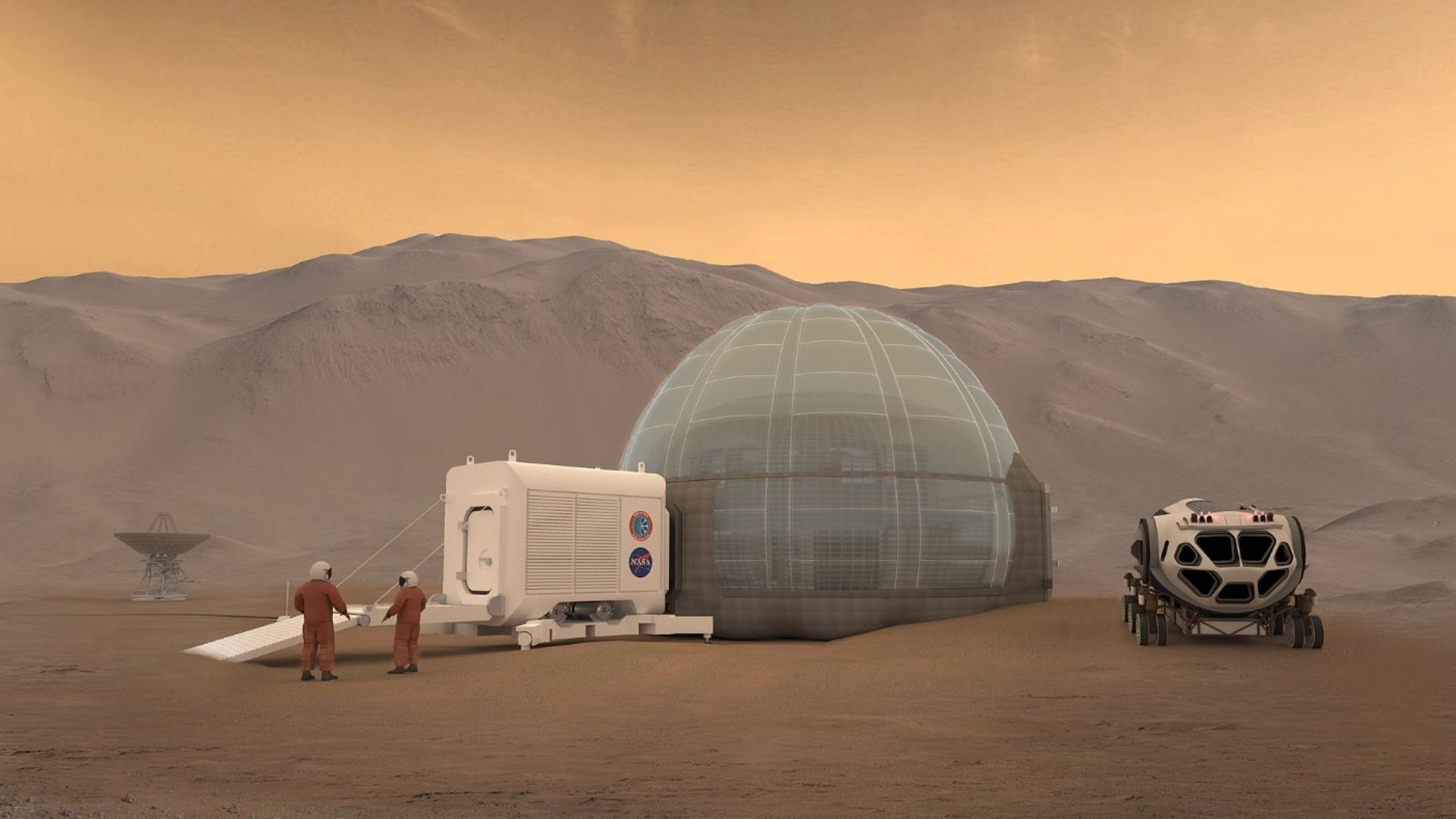
Engineers at MIT and other US institutions have developed an interactive platform that shows how the design of space habitats could influence astronauts’ mental, emotional, and social wellbeing. The NASA-supported resource is intended to help designers create healthier living environments for long-duration missions to the Moon and Mars. The Human-Environment Connection and Interaction Atlas (HECIA) connects habitat features such as lighting, privacy, layout, and reconfigurability with outcomes including stress, fatigue, anxiety, homesickness, and crew cohesion. Its findings could also guide the design of submarines, polar bases, oil rigs, refugee camps, and other isolated environments. The researchers built the atlas after reviewing scientific literature and interviewing experts from NASA, academia, and industry. Their work identified 14 emotions or experiences that could be affected by the design of an extreme habitat, including anxiety, autonomy, nostalgia, curiosity, fatigue, and kinship. “The awareness has been there for some time that living in space is difficult,” said Mich Lin, an MIT PhD candidate and the study’s lead author. “We’ve come a long way from the human in a tin can. As our priorities shift toward long-duration exploration missions, making sure a crew is safe, healthy, happy, and productive becomes even more important,” she added. Previous studies have examined individual relationships, such as the effects of lighting on sleep and circadian rhythms or the influence of layout on privacy and social interaction. According to the team, however, these connections had not previously been assembled into a single visual system. “The connection between habitat and behavioral health has not been made in this format before,” Lin emphasized. “So we made those connections for the first time.” NASA-inspired risk mapping HECIA uses a format inspired by NASA’s directed acyclic graphs, or DAGs. The agency uses these web-like diagrams to connect mission constraints, such as distance from Earth, with risks to sleep, cardiovascular health, and cognitive performance. The new atlas applies the same approach to behavioral health. Designers can select a mission constraint or habitat feature and follow its potential effects on resources, relationships, and emotions. For example, selecting “distance from Earth” reveals possible limits involving food, medical care, and contact with family and friends. These limitations can contribute to nostalgia and homesickness during a long mission. “By mapping risks, we can identify points of intervention to characterize and mitigate them,” Lin explained. “NASA uses DAGs as a countermeasure to the risky business that is human spaceflight,” she continued. Designing habitats where crews can thrive Designers can also work backward from a desired outcome. Selecting homesickness, for example, highlights place attachment, privacy, and reconfigurability as factors that may help astronauts develop a stronger emotional connection with their surroundings. The platform provides research-based summaries and possible interventions for every listed term. Connecting public and private areas through shared entrances, paths, or stairs could encourage spontaneous interaction and strengthen cohesion among crew members. The team cautions that HECIA does not prescribe one universal habitat design. Instead, it helps engineers uncover behavioral consequences that may be overlooked when technical constraints dominate early planning. “As we envision truly becoming an off-planet species, or creating places we want to live in space, there is so much potential for us to reimagine habitats that make us happy and productive,” Lin said. The findings were presented in the journal npj Microgravity. Get the latest in engineering, tech, space & science - delivered daily to your inbox.Atharva is a full-time content writer with a post-graduate degree in media & amp; entertainment and a graduate degree in electronics & telecommunications. He has written in the sports and technology domains respectively. In his leisure time, Atharva loves learning about digital marketing and watching soccer matches. His main goal behind joining Interesting Engineering is to learn more about how the recent technological advancements are helping human beings on both societal and individual levels in their daily lives.
US engineers map 14 emotions to design healthier space habitats
Full Article
Original Source
Read the full article at Interestingengineering →KhanList aggregates and links to publicly available news content. We do not host full articles from third-party sources. Always verify important information with original sources.