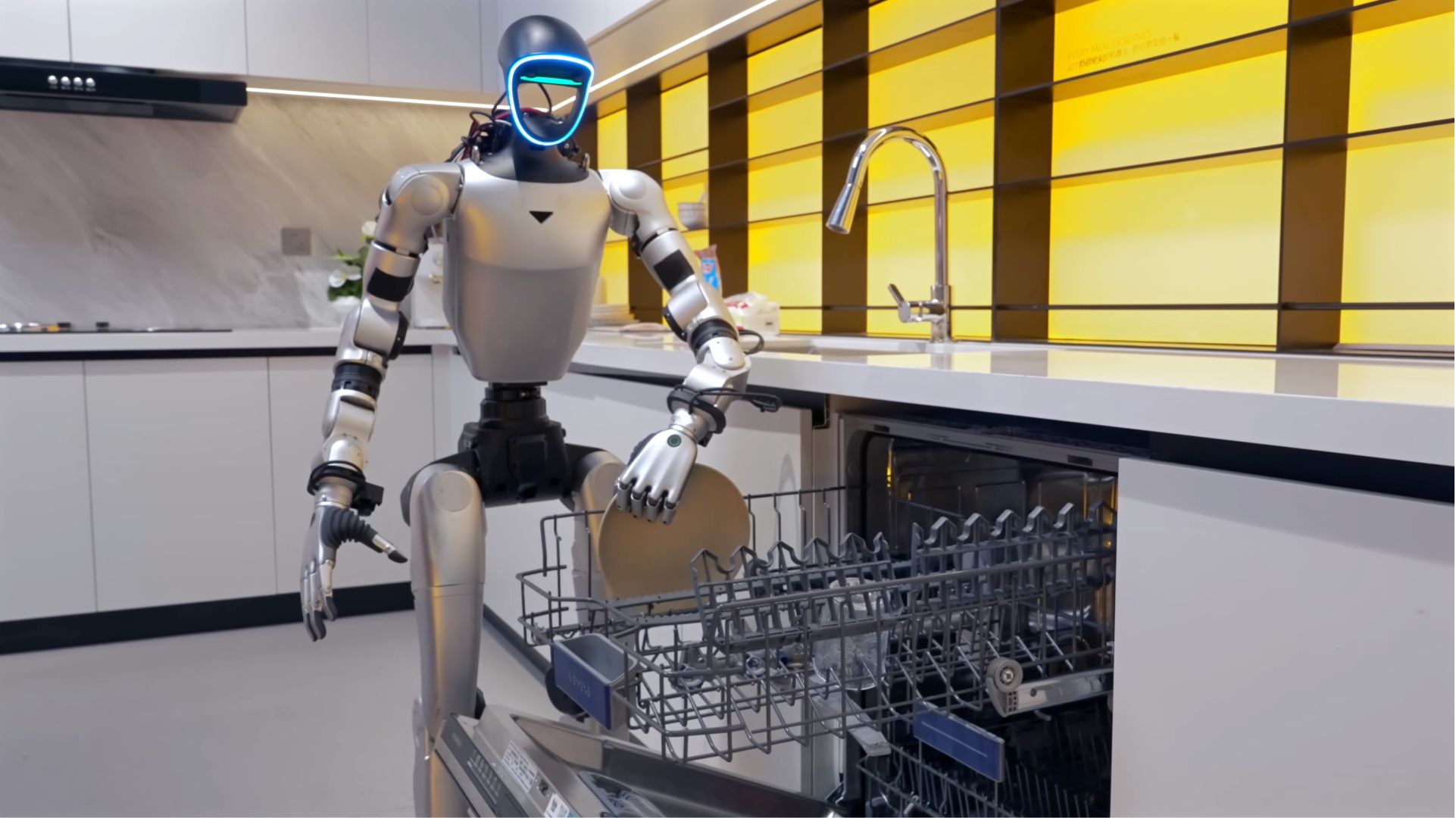
FCC also banned connected power inverters used in renewable energy, batteries, and data centers.Unitree Robotics/YouTube US has announced a ban on new foreign-made humanoid robots entering the country, citing national security concerns amid intensifying competition with China in robotics and artificial intelligence. The restrictions, unveiled on July 28, apply to advanced humanoid and four-legged robots, many of which are manufactured by Chinese companies. The Federal Communications Commission (FCC) also prohibited imports of power inverters used in data centers and solar energy systems, warning they could pose risks to critical infrastructure and the broader economy. China condemned the move, accusing Washington of politicizing trade and imposing sanctions on what it called “groundless pretexts.” Recently, United Airlines and Delta Air Lines have joined a growing list of US carriers banning humanoid robots on commercial flights over safety and operational concerns. Robot security crackdown The Trump administration’s sweeping ban on new foreign-made advanced robotic devices entering the United States marks one of the most significant regulatory moves yet in the emerging humanoid robotics industry. The decision adds advanced robotic devices, including humanoid and four-legged robots, to the FCC’s Covered List of equipment considered too risky for authorization in the US market. The agency also added connected power inverters used in solar installations, battery storage systems, and data centers, reports the British Broadcasting Corporation (BBC). The FCC said the measures are intended to protect critical supply chains and reduce national security risks associated with foreign-made connected technologies. The restrictions apply only to newly imported devices that require FCC authorization and do not affect products that were already approved before the order. According to the FCC, foreign-made power inverters could potentially be exploited to disrupt electricity systems, steal data, enable remote access, or facilitate cyberattacks. It also warned that advanced robots equipped with cameras, sensors, and network connectivity could be used for surveillance, intelligence gathering, or remote control by hostile foreign actors. “The FCC has now added two new categories of devices to our Covered List, which bans new versions from import or sale in America – Advanced robotic devices, such as humanoids and quadrupeds produced in foreign countries. Power inverters produced in foreign countries,” said Brendan Carr, Chairman of FCC, in a post on X. Robot market shakeup The restrictions are expected to reshape the global humanoid robot market, where Chinese manufacturers currently hold a commanding lead. Industry data indicates that six of the world’s 10 largest humanoid robot companies are based in China, accounting for roughly 87 percent of global shipments. Leading vendors include Agibot, Unitree, UBTech, Leju Robotics, Engine AI, and Fourier Intelligence, all of which have established an early advantage in commercial deployments. By requiring new foreign-made robots to obtain FCC equipment authorization before they can be imported, marketed, or sold in the United States, the order effectively closes the US market to most next-generation Chinese humanoid robots. Existing models that were authorized before the ruling can continue to be sold, imported, and used, making the measure a forward-looking restriction rather than a recall. However, because robotics technology is advancing rapidly, limiting companies to older, approved models could significantly erode their competitiveness in the US market, Forbes reports. The move is expected to create a more protected environment for American robotics companies, many of which are preparing to scale production. Firms including Figure AI, Agility Robotics, Apptronik, and 1X are developing commercial humanoid robots, while dozens of other U.S. startups are working on robotic platforms and key components backed by substantial investment. Supporters argue the restrictions could strengthen domestic manufacturing and reduce dependence on foreign technology, although reduced competition may also lessen the pressure to innovate. China condemned the decision, accusing the US of politicizing trade and technology while warning it would take necessary measures to safeguard its interests. Beijing also called for greater international cooperation in artificial intelligence rather than expanding technology restrictions. Recommended ArticlesGet the latest in engineering, tech, space & science - delivered daily to your inbox.Jijo is an automotive and business journalist based in India. Armed with a BA in History (Honors) from St. Stephen's College, Delhi University, and a PG diploma in Journalism from the Indian Institute of Mass Communication, Delhi, he has worked for news agencies, national newspapers, and automotive magazines. In his spare time, he likes to go off-roading, engage in political discourse, travel, and teach languages.
US: Donald Trump administration bans new humanoid robot imports from China
Full Article
Original Source
Read the full article at Interestingengineering →KhanList aggregates and links to publicly available news content. We do not host full articles from third-party sources. Always verify important information with original sources.